
It was a polar-opposite week in the Legislature. While the Senate Finance Committee was reviewing honest numbers about real budget needs hitting up against the limit of available state revenues, the House was debating whether the exalted Permanent Fund dividend belongs in the Alaska Constitution, putting the PFD above all else in life.
The Senate committee on Feb. 29 was doing the math, realizing the state would not have enough money for a fat dividend this year, no matter what the governor and too many legislators may pledge, promise and promote.
The senators listened as the Legislature’s fiscal analysts counted all of the expenses the governor left out of his proposed budget — on purpose, I suspect, to make the budget look smaller. Gov. Mike Dunleavy is not the first elected leader to play that game, though he is perfecting the tactic of blaming legislators for overspending.
The legislative budget analysts went through the big items not fully addressed in the governor’s budget and which lawmakers are considering adding to the spending plan. We’re not talking wishful local projects or unrealistic state dreams like a North Slope natural gas pipeline; the Senate committee counted down the cost of important public services missing from the governor’s budget.
Those include adequate state funding for school district operating costs, addressing school building construction and maintenance needs around Alaska, deferred maintenance expenses at the University of Alaska, covering a potential revenue shortfall for the state ferry system, public employee contract negotiations, financial assistance for the state’s neediest senior citizens, transmission line upgrades to accommodate more wind and solar projects serving homes and businesses from Fairbanks to the Kenai Peninsula, disaster and forest fire expenses — you get it, real needs.
The intent of most lawmakers this session is to balance the budget without pulling money from the state’s reserve fund, the more than 30-year-old account intended to cover spending when oil prices are really low.
Oil prices are not low, and the state has enough money to meet its needs, just as long as the governor, legislators and the public can accept the laws of math: State revenues minus public services do not leave enough in the checkbook to pay an oversized dividend.
Yet, while the Senate Finance Committee was going over the numbers and realizing that this year’s PFD might be around $1,300, same as last year, or maybe even a little less, depending on other budget priorities, the House was debating whether voters should get a chance to add the PFD to the state constitution. And not an affordable dividend — some of the debate advocated for a payment two to three times last year’s payment.
It was a theoretical — or theatrical — debate in the House. Even if the chamber voted to put the constitutional amendment on the November statewide ballot, a majority of the Senate has no interest in such misleading and deceitful politics. It takes both bodies to advance the measure.
“There’s a little bit of a disconnect there,” Senate Finance Co-Chair Bert Stedman said of the House debate over enshrining a large dividend in the constitution.
The Sitka senator said he scheduled the committee presentation by legislative budget analysts so that his colleagues could see the math: “The financial obligations faced exceed the revenue.” And that’s even before lawmakers consider all of the requests flowing into their offices from communities across the state.
Until Alaska gets its lust for the dividend under control, it will be difficult for elected officials to focus more attention on what the state needs rather than what some people want in their own hands and which too many candidates are eager to promise.
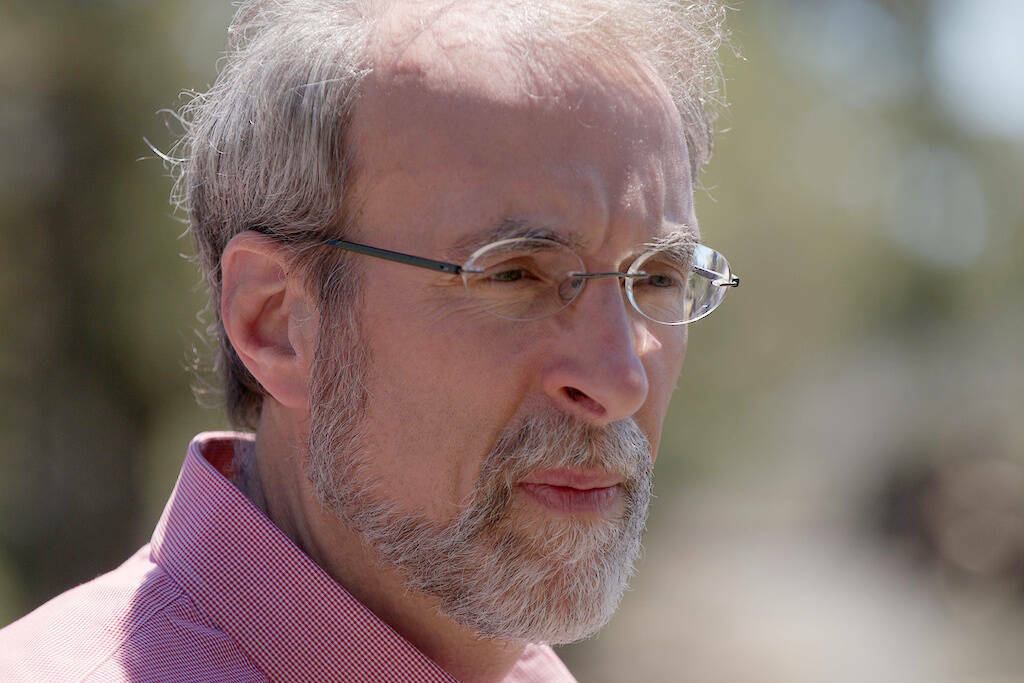
• Larry Persily is a longtime Alaska journalist, with breaks for federal, state and municipal public policy work in Alaska and Washington, D.C. He lives in Anchorage and is publisher of the Wrangell Sentinel weekly newspaper.
