
Antiquated or obsolete laws can be amusing; I recently learned that an obscure medieval law provides the right to drive sheep across London Bridge. Fortunately, no one is raising sheep in London anymore.
Other antiquated or obsolete laws are painful to the public. Generally, these laws stay in place because they benefit the few at the expense of the many. A complete absence of reflecting changes that have occurred in the real world is a common trait of such ineffective regulation.
Unique situations where antiquated or obsolete laws end up becoming what they were intended to prevent exist today, again the public bears the cost. The cost is disproportionate to First Nation and other rural residents. The obsolete and antiquated law I speak of is the Jones Act.
How would the public benefit from reforming the Jones Act? Lower freight costs would be one immediate effect. Since I have lived in Alaska — 47 years — all politicians promise to do something about the high cost of living but rarely follow through with action, such as pushing for changes to this protectionist shipping law.
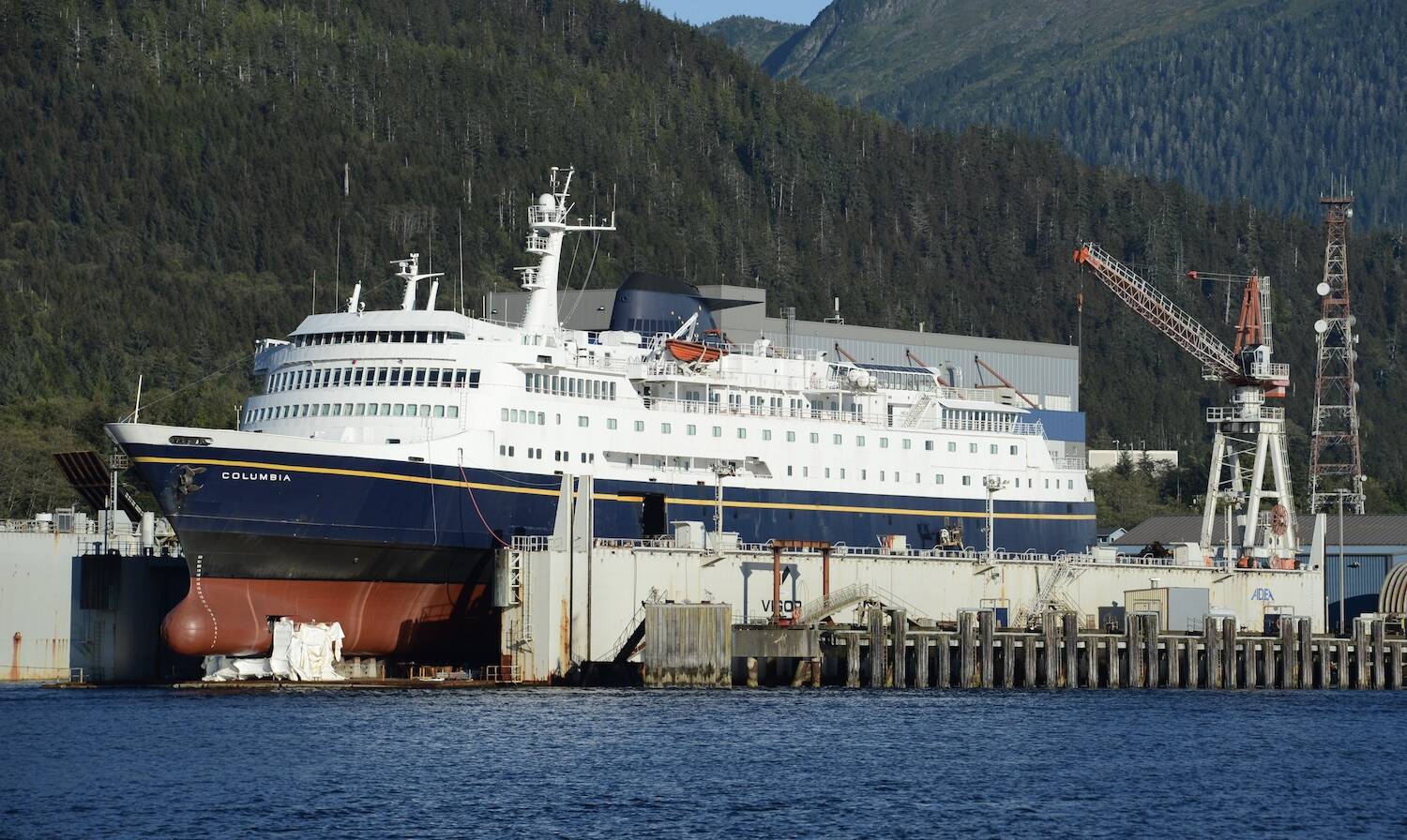
The Alaska Marine Highway System would also benefit by being able to replace vessels cheaper and faster, saving the state of Alaska hundreds of millions of dollars and improving service with modern vessels. Doing so will provide the system an opportunity to save itself and its responsibility to coastal communities that for some, will go another year without any service. The promise of good maritime employment with an increasing fleet of new vessels in Alaska waters will provide jobs that support families and communities. The shipyards will be more productive working on newer technology and materials. The fishing industry will also benefit from more competitive freight rates and the ability to modernize its fleet at dramatically lower cost. Southcentral Alaska will be able to export natural gas to U.S. sources.
Our elected officials generally support the Jones Act due to the support they receive from the maritime unions and shipping interests. That is how the system works. The maritime unions in concert with the shipping companies are obsessed with protecting a law that is hindering Alaska’s economy. Reform can work in their interest as well.
Allowing vessels to be purchased from more efficient and less costly international shipyards would mean there could be more vessels and union membership. Shipping firms have already had a 100-year head start and capital to invest in new technology and equipment. A growing, modernized fleet would be a win for the country’s national security. More of everything means the political world gets to bolster their resumes. In other words, win, win. Oh yes, the public would finally get their due.
Numerous shipyards around the world build ships better, faster and much cheaper than under the Jones Act. A number of these shipyards are located in countries that are military allies of the USA. A maritime career is more appealing, safer and productive with new technology and equipment. More vessels mean more shipyard demand for repair and maintenance services. Numerous industries would also benefit greatly.
Alaska is now combatting population and cost-of-living fluctuations that conflict with a bright future. The Jones Act modernization will save hundreds of millions of dollars each year for businesses and residents of Alaska. Our country will also benefit by billions of dollars by reducing the cost of transportation within our vast country. It would also have important environmental benefits by encouraging the use of more carbon-friendly maritime transport on newer and more efficient vessels. The installation of offshore wind farms would also become easier and less costly.
• Bradley Shaffer travels annually on the Alaska Marine Highway System between Sitka, Bellingham and Haines. He has worked as a certified public accountant for more than 20 years, in governmental and nonprofit auditing. He has been a resident of Sitka for 47 years. This article was originally published by the Alaska Beacon, an affiliate of States Newsroom, an independent, nonpartisan news organization focused on connecting Alaskans to their state government.
