
Those are the words of Department of Interior Secretary Jim Lyons and Undersecretary Sylvia Baca regarding so-called “landless” legislation in 1996. Bureau of Indian Affairs Director Michael Black responded similarly to the bill’s 2015 version.
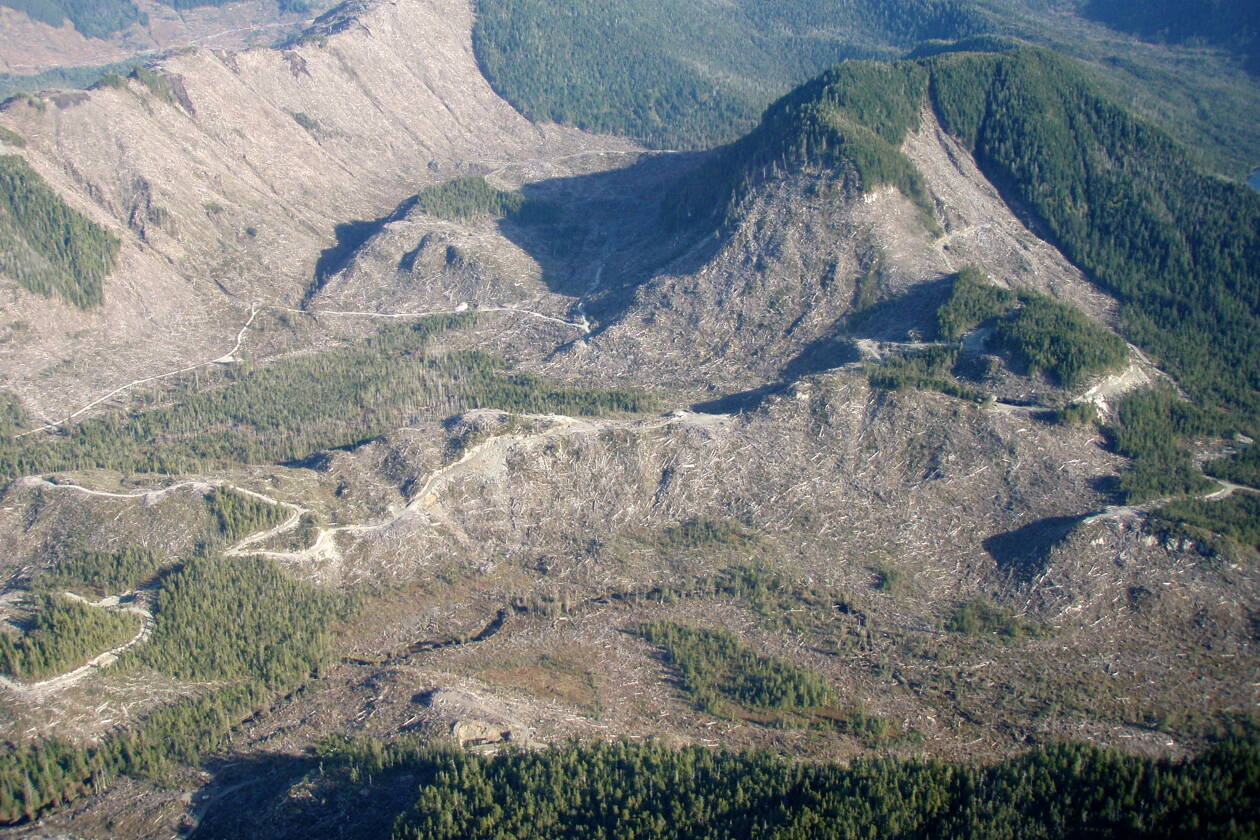
So-called landless bills to amend the 1971 Alaska Native Claims Settlement Act (ANCSA) have failed for decades. Similar to previous versions, the currently proposed S.1889 would privatize over 115,000 acres in 60 cherry-picked parcels of Tongass public land. That patchwork would be gifted to Natives from five Southeast communities for the purpose of forming urban corporations under ANCSA. The selections would displace existing public uses and transfer unquantified millions of dollars of taxpayer-funded infrastructure including roads, bridges, trails, and marine access facilities to the new corporations.
Lyons and Baca wrote, “There is no inequity in ANCSA to redress. Each of the five communities were considered for village status during the formulation of ANCSA and none met the general statutory criteria for eligibility.” That is, “having a majority Native population and not being modern or urban in character.” The ineligibility determination was informed, considered, and intentional — not inadvertent or an oversight as proponents allege.
But make no mistake, “ANCSA explicitly resolved equity and compensation for the five communities in Southeast Alaska – and other similarly ineligible communities in the rest of Alaska.” As the officials confirmed, “Natives in the five ‘landless’ communities are enrolled as ‘at-large’ shareholders in Sealaska Corp., have received fair and substantial equitable benefits of the original ANCSA settlement, and the dividends received by these at-large shareholders substantially exceed those paid by the regional corporations to village shareholders.” Clearly, compensation for 52 years already tips in favor of these “Urban/At-Large” Sealaska shareholders who seek the bill.
The officials further explained that Southeast Alaska natives received earlier cash settlements (before 1971) from the United States; their ineligibility determination survived prior lawsuits; and eligible Native enrollment in these communities varies widely, yet each corporation would receive equal acreage, raising the bar for additional claims of inequity.
The proposed legislation is another, in a long series of Senator Murkowski’s singular-minded public land raids for resource extraction. Immediately following passage of the 2014, 70,000-acre Sealaska bill she proclaimed:
“Some 43 years after passage of the Alaska Native Claims Settlement Act, the federal government will finally finish paying the debt we owe Natives for the settlement of their aboriginal land claims.”
Her assurance was short-lived. She has reintroduced a landless bill at least five times since then.
As requested by Congress, the University of Alaska’s Institute of Social and Economic Research (ISER) conducted a 1994 study of the five communities’ status. It reached no conclusion and left it to Congress to review the evidence. Congress took no further action.
In fact, in a 1993 letter to the Alaska Public Radio Network, ISER responded to ongoing misinterpretations of their above study:
“We did not, as you reported, make a finding that Congress had inadvertently omitted the study villages from land benefits, nor did we recommend that Congress should now award them land. We did not, as you implied, say the study villages were entitled to the same economic benefits as Southeast Communities with village or urban corporations have received.”
Since ANCSA was enacted, no governmental or other authoritative entity has determined that the five communities should have been deemed eligible for corporate status in ANCSA. Yet, repeated often enough and absent any explanation about why landless legislation has consistently failed, some have been lulled into embracing the landless narrative. A healthy public examination about the validity of landless claims is taboo due to social sensitivity about the topic. Alaska media, our delegation, and those who stand to profit have failed to disclose important facts that may undermine legislative success.
As the officials warned, “Establishing this de facto new process would contravene the purposes of ANCSA” and “recognition of these five communities will become a precedent for other unrecognized communities in all twelve regions all demanding recognition along with more land and financial resources and result in a perpetual land transfer cycle.”
The legislation is unjustified and irresponsible. Federal public lands should remain in federal public hands.
• Rebecca Knight is a 48-year resident of Petersburg. She is a retired Alaska Department of Fish and Game employee, a founding board member of Alaska Rainforest Defenders, and currently commercial fishes with her family.
