
By DAVID KOENIG
AP Airlines Writer
DALLAS — Airlines are piling up billions of dollars in additional losses as the pandemic chokes off air travel, but a recent uptick in passengers, however modest, has provided some hope.
American Airlines on Thursday reported a loss of $2.4 billion and Southwest Airlines lost $1.16 billion in the third quarter, typically a very strong period of air travel that includes most of the summer vacation season.
Revenue tumbled 73% at American and 68% at Southwest, compared with a year earlier, before the global spread of COVID-19.
Combined with earlier losses reported by Delta and United, the four largest U.S. airlines have lost at least $10 billion in each of the last two quarters. It’s an unprecedented nosedive that has caused the once highly profitable airlines to forage for billions of dollars in government aid and private borrowing to hang on until travelers return.
The airlines are offering upbeat forecasts about Thanksgiving and Christmas travel, however. Southwest, which had been one of the few remaining airlines blocking middle seats, feels confident enough that it will stop limiting capacity on its planes on Dec. 1. The airline said it will give customers on full flights more flexibility to change planes.
Since the early days of the pandemic, a few airlines including Southwest and Delta have blocked most middle seats to reassure passengers who are nervous about packed planes during a pandemic.
Southwest said it was dropping that policy because of “science-based findings from trusted medical and aviation organizations” about how COVID-19 is spread. Airline groups and aircraft manufacturers, relying in part on research by the military, say that strong cabin air flow and high-efficiency filters make planes safer than other indoor settings.
Officials at many airlines believe travel won’t return to normal until the pandemic is under control and a vaccine is widely available. That could mean many more months of depressed revenue for the airlines.
Southwest CEO Gary Kelly on Thursday urged Washington to approve more pandemic relief, including a six-month extension of $25 billion in aid to airlines. Without it, he said, “we simply cannot afford to continue with the conditions required to maintain full pay and employment.”
Southwest plans to cut pay for nonunion workers by 10% in January and has demanded unions accept lower pay or risk furloughs.
Air travel in the U.S. has recovered slowly in recent months, topping 1 million daily passengers on Sunday for the first time since March. However, air travel in October is still down 65% from a year ago. Business travelers, who fly more often and pay higher fares, are still mostly absent.
“Really the difference is going to be when business travelers start hitting the airways again, something that is modestly starting up but is nothing close to what we need,” American CEO Doug Parker told CNBC.
Delta CEO Ed Bastian said recently that 90% of his airline’s corporate customers are letting some employees travel, but only a small number, and business travel is down 85% at his airline.
The airlines have been cutting workforces by convincing thousands of employees to leave, and in the case of American, by furloughing 19,000 workers this month. The airlines are still hoping for another $25 billion lifeline from Congress and the White House that American said would allow it to recall the furloughed workers.
American, based in Fort Worth, Texas, said its loss after one-time gains and losses was $5.54 per share. That was better than Wall Street feared, as analysts surveyed by Zacks Investment Research forecast a loss of $5.62 per share. Revenue tumbled to $3.17 billion, above the analysts’ prediction of $2.8 billion.
Southwest’s adjusted loss came to $1.99 per share, also better than expected. Analysts had forecast a loss of $2.44 per share for the Dallas carrier. Revenue fell to $1.79 billion; analysts predicted $1.68 billion.
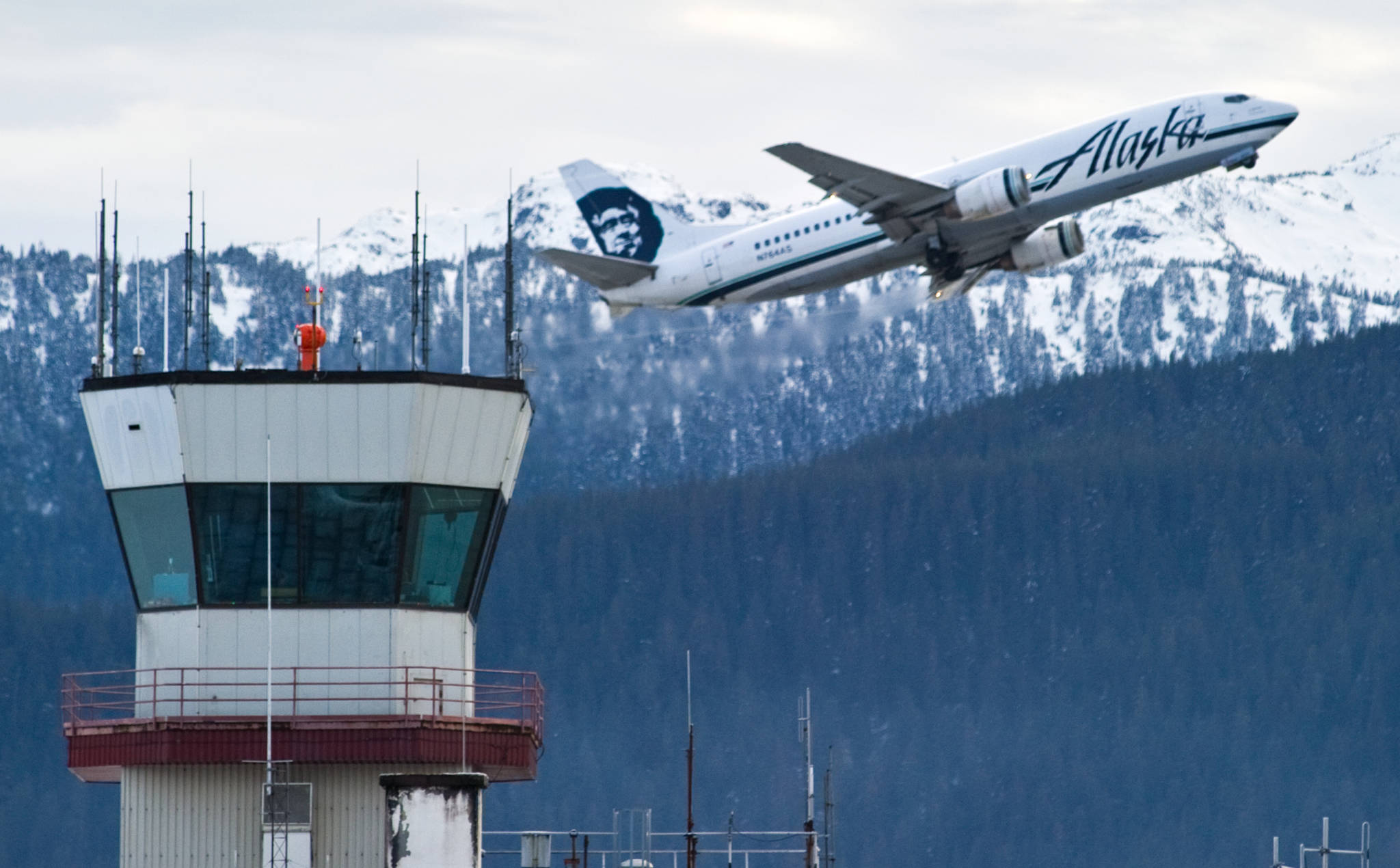
Alaska Air Group Inc. reported a loss of $431 million. The Seattle company said that removing one-time gains and costs, the loss came to $3.23 per share, which was wider than the $2.86 per share loss predicted by analysts. Revenue dropped to $701 million, slightly better than Wall Street expected.
Earlier this month, Delta Air Lines posted a $5.4 billion loss and United Airlines lost $1.8 billion for the third quarter.
Airline shares moved higher in Thursday trading save for American Airlines, which slid about 2%.
