
Alaska legislators took their first formal look at an anticipated public education reform bill on Wednesday, one that includes less direct funding to public schools than advocates have previously requested.
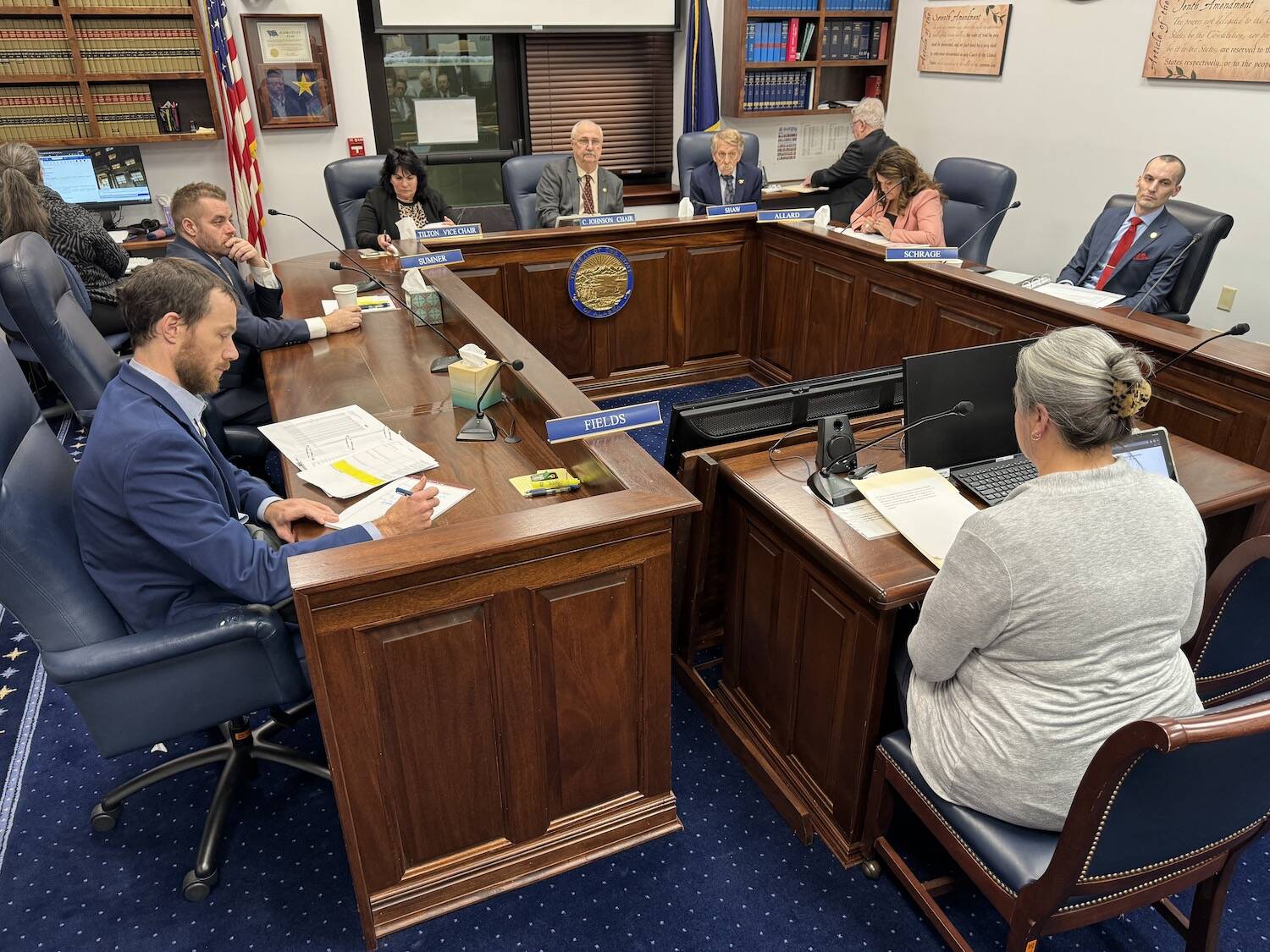
Senate Bill 140, originally drafted to simply increase the minimum Internet speed at some rural schools, was revised Wednesday in a hearing of the House Rules Committee and now appears to be on the fast track toward a vote of the full House, something that could happen before the end of the month.
Rep. Craig Johnson, R-Anchorage and chair of the committee, has scheduled public testimony for Saturday morning, and lawmakers must submit amendment proposals before the end of the day Friday, a sign of fast movement.
Fast movement doesn’t always mean a smooth process, however.
“I think it’s going to be very contentious. Any time you deal with education, it’s going to be contentious,” Johnson said.
The bill now includes several education-related pieces of legislation, including bonus payments for teachers, a new approval process for charter schools, greater funding for correspondence schools and more help for students who are deaf and hard of hearing. It also keeps the funding for rural school internet upgrades and more funding for school transportation, something added by the House Finance Committee.
The item drawing the most attention, however, is a proposed permanent increase to the state’s base student allocation, the per-student funding formula that provides the basis for most public school funding in Alaska.
The bill proposes a permanent $300 increase to the BSA, as it’s commonly known. That 5% rise is less than school districts have said is needed to keep up with inflation.
The Association of Alaska School Boards has recommended a permanent $1,413 increase, and lawmakers last year approved a temporary $680 increase that was halved by a veto from Gov. Mike Dunleavy.
Members of the state Senate and some in the House have called for a permanent increase of at least $680. Last year, the Senate passed a bill that included a $680 increase, but that legislation hasn’t moved through the House.
“I think there’s a lot of support in this body just based on votes, based on discussion in the finance committee, of the BSA increase of not less than $680,” said Rep. Zack Fields, D-Anchorage.
But in the House, that isn’t certain. On Tuesday, House lawmakers declined by a single vote to call a joint session that would have been a first step toward overturning Dunleavy’s veto.
Another element that concerns public education advocates is a section that would allow the state board of education to authorize new charter schools, sidestepping local school districts in the process.
That could create a situation where a local school district is placed in charge of administering a charter school that it doesn’t want, said Lon Garrison, executive director of the Association of Alaska School Boards.
“When there’s controversy and controversy around something, how does that get mitigated?” he said.
Fields said he’s worried that the section could be a back-door way of funding religious schools, but legislators in the audience said they were confused by that notion, because the Alaska Constitution specifically bars public funding for private schools.
Deputy Attorney General Cori Mills wrote an opinion in 2022 that says it’s likely constitutional for home-school students to use public funding for one or two private-school classes, but not for most of their classes.
Other provisions of the bill are less controversial. Last year, Gov. Mike Dunleavy proposed cash bonuses of $5,000 to $15,000 for teachers in various parts of the state. Fields said he supports the idea, and other members of the House’s predominantly Democratic minority have said the same.
A bill from Rep. Jamie Allard, R-Eagle River, that would increase support funding for deaf and hard-of-hearing students has also been incorporated into SB 140, as have two separate bills from Rep. Justin Ruffridge, R-Soldotna.
One of his sections would preserve a tax credit for companies that donate to educational institutions. Another would make correspondence programs — typically used by home-schooled students — eligible for a funding multiplier that’s now only available to traditional public schools. That would increase the amount of money available to those correspondence programs.
Intensive lobbying is expected in the coming days, including a rally at 5 p.m. Thursday in front of the Capitol by education funding advocates.
• James Brooks is a longtime Alaska reporter, having previously worked at the Anchorage Daily News, Juneau Empire, Kodiak Mirror and Fairbanks Daily News-Miner. This article originally appeared online at alaskabeacon.com. Alaska Beacon, an affiliate of States Newsroom, is an independent, nonpartisan news organization focused on connecting Alaskans to their state government.
