

The center of a tree or shrub stem (from roots to trunk, branches, and twigs) is woody, composed of xylem cells that conduct water from the roots to the upper parts of the tree. That woody section is surrounded by a narrow band of tissue called cambium, which is metabolically very active. It generates new xylem cells on one side, adding to the woody center, and on the other side it generates new phloem cells (the inner bark), which carry sugars and nutrients from the leaves to the rest of the tree. Sapsuckers tap into that flow, making wells that also attract other birds (such as hummingbirds) and insects to the sweet liquid. Hungry beavers, hares, and porcupines love to snack on that inner bark and the adjacent layers of the outer bark.
The inner bark is surrounded by an outer layer of bark. A thin epidermis covers everything inside; when mature, these cells are dead. In many trees, small openings called lenticels allow the passage of oxygen from the air to the active tissues inside. On roots, the epidermis bears root hairs that capture nutrients and water from the soil and transfer them to the root. Below the epidermis there is a band of variable thickness called the cortex. The cortex has many functions including protection, moving nutrients obtained by root hairs into the root, recycling carbon dioxide from metabolic processes, and storing energy.
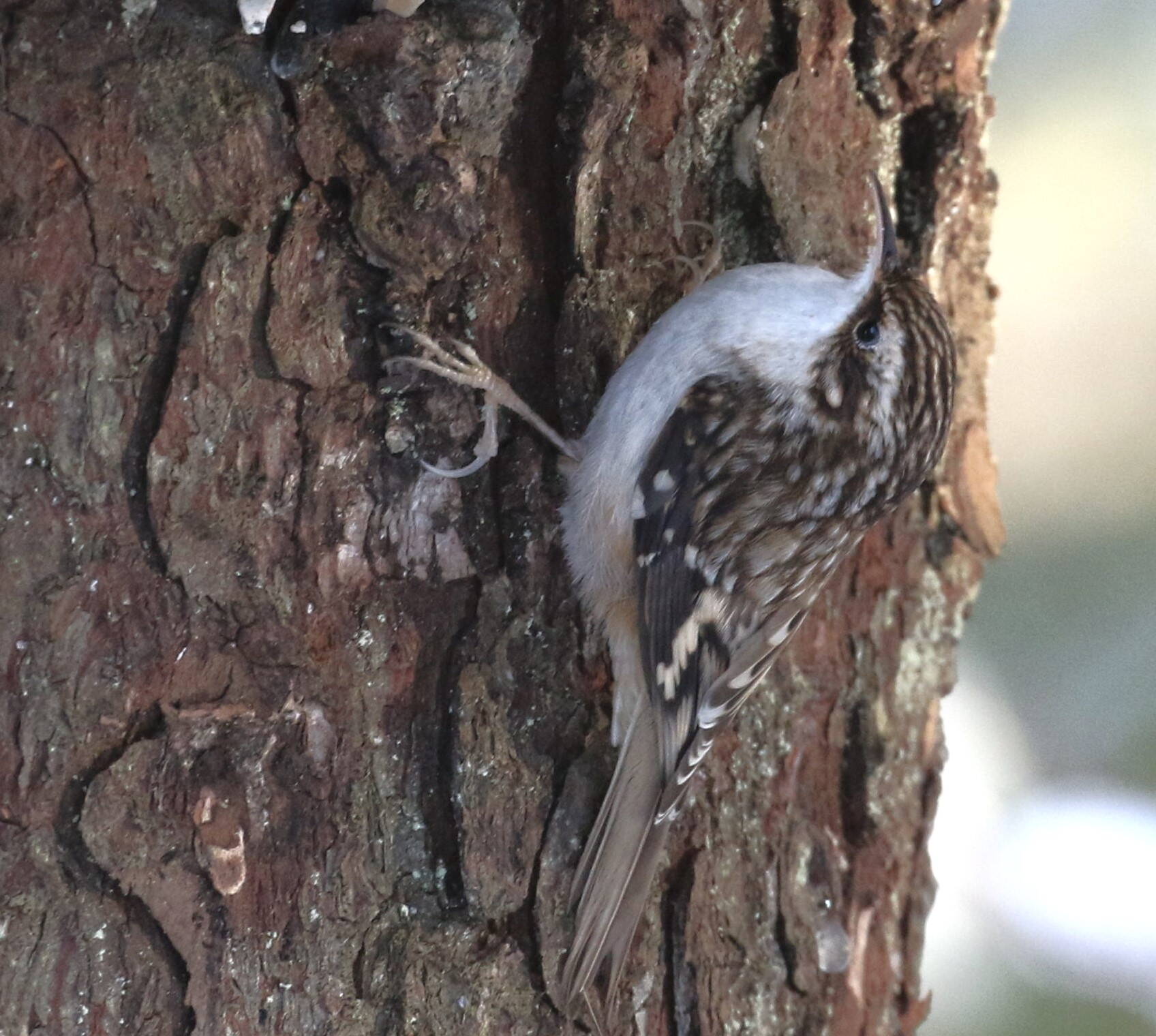
The external bark surface may be smooth or rough and thick. Within the cortex of the outer bark are additional, localized cambium layers that also produce phloem on one side; on the other side, they produce the corky external material that is conspicuous around hemlock trees, for example. Furthermore, as the xylem lays down more wood and the trunk expands, those cork cells are pushed outward, sometimes making thick layers of ridges and crevices. Rough bark offers refuges for many insects, which are often sought by nuthatches, chickadees, and woodpeckers. It also provides suitable substrate for lichens and mosses to take hold, although some trees (such as paper birches) shed fragments of that outer bark. Some bats like to roost under sheets of loose bark on dying trees or stumps, especially in old-growth forest, and brown creepers often build their nests behind flaps of loose bark.
From the tree’s perspective, the bark may have varied functions. Tree bark is involved with water storage and with mechanical support of the tree. Coastal redwood trees commonly have extremely thick (as much as two feet or more) outer bark around the base of the trunk, which provides protection from ground fires. Even thin bark on twigs or trunk can provide protection from wind-blown ice crystals and dust. Bark often contains chemicals that deter at least some insects and vertebrates from chewing into the tree and is sometimes active in repairing wound damage.
Less well known is the fact that the bark on many kinds of trees is green and photosynthetic, capturing carbon dioxide and making sugars, which is usually the job of the leaves. Cells containing chlorophyll are found in the cortex portion of the outer bark, the inner bark, and sometimes part of the xylem.
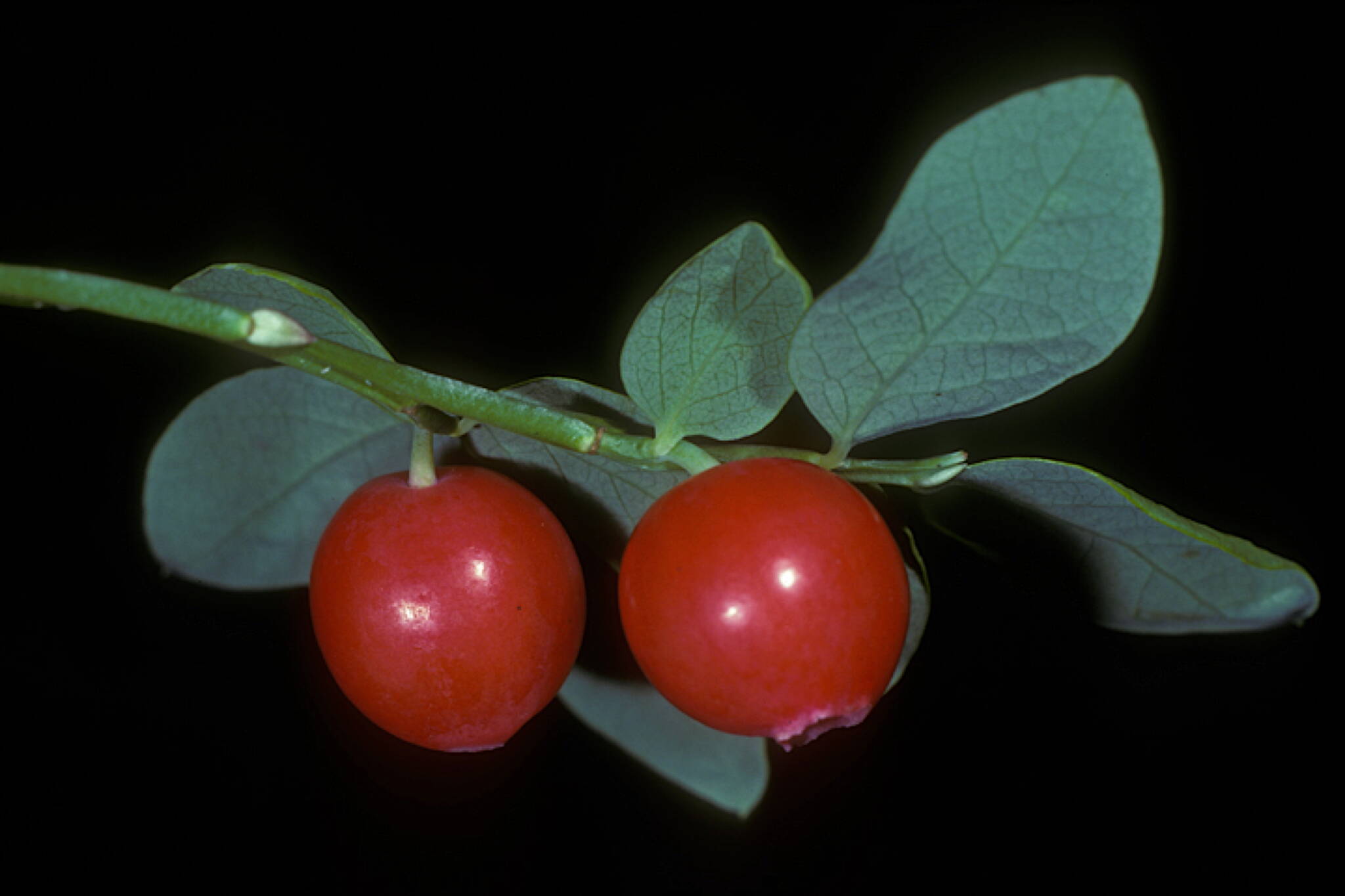
Green bark is found on trees and shrubs of many different, unrelated species. In Australia, young bottle trees of Queensland forest and scrubland have green bark that turns dark with age. In North America, spiky shrubs called ocotillo and small trees known as palo verde (green stick in Spanish) grow in deserts of the southwest. To save water, these species commonly drop their leaves during a drought, but the green bark can carry on photosynthesis and maintain the production of energy for the plant, without the higher rates of water loss from leaves. Closer to home, aspen trees have a layer of green bark underlying the external whitish bark. Even in winter, when the leaves have dropped, the bark can use the available daylight to make sugars for the tree. Furthermore, green, photosynthetic tissue is found under the thin outer coverings of small twigs and branches of many other species. Some dogwoods have green twigs, and the twigs of red huckleberry are green all year, but brighter in summer than winter.
So-called Japanese maples (which actually live in various places in eastern Asia) come in many varieties, some of which have green bark when young, and one species that is reported to have bright green bark when adult. This small tree is deciduous, dropping its leaves seasonally, and may use the green bark when the leaves are gone. However, given the great popularity of this species for decorative gardens and the variation among the varieties, it might also be possible that humans have simply selected variants that pleased them.
It would take a large book to describe the world of tree bark — all the ecological, physiological, and evolutionary connections!
Thanks to Koren Bosworth and Ginger Hudson for helpful consultation.
• Mary F. Willson is a retired professor of ecology. “On The Trails” appears every Wednesday in the Juneau Empire.
