
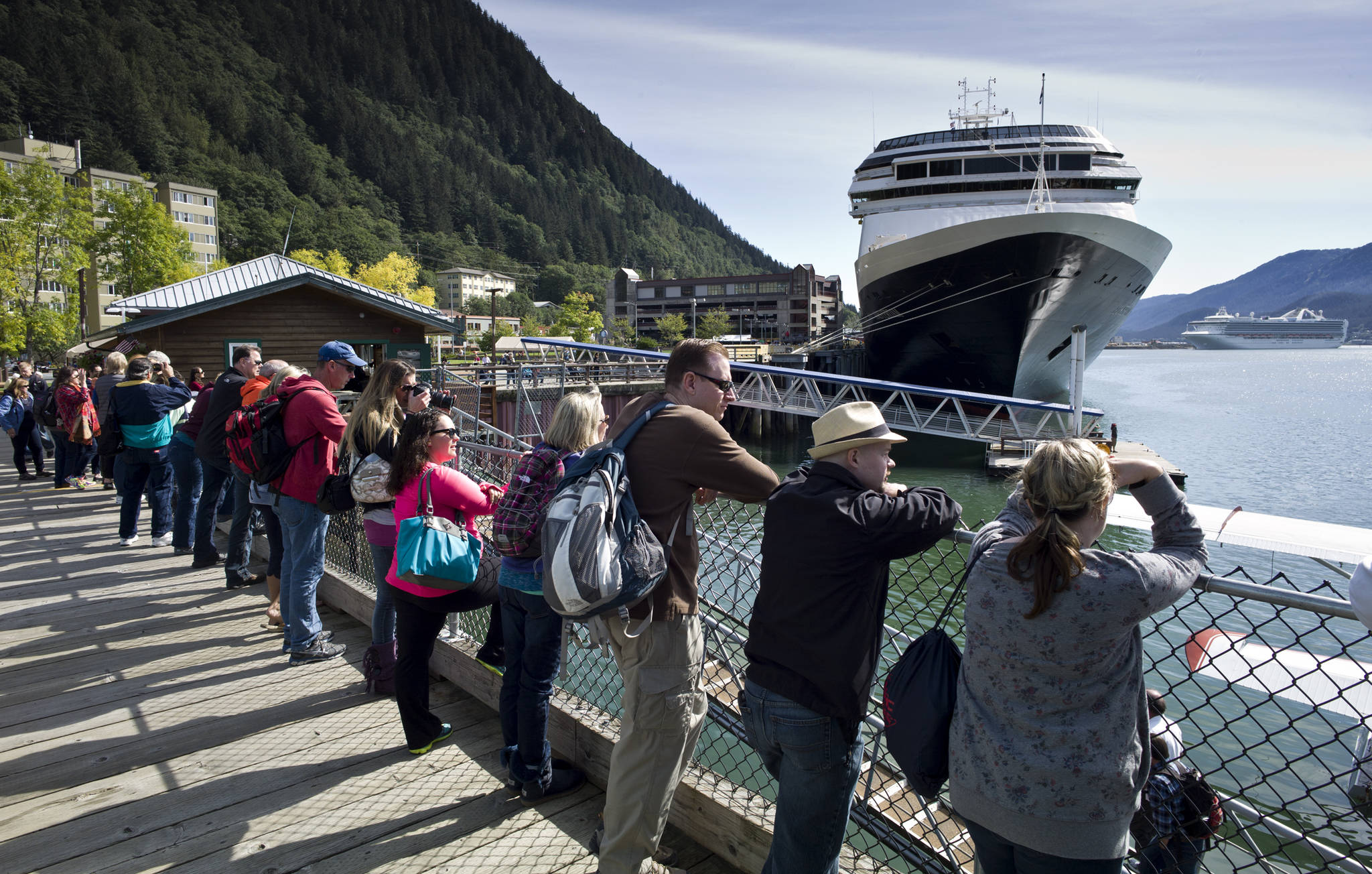
Many were surprised when the ruling was released last month in the lawsuit concerning the City and Borough of Juneau expenditures of cruise ship passenger fees. The litigation (Cruise Lines Association Alaska v. CBJ) was brought by the international association of cruise lines and its Alaska affiliate, a multifaceted effort to invalidate two separate and distinct fees collected by CBJ from cruise lines that bring well over a million visitors to Alaska’s capital city every year.
The Marine Passenger Fee (MPF) was first levied in 2000, in an amount of $5 per individual. The stated purpose of the ordinance imposing this fee was to pay for infrastructure and services used by cruise passengers, including emergency services and CBJ assets related to transportation and recreation.
The MPF ordinance was amended in 2012 to simplify the purpose language, but still explicitly referred to cruise ship passengers as intended beneficiaries in addition to cruise vessels. MPF funds have been allocated to a wide variety of operating and capital costs, from the emergency room at Bartlett Regional Hospital to libraries to crossing guards to Travel Juneau; they also partly paid to build the Seawalk to the whale statue at Mayor Bill Overstreet Park.
The second contested charge is the Port Development Fee (PDF) dating from 2002, collecting $3 per passenger today. The PDF is designated for capital projects downtown that provide services to the cruise ship industry. The PDF has been spent more narrowly than the MPF, and also helped pay for the Seawalk.
One can easily see why CBJ would seek ways to augment municipal funds spent on things needed largely because of the huge numbers of visitors to Juneau. But creating a revenue stream to pay for things that help make Juneau an easier and more attractive place to visit, specifically by those who come on cruise vessels, must be legal and not merely satisfy the thirst for more money.
[Air violations issued to eight cruise ships]
For many years, the cruise industry didn’t appear to object to the MPF or the PDF, and even participated in the process for deciding how the funds collected were spent. When the Seawalk was chosen as a project for funding, this changed, and the cruise lines challenged the legitimacy of both fees, arguing that they couldn’t be collected for any purpose, based on several provisions of the U.S. Constitution (particularly the Tonnage Clause) and an obscure 19th-century statute. CBJ ultimately responded to these claims by asking the court to rule whether the fees could constitutionally and/or statutorily be used for services benefiting passengers, and if the fact that the services also benefited the general public was what made them illegal.
The court clearly ruled on summary judgment that both the Constitution and the statute allow both fees to be collected, but that proceeds had directly to benefit the vessels and not just the passengers they carry. The decision cites many cases establishing that vessels must be the direct beneficiaries, and not their human cargo. Judge H. Russel Holland’s reasoning is convincing.
[More cruise ships headed to Hoonah]
The ruling in this case presents a challenge to CBJ, but it could be much worse. The plaintiffs chose to seek only prospective relief, and not repayment of any funds previously collected and expended. While CBJ raised some excellent defenses that might have caused the case to go to trial had repayment of past expenditures been sought, these were all mooted by the forward-looking relief the cruise lines sought. CBJ could appeal the case, but reversal seems unlikely.
Even though CBJ isn’t facing the onerous burden of having to repay tens of millions of dollars, the policy implications of the ruling in this case are before us as a community. It would have been wiser to invest in building docks and other infrastructural projects that unarguably serve cruise ships, and not secondary or tertiary entities, but the legal question hadn’t been decided before those decisions were made.
Going forward, with clarification about what MPF and PDF receipts can be spent on, hopefully CBJ and the cruise lines will have a more harmonious relationship. With visitor numbers expected to keep climbing toward 1.5 million, there is a strong incentive for both parties to this lawsuit to work together and reap the benefits for all of Juneau.
• Benjamin Brown is a lifelong Alaskan, and an attorney, who lives in Juneau. My Turns and Letters to the Editor represent the view of the author, not the view of the Juneau Empire.
