
Based on the deluge of comments on social media, recent proposals by the city to dramatically escalate debt and utility rates, and increase the property tax millage rate have struck a nerve with Juneau taxpayers. Until now, the unchecked spending by our city assembly for several discretionary projects and initiatives, some having been rejected by voters, has largely been tolerated.
Millions of dollars have been sequestered or spent for mail-in voting, proposed city offices and a palatial new arts and culture “civic” center, all allowed to proceed with scant attention paid to public process.
With the city facing flood mitigation expenses, declining school funding, and a looming backlog of deferred maintenance, the public is realizing that Juneau’s city government is spending beyond its means.
If raising taxes, piling on more debt, and increasing rates for city services are the only solution our Assembly is willing to consider, community affordability will continue to suffer and seniors on fixed incomes and working-class families will leave for less expensive places to live.
Residents left behind will be saddled with an ever-increasing share of taxes and fees spread across a dwindling population.
Pumping more government money into the economy isn’t the answer. It rarely creates durable jobs and is subject to the whims of government bureaucrats and elected officials.
Creating permanent jobs and expanding Juneau’s tax base are the province of the private sector. Government’s role in fostering economic growth is to keep taxes low, cut bureaucracy, and generally make it easier to design and develop revenue-producing projects.
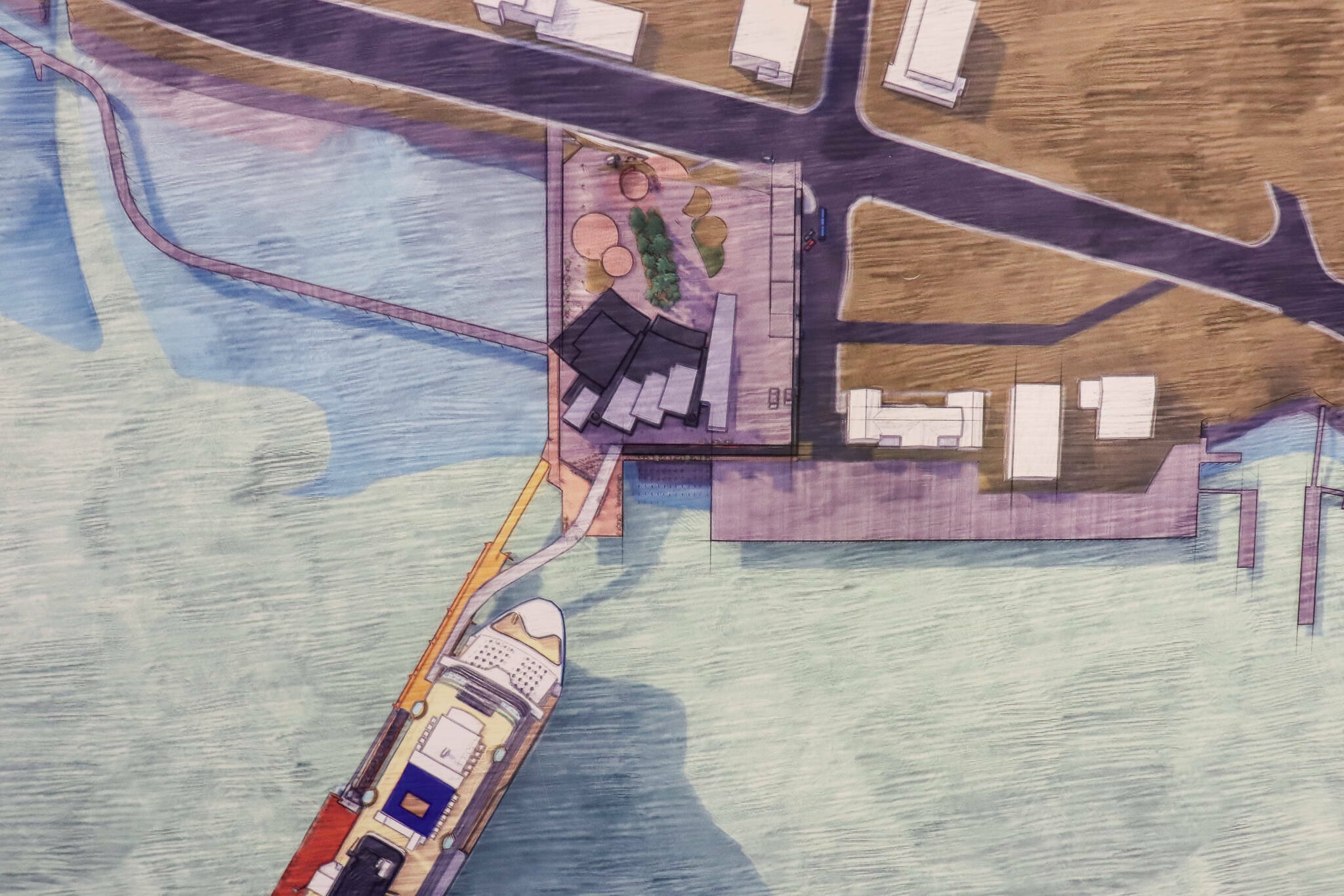
While mail-in-voting, city offices and a civic center have been excused from full scrutiny and transparency, Aak’w Landing, a proposed new cruise ship terminal and uplands development in the Subport area, has undergone the most rigorous and demanding public process in recent CBJ history.
The $150-200-million project has languished for years, facing a never-ending array of bureaucratic challenges and delays to reach a point where the Juneau Assembly can make a final decision on a necessary tidelands permit.
The private project includes a welcome center, retail and dining options, a public park, underground parking, and an Indigenous Knowledge, Science and Cultural Center.
A comprehensive and collaborative public process stretching over five years has incorporated input from the Planning Commission, Visitor Industry Task Force, CBJ planners, and annual surveys of Juneau residents. Most recently, public open houses attended by hundreds of residents were held by city officials to explain the project and answer questions.
Project opposition has largely come from a handful of cruise industry activists who have promoted anti-cruise ballot initiatives, filed lawsuits, and attempted to delay approval of this project by whatever means necessary.
None of Juneau’s other four docks (two that are city-owned) received a fraction of the attention when constructed. This despite the fact cruise ship numbers increased as a result and, due to their concentrated location, these docks have unavoidably contributed to general congestion.
The Aak’w Landing project, in contrast, will be located away from the center of the current dock area and will help disperse cruise passengers more evenly. Importantly, the addition of this dock will not increase the number of ships visiting Juneau. The city and the cruise industry have negotiated a limit on cruise passengers along with a five-ship daily limit which caps additional cruise traffic within the borough, regardless of the number of docks.
The project’s economic benefits are substantial: 80-plus construction jobs, 90-plus summer jobs, 20-plus year-round jobs, and increased property and sales tax revenue generated by hundreds of millions of dollars of real estate improvements and retail transactions.
The anti-cruise crowd has dismissed the project’s economic benefits and ignored the environmental benefits: eliminating thousands of buses from congested downtown streets, adding over 100 covered parking spaces downtown, reducing emissions from lightering vessels and cruise ships at anchor, and increasing cruise ship use of shore power, which in turn reduces residents’ utility bills.
Project approval will signal to other industries Juneau’s willingness to consider economic growth as a vital component of community affordability. The project will actually mitigate cruise industry impacts and reduce the city’s reliance on property tax millage rate increases.
That’s how we start making Juneau affordable again.
• After retiring as the senior vice president in charge of business banking for KeyBank in Alaska, Win Gruening became a regular Opinion Page columnist for the Juneau Empire. He was born and raised in Juneau and graduated from the U.S. Air Force Academy in 1970. He is involved in various local and statewide organizations. Columns, My Turns and Letters to the Editor represent the view of the author, not the view of the Juneau Empire. Have something to say? Here’s how to submit a My Turn or letter.
