Opinion: Education accountability starts at home — not just in Juneau
Published 10:30 pm Tuesday, July 29, 2025
When it comes to public education in Alaska, there’s no shortage of strong opinions — but not enough honest conversations. If we want real solutions that improve student outcomes and respect taxpayers, we need to ask hard questions: Where does the money come from and where should it go? Who makes the decisions? And where should accountability truly live?
The State of Alaska provides nearly 60% of all K-12 education funding. That support must be stable and predictable, so our students and teachers aren’t left in limbo. But here’s what many folks don’t realize: the remaining 40% comes directly from local taxpayers — through property taxes, sales taxes, and borough appropriations. Here on the Kenai Peninsula, the Borough is contributing $63.5 million — to the state cap. Combined with $82.8 million in state support, our schools receive $146.3 million this year, with a 43/57 local-to-state funding split.
That’s not just significant — it’s intentional. Our community is intended to be invested in our schools. And that means we should have a strong say in how they’re run.
I’ve said it before: Money alone doesn’t guarantee better results. Pouring more dollars into a system without demanding results doesn’t serve our kids. That’s why I support local control — and with it, local accountability. It’s not enough to point fingers at the state. If you want to know who’s shaping your schools, start with your school board, your borough assembly, and your mayor. These officials manage facilities, select superintendents, adopt curriculum, and make the decisions that affect your child’s education.
If there’s waste or mismanagement, that conversation starts with your local leaders — not just your legislator. And if cuts are needed, they should begin locally — where the public has direct oversight — not top-down mandates from Juneau.
Success in Alaska doesn’t always look like it does in the Lower 48. A successful graduate here might head into the oil fields, fisheries, health care or the trades. Career and Technical Education (CTE) isn’t just an option — it’s a lifeline. We need to expand programs that let students graduate with certifications, licenses and real-world experience. Welding, aviation, marine navigation and nursing — these aren’t fallback careers. They’re high-value paths that meet Alaska’s real workforce needs.
I also support school choice. Parents should have options — whether that’s a public school, charter, homeschool or private school. But choice comes with trade-offs. Sometimes lower enrollment in traditional schools stretches staff across grades or subjects. These challenges are real, but they shouldn’t be used as excuses to block innovation or limit family options.
Let me be clear: Hyper-partisan politics don’t belong in classrooms. I’m a Republican who believes in limited government and strong families. But education should be about students — not scoring political points. We need more common sense, less political theater, and a renewed focus on what helps kids succeed.
That’s why this October’s local election matters. Five assembly seats and three school board seats are on the ballot here on the Kenai. These leaders will shape the future of education in our communities. Ask every candidate: What’s their view on curriculum, performance, budgeting, CTE, school choice and parental rights? What do they plan to do differently?
To those calling for better outcomes, I ask: What law from Juneau do you believe must be changed to help your students thrive?
Let’s have that conversation — because I’m listening.
In the end, stable, rational decisions — not emotional or reactionary ones — are the foundation of success. That’s true in our homes, our towns, and especially our schools.
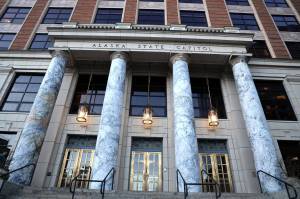
Strong schools aren’t built in the Capitol. They’re built in classrooms, our homes, town halls, and ballot boxes — right here in our communities. I’ll keep fighting for stable funding and real opportunity for Alaska’s kids, but real change starts at home.
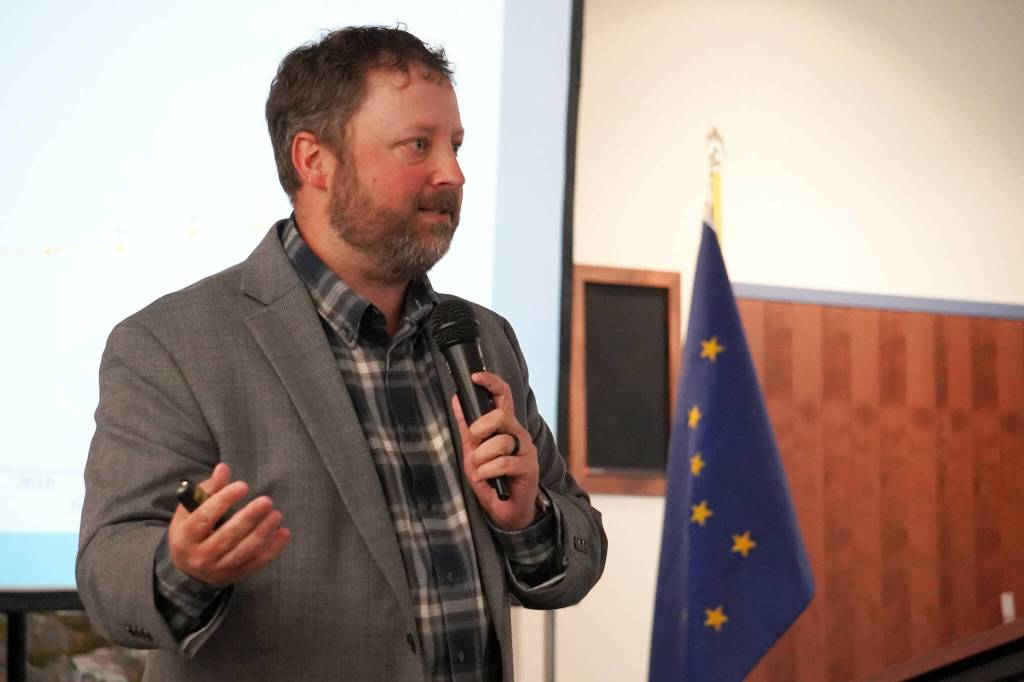
Rep. Bill Elam represents District 8 in the Alaska House of Representatives.