
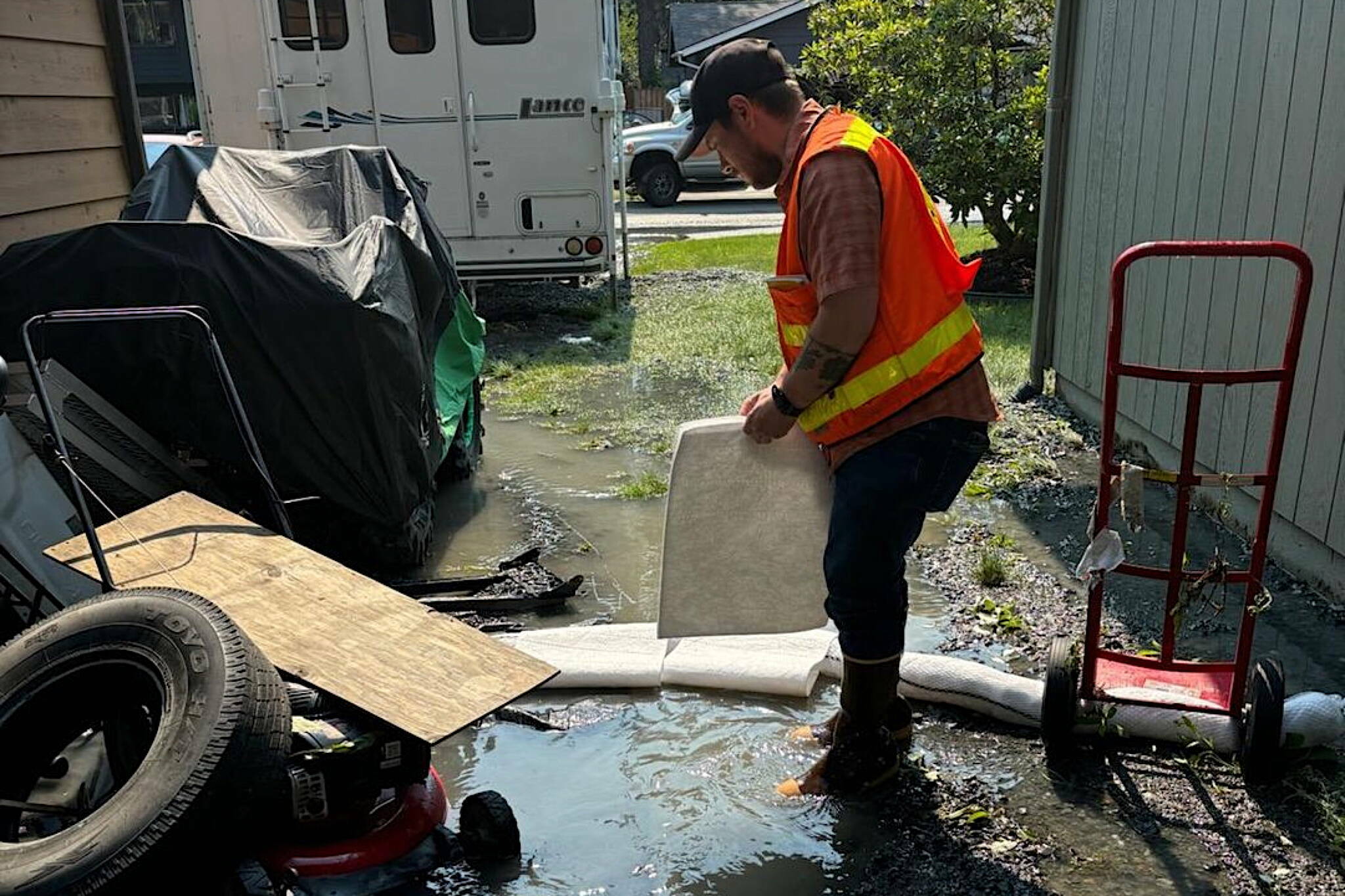
By now most Alaskans have heard of a jökulhlaup, a phenomenon where unstable lakes are formed from retreating glaciers that can result in a glacial outburst. The Mendenhall Glacier has created such a lake, Suicide Basin. Hydrologists estimate it contained 14.5 billion gallons of water before it burst on Aug. 5, and flooded nearly 300 homes and hundreds of vehicles in the Mendenhall Valley.
The outpouring of support for flood victims has been heartening. Local volunteers and nonprofits, state agencies, and the National Guard have all pitched in to aid in cleanup and recovery.
But, as those efforts continue, the calls for action to prevent this from occurring again become more urgent. Hundreds of Juneau homeowners face a dilemma. Why rebuild if their homes will be flooded again next year? The economic consequences of delaying a community-wide solution are unthinkable.
According to the National Weather Service, the likelihood of a similar event next August remains high. Indeed, as serious as this year’s flood was, it happened when the Mendenhall River was relatively low. If the flood had been preceded by heavy rain, raising river water levels, the consequences could have been more disastrous, possibly with loss of life.
At their Aug. 19 meeting, Juneau Assembly members listened to gut-wrenching stories from Juneau residents whose homes were flooded. Also discussed were possible preventative actions.
An initial list of conceptual approaches to reduce or eliminate the impact of future floods came with the caveat that they would require further study and regulatory exemptions (possibly even Congressional action) were they to be accomplished on the most optimistic timeline.
Suggestions include:
• Suicide Basin: Relieve glacial pressure gradually by tunneling underneath Mt. Bullard allowing the basin to drain naturally into Mendenhall Lake. Another option is blasting rock into the basin to decrease the amount of water it holds.
• Mendenhall River: Increase the capacity of Mendenhall River by digging channels along the river and/or dredging the river to increase its depth.
• Mendenhall Lake: Use the lake as a reservoir to hold potential flood water. This would require dredging the lake, lowering the lake level with pumps, or building levees around the lake to hold more water until it can be safely released gradually.
Some options may be considered fanciful or unworkable. Certainly, the Suicide Basin alternatives should be eliminated because other basins could appear later as the glacier retreats.
However, there seems to be less skepticism about the possibilities among local contractors who believe that it is feasible to design a fix in a reasonable amount of time. One of them, Dave Hanna, testified that side channel excavations and levee constructions are common and effective ways of mitigating flood hazards throughout the United States. Furthermore, local expertise and capability for that work exists in Juneau.
Mendenhall Lake levees could be integrated into the trail system now being planned with the proposed large expansion of U. S. Forest Service facilities and improvements at the Mendenhall Glacier.
All these mitigation solutions will be expensive and would require a 35% local match if federal funding can be obtained. However, that funding is dependent on FEMA designating the recent flood as a federal disaster. FEMA officials visiting Juneau this week will evaluate and make that determination. It will require a high level of diplomacy and negotiation skills from city officials to convince them of our need for disaster funding.
Regardless of the plan ultimately chosen or any other available funding sources, it may not be possible to construct a major project before Juneau faces another flood. Therefore, a two-pronged approach that includes short-term measures should be considered. For instance, raising riverbanks with rip-rap, installing temporary inflatable levees along the lake, and stockpiling sand for community use for sandbags all could be implemented before next August.
Regulatory permitting requirements notwithstanding, our community has the right to defend itself against any potential natural disaster and should invoke whatever emergency measures are necessary to protect its citizens.
A community task force must begin working on solutions immediately. We cannot rely solely on state or federal help. Local knowledge and expertise need to be included.
Time is critical. We cannot afford to wait.
• After retiring as the senior vice president in charge of business banking for KeyBank in Alaska, Win Gruening became a regular Opinion Page columnist for the Juneau Empire. He was born and raised in Juneau and graduated from the U.S. Air Force Academy in 1970. He is involved in various local and statewide organizations. Columns, My Turns and Letters to the Editor represent the view of the author, not the view of the Juneau Empire. Have something to say? Here’s how to submit a My Turn or letter.
