
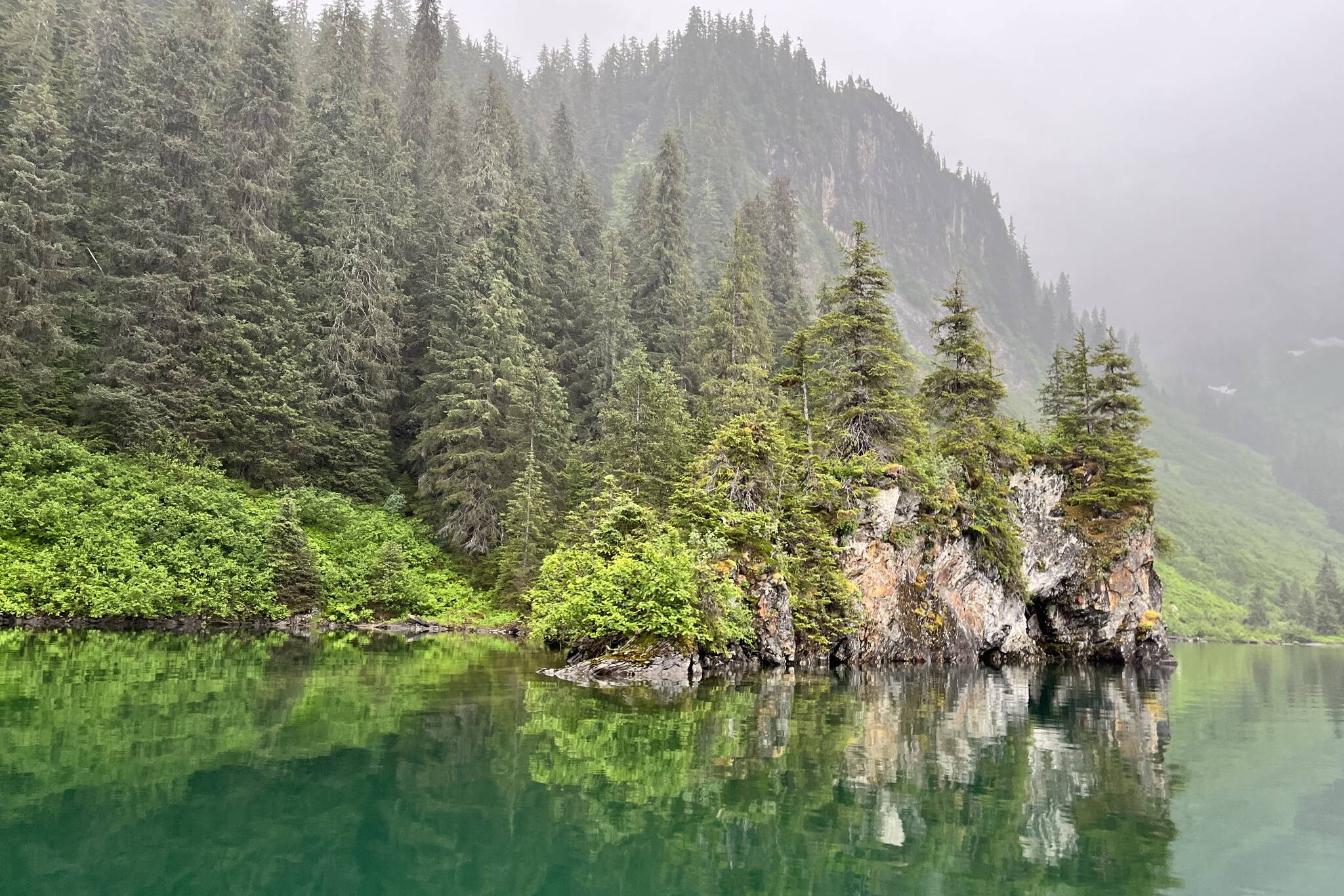
Sen. Lisa Murkowski has been trying to privatize the Tongass for years. Her latest effort, the so-called “Unrecognized Southeast Alaska Native Communities Recognition and Compensation Act,” S.1889/H.R. 4748, is a giveaway to corporate interests of 115,200 acres, including 80,000 acres of prime old-growth forests and roadless areas. It would degrade the bio-cultural integrity of wild areas by opening them up to developers. And it would continue promoting the dispossession and disenfranchisement of Indigenous peoples and local communities that depend on the Tongass’ world-class fish and wildlife populations that have sustained the ecology and economy of the region.
Tlingit elder Wanda Culp describes the act as “an industrial-rooted tool of Congress created to exterminate Indigenous land use and streamline the liquidation of ‘natural resources’ in our ancient ancestral homelands.” I stand alongside Indigenous advocates and conservation scientists in opposing this shortsighted legislation.
Last February, I organized a letter signed by 124 fellow scientists that was sent to President Biden, Secretary Haaland, Senator Schumer, and White House National Climate Advisor Zaidi requesting that they oppose the bill and uphold their environmental and social justice commitments. We now need follow through on that effort as the bill could be brought to a full vote in the Senate or even attached to critical legislation like the Farm Bill, bypassing meaningful opposition.
For over three decades, I have been documenting the globally significant values at-risk on the Tongass rainforest. Here’s what I and my colleagues have found that makes the Tongass unique and worthy of protection.
The Tongass is the nation’s top national forest because it includes over 5 million acres of productive old-growth forests and over nine million acres of intact roadless watersheds. My research shows that it is the region’s best natural climate solution, storing about 20% of all the carbon in the entire national forest system. The oldest trees are most important because they absorb massive amounts of our carbon pollution, as they have been for centuries, through the miracle of photosynthesis. Keeping carbon in old-growth forests by protecting them from logging is the best way to ensure that their irreplaceable values persist.
Because of its coastal distribution, the Tongass is a recognized climate sanctuary for fish and wildlife compared to interior Alaska and regions further south that are overheating the fastest. Importantly, five species of salmon find sanctuary in the intact watersheds of the Tongass, supplying fisher and Indigenous peoples with an iconic benefit that needs cool streams to survive, especially as the climate changes. Development would degrade all these climate critical properties.
Efforts to dismantle protections for the Tongass have repeatedly faced public outcry during my long Tongass tenure. Over 14 attempts to overturn the 2001 Roadless Rule have been met with legal challenges and have ultimately failed because the public, scientists, and Indigenous people like Wanda Culp have spoken truth to power. And the courts have recognized the unique values of the Tongass rainforest, acknowledging its importance for future generations.
The Forest Service is currently amending all national forest plans, including the Tongass, to address the climate and biodiversity crises under President Biden’s direction. The Tongass also has been shifting timber supply out of irreplaceable old-growth forests and into secondary forests where impacts are much lower. However, S.1889/H.R. 4748 would move us in the opposite direction, threatening this important progress that is a global model of conservation working with timber supply interests.
The Tongass is a symbol of natural beauty and irreplaceable bio-cultural relations that have been in place for millennia. Alaska needs to weather the climate change storm. Protecting its natural climate solutions, concentrated on the Tongass, is critical to how the region responds. We must ensure that its future is safeguarded for generations to come by opposing misguided privatization that would undermine the Tongass’ unique character.
• Dominick A. DellaSala is chief scientist at Wild Heritage, a Project of Earth Island Institute in Berkeley, California. He is speaking at The SeaBank Summit on Nov. 13 in Sitka.
