My Turn: We need to make food security a priority in Alaska’s 2024 legislative session
Published 9:30 pm Saturday, February 3, 2024
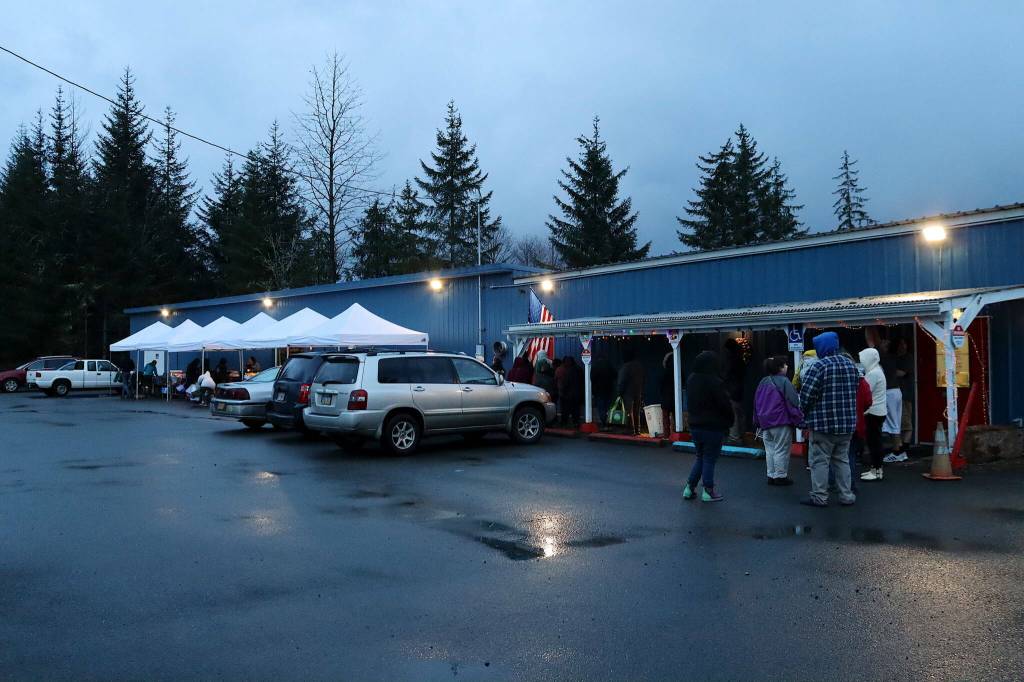


As Alaskans we understand the value of harvesting, fishing and foraging as a fundamental part of our lives. But even though these lands and waters we call home offer an incredible bounty, the urgency of food security and accessibility is very real.
After years of investment through Gov. Dunleavy’s Food Security Task Force (2023), the Legislature’s Food Strategy Task Force (2023-present), and the Alaska Food Network’s Statewide Food Security Action Plan (2022) we are incredibly well-informed and ready to move forward on meaningful actions to improve food security across the state. This 2024 legislative session presents a huge opportunity for our leaders to enact some of these changes, and prioritize building a thriving food system, strengthening a vital economic sector and safeguarding the well-being of every Alaskan.
Imagine an Alaska where our agricultural sector flourishes, supported by the creation of an Alaska State Department of Agriculture. This is not a distant dream, but a tangible goal. Initiatives like Alaska’s Agriculture Revolving Loan Fund and the HB298-created Ag Forgivable Loan Program are not just creating financial support; they’re catalysts for the growth and sustainability of Alaska’s ag sector. Enhancing support for the Alaska Division of Agriculture and the University of Alaska would mark a significant leap forward, fostering an environment where agricultural innovation thrives.
Prioritizing locally-sourced food procurement strengthens our self-reliance and creates a sustainable ecosystem that resonates with our diverse cultural tapestry. The ADEC’s Shellfish Sanitation program, for instance, is more than a regulatory measure; it’s a testament to our commitment to safe, local seafood. Revamping procurement laws to favor Alaska-grown and culturally appropriate foods is a move towards a more inclusive and robust food network.
The issue of food accessibility is paramount. Maintaining funding for food banks and pantries, and adding more staff at the Division of Public Assistance aren’t just about meeting immediate food needs; they’re building a safety net that ensures no Alaskan goes hungry. Improving the SNAP program, including implementing Broad Based Categorical Eligibility (BBCE), is a step towards helping Alaskans access food and rise out of poverty. Programs like Free School Meals for All and enhancing the DEED Child Nutrition Services embody a commitment to our future — a future where no child in Alaska goes to school with an empty stomach.
Transportation is the lifeline of Alaska’s food system. Adequately funding the Alaska Marine Highway System and establishing an Alaska Supply Chain Coordination Council are essential steps to ensure that food accessibility is not hindered by geographical, weather, or logistical challenges. It’s about ensuring that communities across Alaska have consistent access to nutritious food.
We must respect and ensure tribal sovereignty in Alaska’s food system. Tribal consultations and integration in policy-making are not just about honoring treaties and our nation-to-nation relationship; they’re about valuing the rich Indigenous knowledge that has sustained the people of these lands for thousands of years. This approach is crucial in developing a food system that is both effective and respectful of Alaska’s diverse heritage.
Food security in Alaska is about more than just filling plates; it’s about nurturing communities, supporting local economies, and preserving our unique historical and cultural practices. It’s about children who can focus on learning instead of their next meal, families who don’t have to choose between food and other essentials, and elders who receive the care they deserve.
As this legislative session unfolds, I hope that Alaskans and our leaders can make policy and budget decisions with a commitment to food security. Everybody eats and everyone should feel the urgency to support effective food policies. This is our moment to come together as Alaskans, to ensure that our state has strong, thriving communities. Let’s feed Alaskans — today, tomorrow and for generations to come.
• Colin Peacock is a Juneau resident who works as the regional food business center co-director at the Alaska Food Policy. Council.