
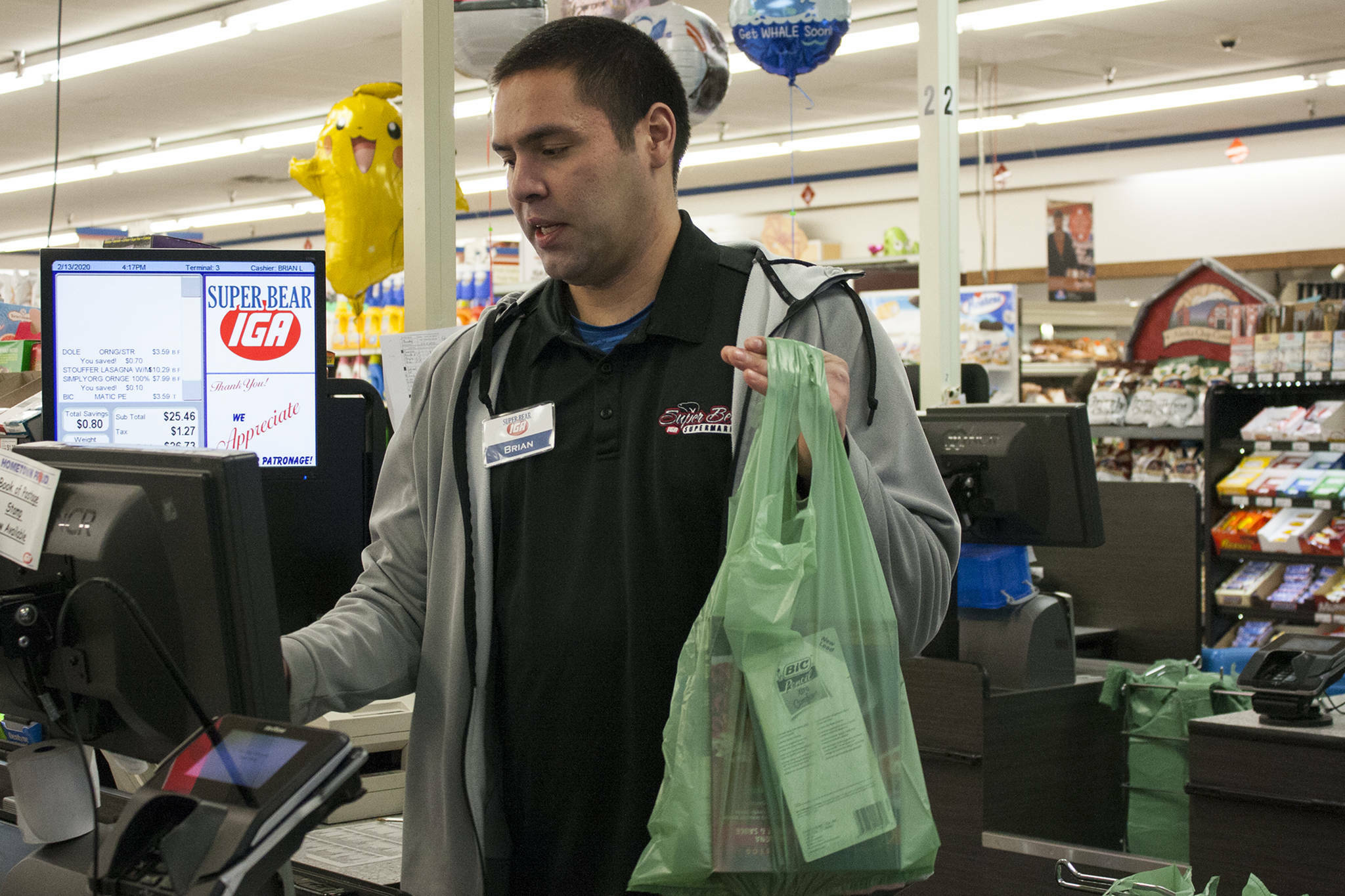
Juneau’s 5% sales tax on groceries is among the highest in the nation. Almost every other state either doesn’t tax groceries at all, or taxes them at a far lower rate. This is a regressive and unavoidable tax, eating isn’t optional, and it hits young families especially hard.
In recent years we’ve seen rapid increases in grocery prices. Landfill costs have skyrocketed. A big jump in water utility rates is headed our way. Trump’s tariff war with China and other countries is driving prices up swiftly. Housing costs remain stubbornly high. And the Suicide Basin floods are imposing large financial burdens and uncertainty on many valley residents. No wonder we’re seeing a steady outmigration of young families that’s hollowing out our workforce, shuttering our schools, and putting our town’s very future at risk. This is a financial and demographic train wreck happening in real time, and our grocery sales tax just compounds the problem.
CBJ collects over $6 million in grocery taxes per year. That’s more than $1,000 for a Juneau family of four. The Assembly could immediately reduce that family’s grocery bill by 5% just by eliminating the sales tax. We already do it for seniors, why not expand that to the rest of Juneauites?
Cutting $6 million in sales tax revenue will be a significant hit to CBJ finances. Operating costs for CBJ have increased with inflation, like everything else, and we have major expenses looming with the recurring Suicide Basin floods, a new landfill, water/sewer system upgrades, and more. Revenue is also being impacted by cuts to federal funding and the elimination of federal jobs in Juneau. The Assembly could increase property taxes to pay for losing grocery tax revenue, but that wouldn’t be politically palatable and would be yet another blow to residents reeling from higher expenses and would impact affordable housing.
There is another option. Along with eliminating the grocery tax entirely, reduce the 5% sales tax rate on all other purchases in the winter (October-March) to 3% and increase it in the summer (April-September) to 7% when we have a surge of tourists filling the streets and stores. This would still maintain our average annual 5% rate, which is about the lowest in Southeast. A seasonal sales tax coupled with eliminating the grocery tax would save that Juneau family over $1,000. That’s nearly the equivalent of an additional PFD for the household. Residents who deferred some purchases until the lower-tax season would save even more. CBJ’s books would still balance.
This isn’t an attack on tourism. Everyone in Juneau would be paying the same tax rates, not just the tourists. When Alaska Airlines raises ticket prices during high-demand periods we understand that it’s a business decision, not an attack on passengers. Our Assembly should approach this with the same fiscal mindset. Most popular tourist destinations charge much higher sales taxes and fees — Juneau’s 5% is a bargain, another 2% won’t raise an eyebrow for tourists. The average tourist would pay an additional tax of less than $6 during their visit. Juneau and Hoonah are the only cruise ports in Southeast without a seasonal sales tax, and Hoonah will be voting on theirs soon — it’s expected to pass. If reducing the grocery tax helps keep Juneau families in town, that’s a stable workforce that everyone, including the visitor industry relies on.
The Assembly has considered eliminating the tax on groceries several times in the past. Concerns about the budget impacts, and an unwillingness to increase other taxes on residents to pay for it have thwarted those efforts. By leveraging the seasonal sales tax described above, the Assembly could prioritize this tax reduction without increasing the burden on residents or compromising the budget.
• Bob Deering is a retired engineer who lives in Juneau.
