
In a recent article in the Journal of the American Medical Association Pediatrics titled: “Number of Pediatric Inpatient Psychiatric Beds in the U.S. Did Not Increase 2017 – 2020 Despite Youth Mental Health Crisis” (Aug. 19, 2024), researchers found “substantial geographic variation in inpatient psychiatric bed capacity per 100,000 children…Over 90 percent of inpatient beds are in urban centers, raising concerns for youth in rural areas. Access to psychiatric inpatient care for youth is insufficient to meet the growing demand, forcing patients to wait for hours or even days in emergency departments or on medical units until a psychiatric bed becomes available.”
Lack of sufficient inpatient psychiatric treatment beds for youth in Alaska has been a serious problem for many years. The Alaska Office of Children’s Services, for example, routinely places children in crisis in psychiatric treatment throughout the U.S. and wait times for open beds can be days and sometimes weeks. Families without adequate insurance coverage often have no access to needed psychiatric treatment services for kids.
I know several people in Juneau who had kids experiencing mental health crises and, besides high suicide rates, there are numerous stories of people who did not get the treatment they needed as youth and later became substance abusers, convicted criminals, and/or homeless. If we can’t meet this growing need we will continue to suffer the long-term consequences.
I served on the Bartlett Regional Hospital board from January 2014 until January 2023, and chaired the special Child and Adolescent Mental Health Unit (CAMHU) Committee from 2014 until 2017. We were following up on previous board efforts to develop a CAMHU at the hospital.
In 2004, the hospital board voted to provide inpatient mental health treatment for kids like BRH has provided to adults for many years. Feasibility studies were conducted and a new facility was designed by a local architecture firm. By 2012, Juneau voters approved a ballot measure to use sales tax funds for this project.
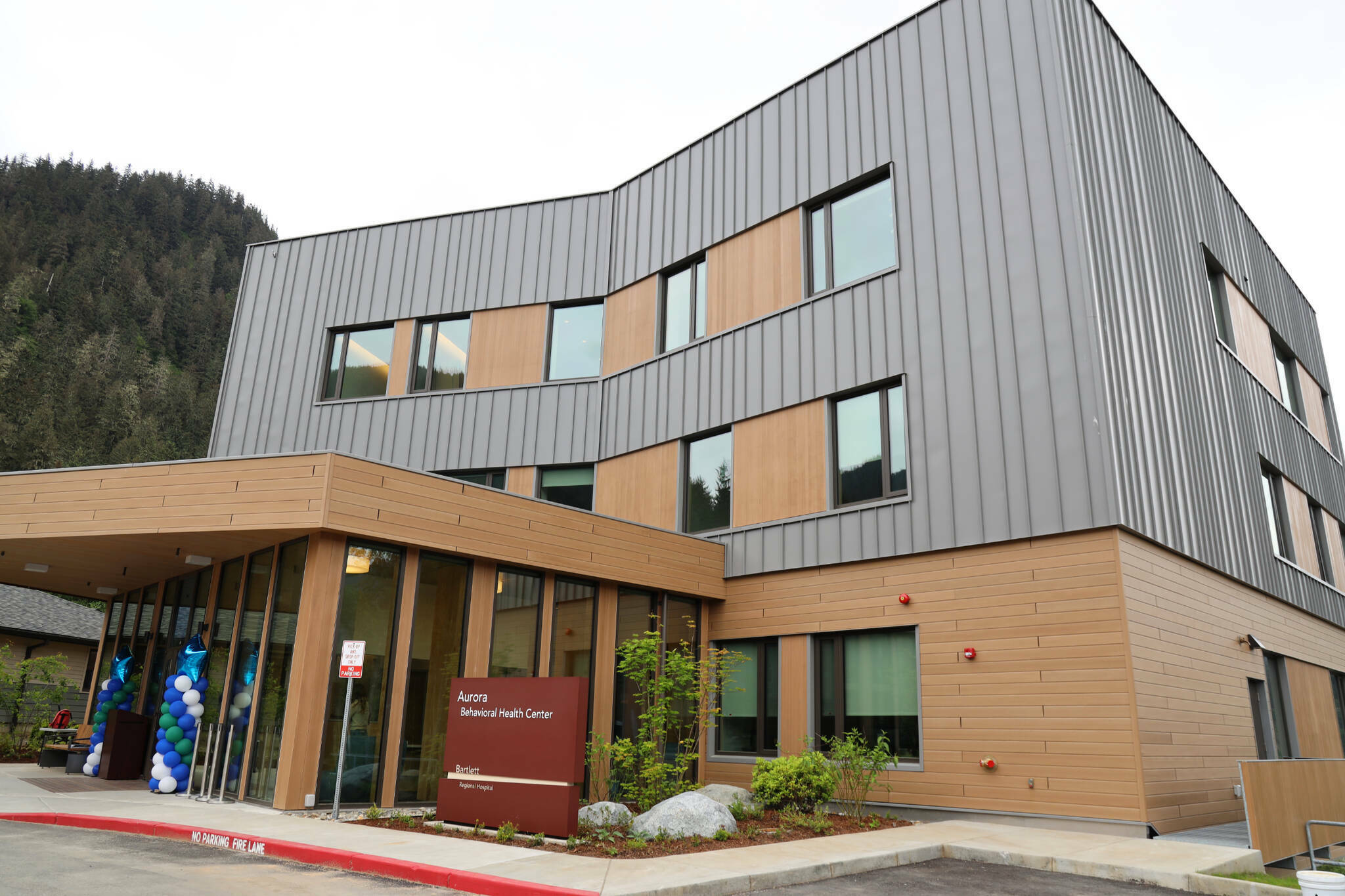
During my hospital board term, there was substantial board and community skepticism that there is enough local demand for these services to justify the cost. Instead of an inpatient pediatric psychiatric unit, hospital leaders chose to develop an eight-bed crisis stabilization facility for adults and children. This resulted in building the Aurora Behavioral Health Center, which also included space for Bartlett Outpatient Psychiatric Services (BOPS). After being open only a few months, current hospital leaders decided to close this facility due to inadequate financial sustainability.
Despite previous board directions, the new building was not designed to provide separation of kids from adults, so only kids were treated. It also did not include lockable units, which are recommended by national best practice standards. Presumably, someone in administration authorized these revisions without informing the board, and the chief behavioral health officer position also was eliminated.
According to recent reports, the current interim hospital CEO has said these services are not “core hospital services,” but he has not proposed closing the adult mental health treatment unit.
As I have said for several years, if we develop inpatient psychiatric beds for youth in Juneau it is virtually a guarantee that we will get referrals from throughout the state. When I chaired the CAMHU committee I talked to psychiatric social workers and other behavioral health providers from other regions of Alaska, and they all assured me they would much rather send kids to Juneau for treatment than to out-of-state facilities.
We should not miss the opportunity to provide state-of-the-art psychiatric inpatient treatment services for our youth. Currently we have an adult inpatient mental health treatment unit, the Rainforest Recovery Center for substance abuse treatment, and outpatient psychiatric treatment services. And, due to successful recruiting we have excellent local psychiatrists and other behavioral health providers, some with training in child and adolescent mental health.
My recommendation is to renovate the Aurora Behavioral Health Center to provide inpatient treatment beds for youth, with a couple of crisis stabilization beds. It may be able to accommodate around 12 to 16 beds in the existing building. If we meet national best practice standards the facility should be full of patients most of the time, which would help make it financially sustainable.
I also recommend reinstating the chief behavioral health officer position to provide the expertise, leadership, and vision to develop and sustain this needed service for our youth.
• Mark S. Johnson has lived in Alaska for 46 years and in Juneau for 45 years. He retired from a career with the Alaska Division of Public Health
