
The international Taku River is more than a source of clean water and salmon. It is the source of life.
Because so many people on both sides of the Alaska-British Columbia border depend on it, the Taku River deserves more respect than it is receiving from the governments of Canada and British Columbia (BC).
The Taku watershed is the traditional territory of indigenous Tlingit people, represented by the Taku River Tlingit First Nation in Atlin, British Columbia, and the Douglas Indian Association in Juneau. Remote and free of dams, the Taku is one of the most productive wild salmon rivers remaining on Earth. It provides habitats for all five species of Pacific Salmon — up to two million returning fish that feed local families and provide jobs for fishermen up and down the Pacific coast of Alaska and BC. This is a rare and precious resource.
The Taku flows from the mountains of northwest BC into Southeast Alaska, reaches the ocean near my home in Juneau. The Taku is usually the largest wild salmon producer in the northwestern BC and Southeast Alaska transboundary region.
Taku River is in my DNA and the DNA of my family and community. Among my earliest memories — before Alaska became a state — was joining my family to gillnet for salmon on the Taku, followed by seasons for berry picking and moose hunting. The whole Taku teamed with wildlife, much of it depending on the salmon for food. The entire Taku watershed remains some of the richest wildlife habitat in North America.
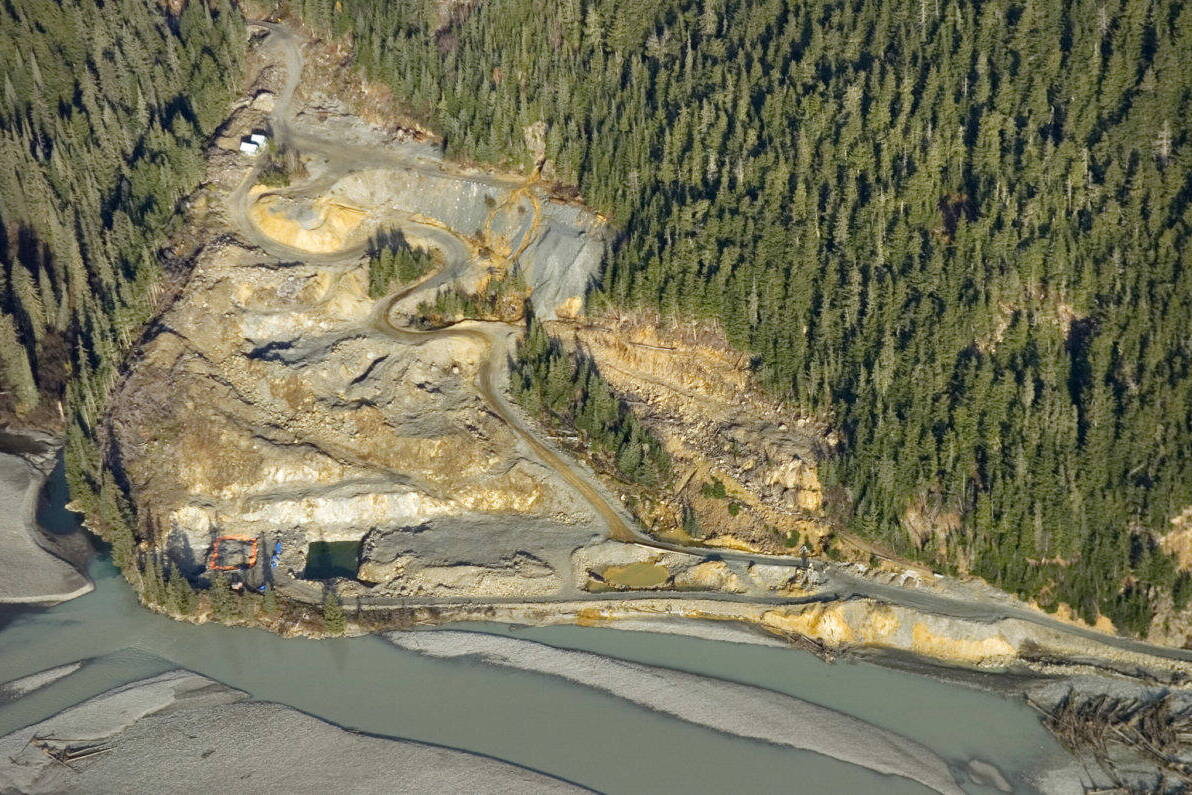
About that same time I was growing up on the river, the 1950s, the Tulsequah Chief mine was active in the Taku watershed in BC. The mine was subsequently abandoned, but has been leaching arsenic, mercury, lead, copper and other toxins into the Taku watershed ever since. The governments of BC and Canada have long documented violations and pollution. Canadian inspectors found the pollution to be “acutely lethal” to salmon.
Now, another mining company is proposing the New Polaris Mine just across the river from the Tulsequah Chief. It is almost unbelievable that the BC government would consider another mine, while it has still not cleaned up the mess left long ago.
Over my life, I have seen many economic booms-and-busts. The mining industry is big on making promises when prices are high, but when conditions change, they tend to pack up and leave.
Alaska Native and Canadian First Nation people have depended on Taku River salmon — and all that the land provides — since time immemorial. So do both commercial and recreational fishermen all along Southeast Alaska and the coast of BC. The Taku will continue to feed people for thousands of years into the future, if we just keep it clean and flowing freely.
We all use metals today in this technological age. But that doesn’t mean we must sacrifice priceless natural resources like water and salmon and our way of life for another cycle of boom-and-bust. It is only reasonable to at least require that the Tulsequah Chief be cleaned up before the governments of BC and Canada even consider approving another mine in the Taku. Especially a gold mine, which is not a critical mineral and is largely used in jewelry.
The salmon and the river do not recognize any boundaries that humans draw on maps. Yet those boundaries become very real barriers for people trying to protect their rights and their way of life.
For decades, the BC government has made promises about cleaning up the Tulsequah Chief mine. But those promises have been hollow. We need to see these promises translated into on-the-ground work to halt the mine pollution.
We are all in this together. The State of Alaska, the BC provincial government, Alaska Native Tribes and Canadian First Nations all want a thriving, productive Taku. Not only for ourselves, but for our children and grandchildren. Their future depends on what we do today.
• John Morris Sr. is a military veteran, an elder of the Douglas Indian Association, and is one of few remaining Tlingit elders who was born and raised on the Taku River.
