
Our state is blessed with a vast trove of natural resources — from fish to gold, timber to oil — that gives all of us lucky enough to call this great land our home, the ability to set our own economic course for the future.
No one understands better than an Alaskan the importance of striking the appropriate balance between economic opportunity and conservation. We are as committed to growing our economy as we are to making sure that the wild places we love remain wild for future generations.
It’s important that we make these decisions together, though, and not bow to the pressure from Outside special interests. That’s why I oppose Ballot Measure One.
Ballot Measure One is many things. It is well funded. It has the backing of some of the wealthiest environmental donors in the Lower 48. And it has zero understanding or appreciation for the uniqueness and challenges of life here.
The private and well-funded group behind Ballot Measure One is attempting to use the initiative process to circumvent the decisions of our state managers and impose new rules that would severely restrict our ability to develop our shared resources.
Despite the fact that the Alaska Department of Fish and Game has some of the most stringent rules and fisheries management policies in the country, Outside activists and their wealthy donors are pouring money into an effort to revise state permitting requirements that experts argue will make development of almost any type impossible.
While proponents of the ballot measure talk about it as an “update” of existing regulations, the reality is somewhat starker. The initiative would force state officials to discard the established, science-based permit review and approval process and accept new language that would make infrastructure and commercial development projects much more expensive or worse. Perhaps that’s by design.
Passage would severely restrict our ability to develop our resources and inject new life into our state’s ailing economy. It would also have an impact on our ability to develop other projects, including building renewable energy projects needed to move our state into the future and improve the quality of life in some of our most endangered communities.
The terms under which Ballot Measure One proposes to regulate development are so vague that any activity that may use or even disturb potential fish habitat would be subject to vastly stricter regulations. The measure declares that any body of water is to be considered fish habitat unless proven otherwise. The standard is so egregious that Aaron Schutt, the president and CEO of Doyon, Limited, the Alaska Native regional corporation for the Interior, has said that there would “not be another significant project built in rural Alaska if this initiative passes.”
The threat posed to the economies of communities across the state is significant, as many local jobs are based on the development of distant resources. But the potential impact to the smaller economies in the bush could be devastating. Hub communities and their surrounding villages would not only see already limited employment opportunities disappear, but also their ability to develop their local land. Any project near water, including wetlands, would be endangered under the language proposed by Ballot Measure One.
I support efforts to preserve our state’s natural beauty and the rich employment and recreation opportunities it allows. I am also a strong supporter of our fishing economy, both commercial and sporting. But I believe it is up to us as Alaskans to decide how best to manage our common resources. Those decisions should be done in coordination with our elected leaders and the experts who have governed these resources for decades.
Any conversation about conservation must consider the importance of balance. If we are not allowed to develop the core resources that have historically provided our economic base, then there will be no one left to enjoy the wild places, except the federal managers manning the gates of our national parks and refuges, and the rich sports fishers and hunters who fly in for trophies.
Funding for Ballot Measure One comes almost exclusively from Outside environmental activists who don’t have to worry about the negative economic repercussions — simply because they won’t be here to suffer them.
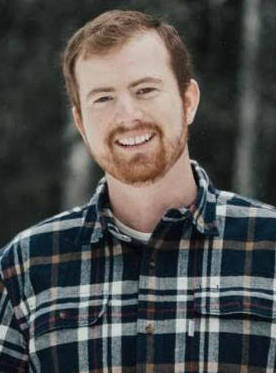
• Seth Church is the owner of Jewel Isaac, LLC an Alaskan general contracting firm based in Fairbanks.
