U. of Alaska regents prepare for budget cuts

FAIRBANKS — University of Alaska officials are working to prioritize programs as they face another round of cuts outlined in Gov. Bill Walker’s budget plan.

The statewide university system would receive about $330 million for fiscal year 2017 under Walker’s plan released Wednesday, reported the Fairbanks Daily News-Miner. The new figure would reduce university funding by more than $15.7 million, or 4.6 percent, from the previous year.

Pat Pitney, Walker’s budget director, told UA President Jim Johnsen and the board of regents about the “bold” plan that includes funding reductions.

“We have to demonstrate that we are efficient, but we also know that the size of reductions are going to impact programs. There’s no way we can make the reductions that we’ve made and expect that we can do everything we’ve done in the past,” Pitney said. “So it’s going to be priority choices and significant change, coupled with the most we can get from doing business better.”

Walker’s plan does not include capital funding to complete the unfinished engineering building at the University of Alaska Fairbanks. The university had requested $34.8 million to finish the work.

Pitney said the overall state capital budget plan of $195 million was “very austere” and “constrained.”

“The governor was not comfortable in putting money in for the engineering building this year,” Pitney said. “We have proposed working with the Legislature on a general obligation bond that has the opportunity to have funding for the engineering building.”

Johnsen and the board of regents focused on the contingency budget planning process, which comes after the regents approved Johnsen’s best-case scenario budget in November that asked for $350 million from the state.

Johnsen said he will continue to push for the university’s full budget request, but he acknowledged that nothing was guaranteed.

“It’s not unreasonable for us to expect even deeper cuts than what the governor has proposed,” Johnsen said. “There’s no question this is going to be difficult in that this is the third year in a row that there will be reductions.”

Johnsen said the cuts will have a long-term effect on students, staff and faculty.

He told the board of regents that preserving the university’s rural campuses, outside of Anchorage, Fairbanks and Juneau, is a priority.

Johnsen said his staff is compiling a list of programs based on their value that will go before the board for their consideration by January and for final approval in June.

Information from: Fairbanks (Alaska) Daily News-Miner, http://www.newsminer.com
More in News

Members of Juneau Education Association and supporters of the union dress in green at the Board of Education Meeting on Oct. 28, 2025. (Mari Kanagy/Juneau Empire)
Teacher’s union speaks on lapsed contract as board members shuffle

Juneau Educators Association’s contract expired at the end of July.

“Tide Pools” is part of the “Landscapes of Southeast Alaska” exhibit by Johanna Griggs, presented by Juneau Arts & Humanities Council. The exhibit will open at the Juneau Arts and Culture Center on Friday, Nov. 7 2025. (courtesy Juneau Arts and Humanities Council)
November’s First Friday: Here’s what to see

Juneau Arts & Humanities Council announces community events at attend Nov. 7.

One of the houses on Telephone Hill stands vacant on Wednesday, Nov. 5. A lawsuit filed against the city Friday seeks to reverse the eviction of residents and halt demolition of homes on the hill. (Mari Kanagy/Juneau Empire)
Telephone Hill residents file lawsuit against city to stop evictions and demolition

The city says legal action is “without factual or legal support.”

“Hair ice” grows from the forest floor in Fairbanks, Alaska. Photo courtesy of Ned Rozell
‘Hair ice’ enlivens an extended fall in Interior Alaska

Just when you thought you’d seen everything in the boreal forest, a… Continue reading

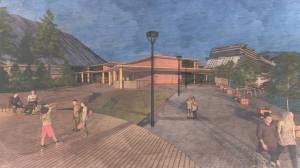
Goldbelt Inc. illustrates a potential cruise ship port and development along the coast of west Douglas Island. (Port of Tomorrow MG image)
Assembly approves one step in Douglas cruise port plan, but pauses next move

Goldbelt’s “new cultural cruise destination” in west Douglas is still years out.

Kelsey Ciugun Wallace, president of the Alaska Native Heritage Center, looks over a collection of frozen sockeye salmon on Oct. 30, 2025. The salmon was donated from the Copper River basin and is part of the collection of traditional Native foods donated for the Yukon-Kuskokwim residents displaced by Typhoon Halong. The salmon and other foods have been stored in a large freezer trailer at the heritage center, pending distribution to families and organizations.
Alaska typhoon victims’ losses of traditional foods go beyond dollar values

A statewide effort to replace lost subsistence harvests is part of the system of aid that organizations are trying to tailor to the needs of Indigenous rural Alaskans

Gov. Mike Dunleavy discusses his new proposed omnibus education legislation at a news conference on Jan. 31, 2025. (Photo by Corinne Smith/Alaska Beacon)
Alaska declares disaster over federal food aid failure, diverts $10 million for temporary help

Following a request by state legislators and similar action by other states,… Continue reading

Yuxgitisiy George Holly and Lorrie Gax.áan.sán Heagy (center left and right) stand alongside Lieutenant Governor Nancy Dahlstrom (left) and other honorees at the Governor’s Arts and Humanities Award ceremony in Anchorage on Oct. 28, 2025. Holly won the Margaret Nick Cooke Award for Alaska Native Arts and Languages, and Heagy won the award for Individual Artist. (photo courtesy of Yuxgitisiy George Holly)
Two Juneau educators win Governor’s arts awards

Holly and Heagy turn music and dance into Lingít language learning, earning statewide arts awards.

Most Read