Threads of the Tongass: The future of pianos and the timber industry
Published 9:30 pm Thursday, July 10, 2025
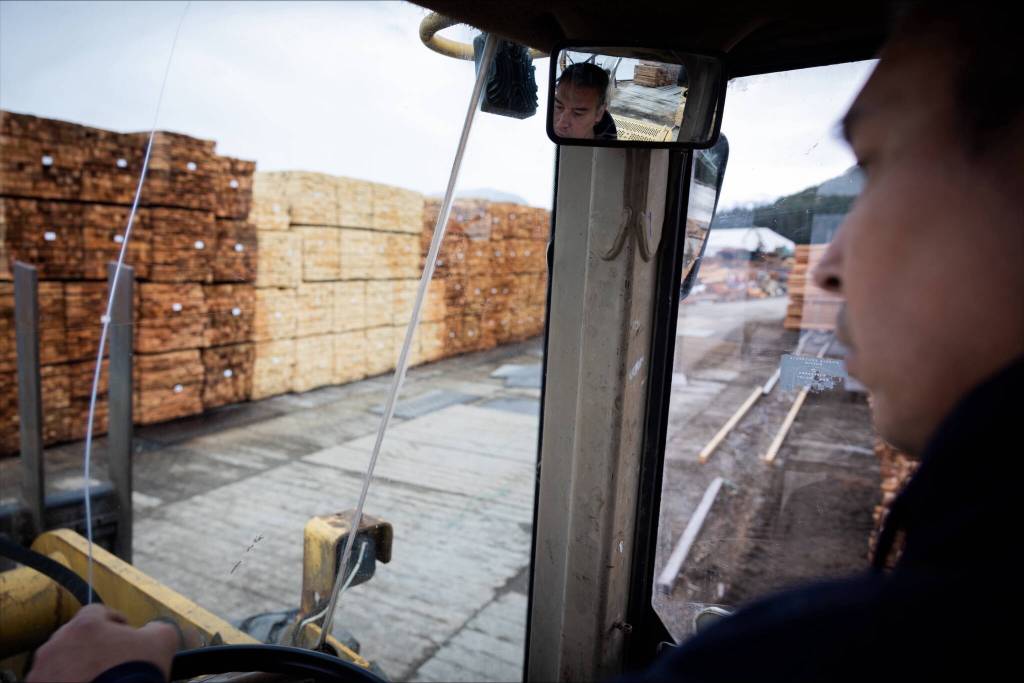
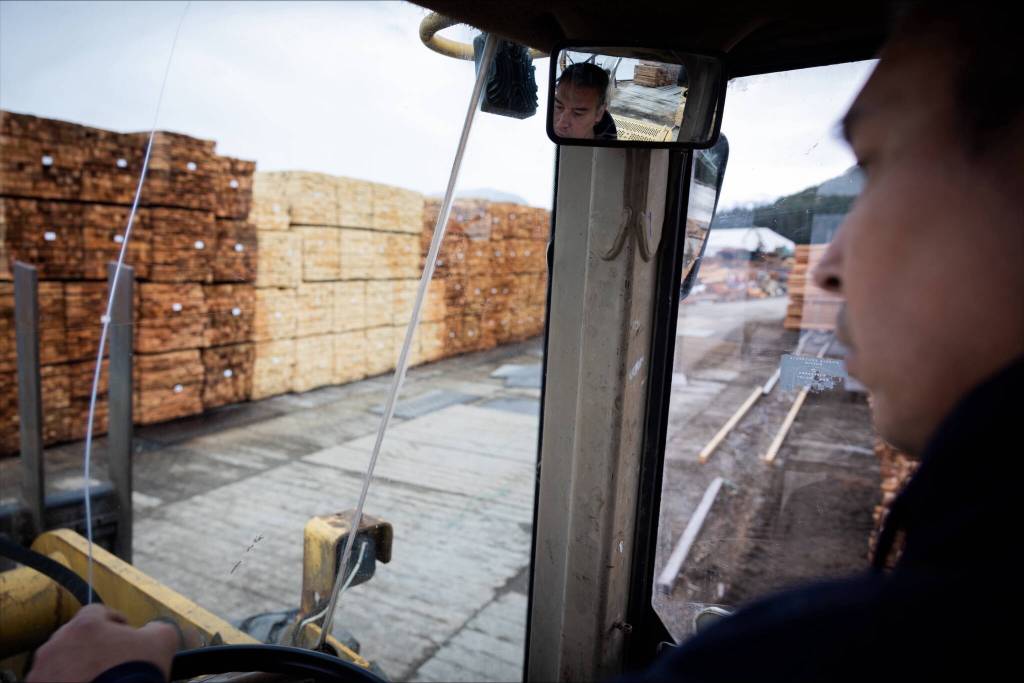
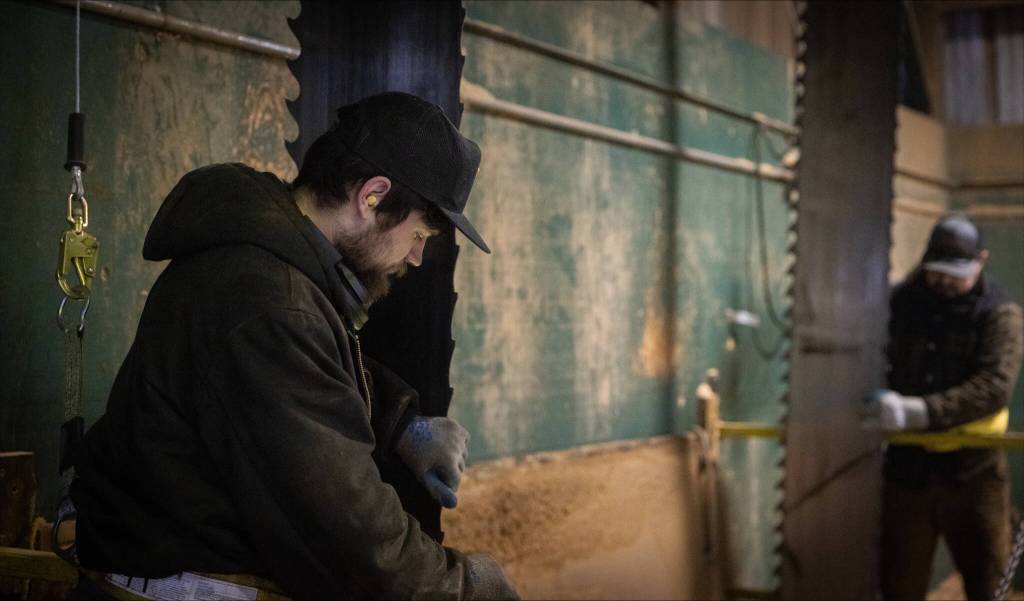
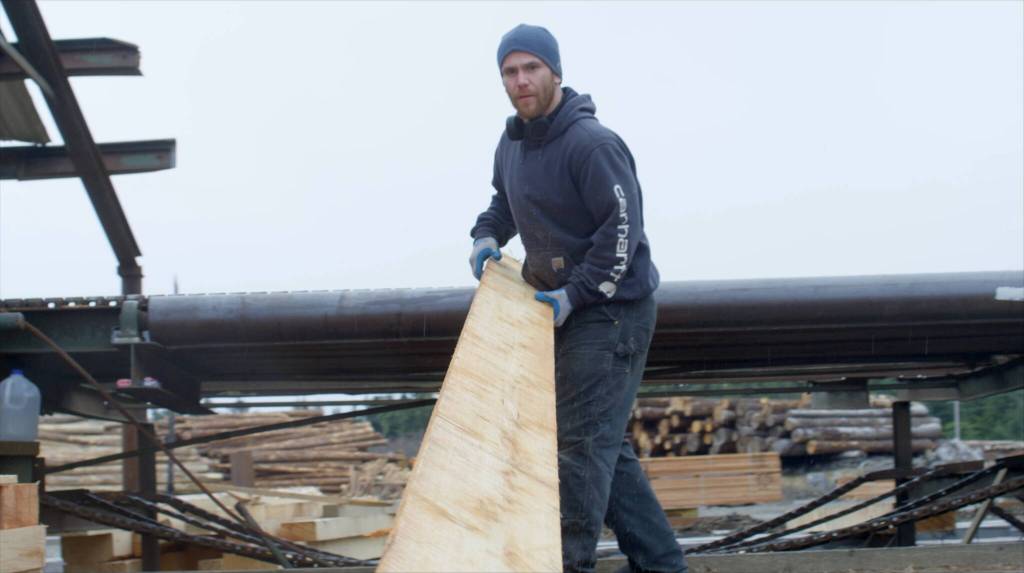


“Threads of the Tongass” is a series of stories that explore how lives in Southeast Alaska are interwoven with the Tongass National Forest during a time of political, cultural, and environmental change. This second article focuses on the role of timber operators in Southeast Alaska.
The final article will feature Southeast Alaska perspectives that take a holistic approach to federal, state, city, and tribal land management.
The Trump administration announced plans last month to rescind the 2001 Roadless Rule, changing the political landscape in the Tongass National Forest for the third time in five years.
The Roadless Rule prevents logging, road-building and mining on National Forest System lands. It was last repealed in 2020 and restored in 2023, and it has been subject to decades of debate.
Timber operators say the rescission could help a dying industry — if it passes through Congress.
Less than 1% of Alaska is privately owned, making state land ownership unique in the United States. The U.S. Forest Service owns approximately 78% of the available land, meaning timber operators are dependent on the federal agency for a majority of their supply.
Kirk Dahlstrom, co-owner of Viking Lumber Company in Klawock, said the agency is nine years behind on timber supply for the entire Southeast Alaska industry. He said his business will not survive if land management remains under Forest Service control.
“We got starved to almost nothing,” he said.
“Wood of the Tongass is music to the world”
Viking is the last remaining sawmill in the world that can produce the high-quality Sitka spruce needed for soundboards on Steinway and Sons grand pianos in New York, according to Dahlstrom and letters of support from his customers and family.
Viking is the sole supplier for Kawai Piano in Japan. The company also provides some wood for Yamaha and Boston Piano. In addition to pianos, approximately 95% of acoustic guitars feature a soundboard made from Sitka spruce, according to Dahlstrom.
Sarah Dahlstrom, Kirk’s daughter, grew up on the sawmill. She said Viking not only provides the world’s music, but Sitka spruce is also used for space exploration and national security.
“It’s used in the tunnels for NASA to have them practice flying in space — turbine,” she said. “That’s because it is the strongest wood in the world. So it’s used in aircraft and boats because of this reason as well. The other thing it’s used for is national security, so it’s used in submarines and missiles. It’s also used in helicopter blades, and that’s for fighting fires or delivering supplies to troops.”
Kirk Dahlstrom moved to Alaska in 1994, transforming the bankrupt Viking into a specialty sawmill that provides jobs to rural Alaskans and employees of the mill’s contractors.
He said the company harvests a sale, which is a combination of timber species found in Alaska, including western hemlock, Sitka spruce, western red cedar, and Alaska yellow cedar. He said Viking’s red cedar is distributed to more than 30 states, and the hemlock for doors, windows, and mouldings is distributed to about 40 states, including Alaska.
Both Dahlstroms said Forest Service inaction has not only harmed the timber industry but also affected schools and communities.
Wood chips from Viking are used to heat schools and the public swimming pool in Klawock, while the dried bricks from sawdust are used to heat homes throughout Southeast Alaska.
Sarah Dahlstrom was in seventh grade when she moved to Prince of Wales Island, and “the economy was booming.”
“Our schools were funded by timber receipts through the PILT (Payments in Lieu of Taxes) program, and because of that, I was able to play every single sport and travel to almost every town in Southeast Alaska to play sports every weekend,” she said. “During that time, because my class was so big, our school, Craig High School, actually got approval to build a very large high school.”
But by the time she graduated, logging had taken a downturn, “so much in Southeast that a lot of people had moved away. My graduating class was 25 people,” she said.
Kirk Dahlstrom said the uncertain future for the timber industry impacts his employees and their families, with 48 employees at the sawmill and another 100 working as surveyors, engineers, and those who build logging roads, as well as loggers, truckers, and barge companies, among others.
He said the businesses they supply across the nation include almost 3,000 jobs used for manufacturing pianos, selling the wood, and remanufacturing the wood into moulding and doors.
Tessa Axelson, executive director of the Alaska Forest Association, said Viking’s products are unique and the “wood of the Tongass is music to the world.”
Stumped on how to meet future demand
Pacific Legal Foundation filed a lawsuit on March 6 against the U.S. Department of Agriculture on behalf of AFA. Viking Lumber Company and Alcan Timber of Ketchikan joined.
The plaintiffs argue that the Forest Service violated the law by announcing the Southeast Alaska Sustainability Strategy in 2021 without offering sufficient large old-growth timber sales to meet the government’s estimated market demands.
On May 20, USDA filed a motion to dismiss. The government argues the timber industry hasn’t identified any specific Forest Service action to challenge, according to the motion.
Earthjustice intervened in the lawsuit on May 28, supporting the government’s dismissal.
The motion to intervene is to “ensure a robust defense of the scope of the Forest Service’s authority to manage old-growth on the Tongass,” said Kate Glover, senior attorney with the Earthjustice Alaska Office.
Glover said Earthjustice is representing a coalition of conservation groups, Alaska tribes, a commercial fishing advocacy group, and an ecotourism operator who see old-growth forests as significant to preserve.
“The trees are more valuable standing for climate, for tribal ways of life, for fisheries, for tourism, than they are cut down and turned into whatever products they’re going to be turned into,” Glover said.
On June 24, Pacific Legal Foundation filed a motion to oppose the dismissal for failure to state a claim.
Pacific Legal Foundation attorney Frank Garrison said the request is clear — it asks to return to the 2016 Tongass Land and Resource Management Plan so the timber industry can be provided with old-growth and new-growth timber.
The plan promised to produce 46 million board feet annually, and since 2016, approximately 20 million feet have been produced.
“You cannot run businesses without having a guarantee of supply, and ideally, you need that supply guarantee at least 18 months in advance,” Axelson said.
According to AFA, the Southeast Alaska timber industry requires between 50 and 60 million board feet per year to operate — a mix of old-growth and young-growth timber.
Axelson said the timber operators AFA represents are small-business owners, and the lawsuit does not seek to return to commercially clear-cutting old-growth forests. Even if the Roadless Rule is rescinded, she said she does not see that as a viable option.
She also said she believes there are misconceptions about how much of the Tongass can be developed.
The Tongass National Forest is 16.7 million acres. A previous Empire article stated the Roadless Rule grants protections from development to 9.3 million acres of the Tongass. But Axelson said that figure doesn’t include the millions of acres of ice fields and alpine terrain, or other landforms without merchantable timber, such as muskegs and small islands.
“If the Tongass National Forest were, for example, a football field, there are only 3.4 yards of that total 100 yards in a football field that are available for timber harvest, and there’s only less than an inch of it that is available for harvest in any given year,” Axelson said.
Pacific Legal Foundation attorney Frank Garrison said sales didn’t materialize for the industry from 2016 to 2021, and the Sustainability Strategy contradicted the management plan by ending large-scale old-growth timber sales in the Tongass National Forest.
“You pass a management plan and we say, ‘Hey, OK, this is what we can expect for the next 10 years or so,’” Garrison said. “And then you just pull the rug out without going through those procedures.”
He said it’s “crushing people like Viking and Alcan, who just don’t have the timber to operate their business.”
With the Trump administration’s vow to increase timber production, agencies may be required to revert to their current management plans. Garrison said the industry is left waiting.
For now, the Mental Health Trust of Alaska and the Alaska Department of Natural Resources are offering sales to sustain the industry.
Eric Nichols, co-owner of Alcan Timber, spent 18 months working on the forest management plan as a member of the Tongass Advisory Committee.
Nichols said the forest management plan envisioned a gradual transition from old-growth forest to new-growth forest, but the Sustainability Strategy altered that without public input. Unlike Viking, his company does not own a sawmill. It owns equipment used for marketing and logging timber. He said after the Sustainability Strategy, there were no large sales for young-growth timber, either.
He said he spent “a couple million dollars in brand new equipment to economically harvest young-growth timber, and that equipment is sitting.”
Nichols said he has about a dozen employees today compared to 80 a decade ago. Four partners began Alcan in 2002 after the pulp mills shut down in Southeast. Since then, Nichols said they have operated and bought timber “from Yakutat all the way down into Ketchikan.”
He said the odds of the Roadless Rule passing through Congress are extremely low.
“I’m 68 years old, and if you think that I’m going to believe a tooth fairy again, it’s not going to happen,” he said. “The environmental groups will litigate it and litigate it and litigate it unless Congress passes a bill that solidifies it in law. It’s just been a ping-pong ball for the last 24 years here.”
[Read the first article of the series here.]
• Contact Jasz Garrett at jasz.garrett@juneauempire.com or (907) 723-9356.