
Salaries at Eaglecrest are effectively about 40% below other U.S. ski areas, due to a combination of lower wages and higher living costs, according to a study presented to Juneau Assembly members Wednesday.
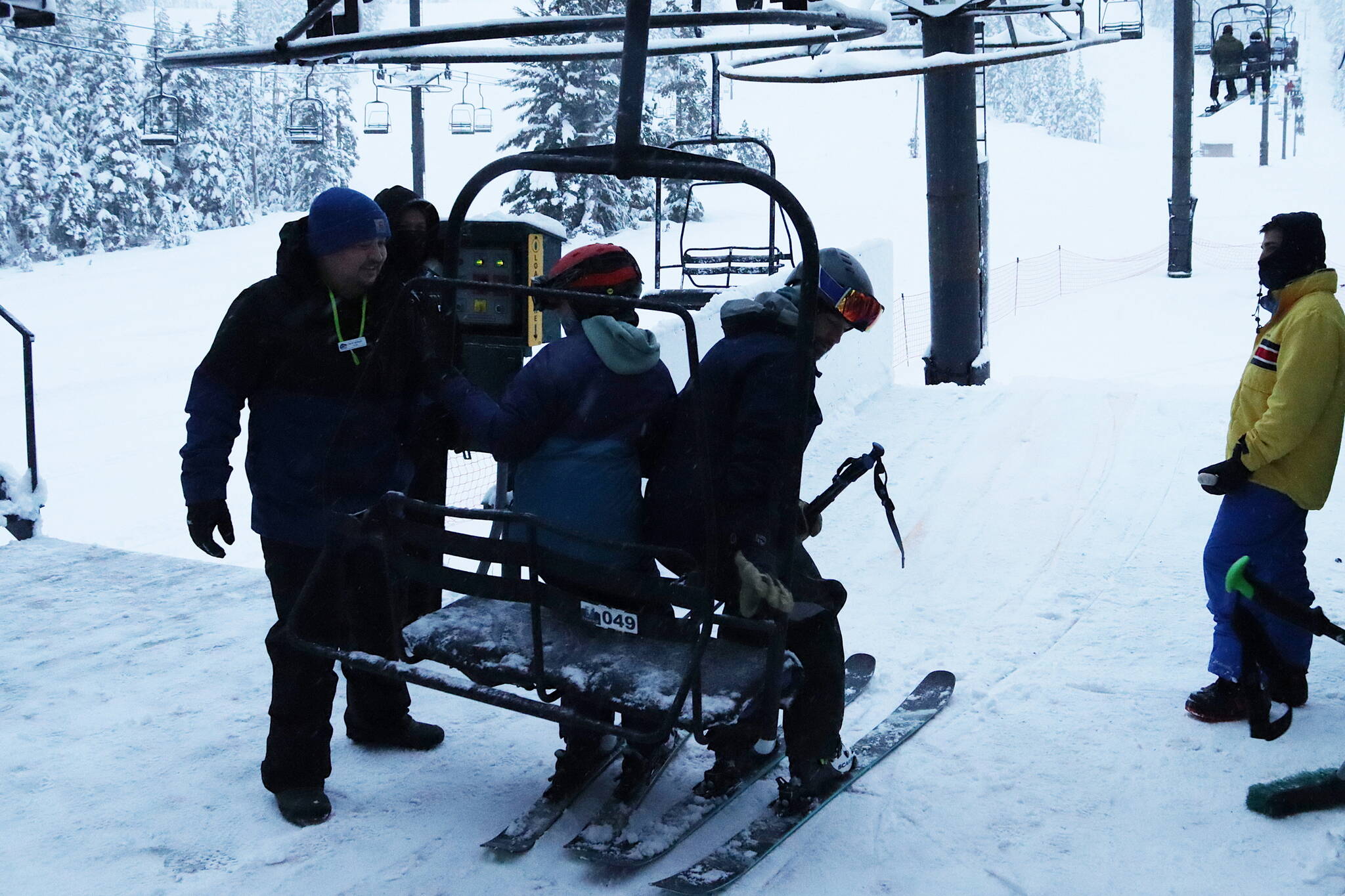
Eaglecrest’s wages are an average of 14% lower than the national average at 83 resorts, while the cost of living is 25% higher, according to the study published Jan. 4 by Sierra Research Associates LLC. The gap is significantly larger for some of Eaglecrest’s lowest-paid employees including lift operators who earn an average of $13.06 an hour (25% below the national average) and rental technicians making $13.63 an hour (22% below).
“Without a significant effort to adjust wages and salaries to reach a competitive level with similar resorts it will be an ongoing challenge to attract or retain qualified team members and management talent,” an executive summary of the study states.
Among the other wages in the study are vehicle mechanics at $17.67 an hour (22% below the national average), non-certified ski school instructors at $13.49 an hour (22% below), ticket sellers at $14.05 an hour (19% below), snowmakers at $17.67 an hour (20% below), lead line cooks at $18.47 an hour (21% below) and level-three ski instructors $18.47 an hour (21% below).
Eaglecrest made national headlines in 2021 due to employee shortages and pay that was below the state’s minimum wage, with the city-owned ski area subsequently increasing all wages within weeks. The updated salary study was presented to Juneau Assembly members during a joint meeting with Eaglecrest’s board of directors, who acknowledged ongoing and significant staff shortages continue to be a pressing short-term issue.
However, there are offsetting factors to the wage gap, including Juneau’s appeal for lower-paid seasonal employees who often are recruited from other states or aboard, said Hannah Shively, an Eaglecrest board member who presented the findings. Also, Eaglecrest being a modest city-owned resort where revenues are reinvested locally is an allure to some workers in lieu of corporate-owned resorts in premium-priced destinations.
“You get to work at a really cool place, you get to join this community and when you look at the scene of it you’re not boosting the stock prices of Vail, you’re directly contributing to being a resource for a community that you’re now a part of too,” she said. “Strategically we don’t need to beat out our competitors on wages alone because we already beat them out in a lot of other ways.”
Also, the wages for year-round employees, especially key positions such as ski patrol members, are close to the industry average in the study, Shively said.
While Eaglecrest sets the salaries for its employees, the Assembly approves the ski area’s budget. During the past couple of years discussions about wages have resulted in the Assembly approving some extra funds intended for wages, while asking the ski area to fund some of the increase through higher fees or other measures.
Among the issues highlighted during Wednesday’s meeting is Eaglecrest’s plans for warm-weather operations following the purchase of a used gondola the resort hopes to put into service during the 2025-26 ski season. Large-scale summer tourism is expected through an agreement with Goldbelt Inc., which paid $10 million to cover the vast majority of the installation costs in exchange for a share of the summer revenue for at least 25 years.
Assembly member Wade Bryson asked if the gondola operations — which would add six months of full-scale commercial operations to a ski season expected to be 80 days this year — will allow Eaglecrest to remedy the salary gap with the resulting revenue. Michael Satre, chair of Eaglecrest’s board, said that will be the case — but the bigger potential benefit may be opportunities for seasonal workers to stay at the resort beyond the winter.
“Right now we have seasonal employees that with that early start of the tourism season for training and setup (elsewhere), they’re leaving before we’re done,” he said. “And that’s another one of our challenges, so to have that year-round operation would really assist us going forward.”
• Contact Mark Sabbatini at mark.sabbatini@juneauempire.com or (907) 957-2306.
