Scientists: Southeast Alaska vulnerable to ocean acidification
Published 8:45 am Thursday, February 21, 2019
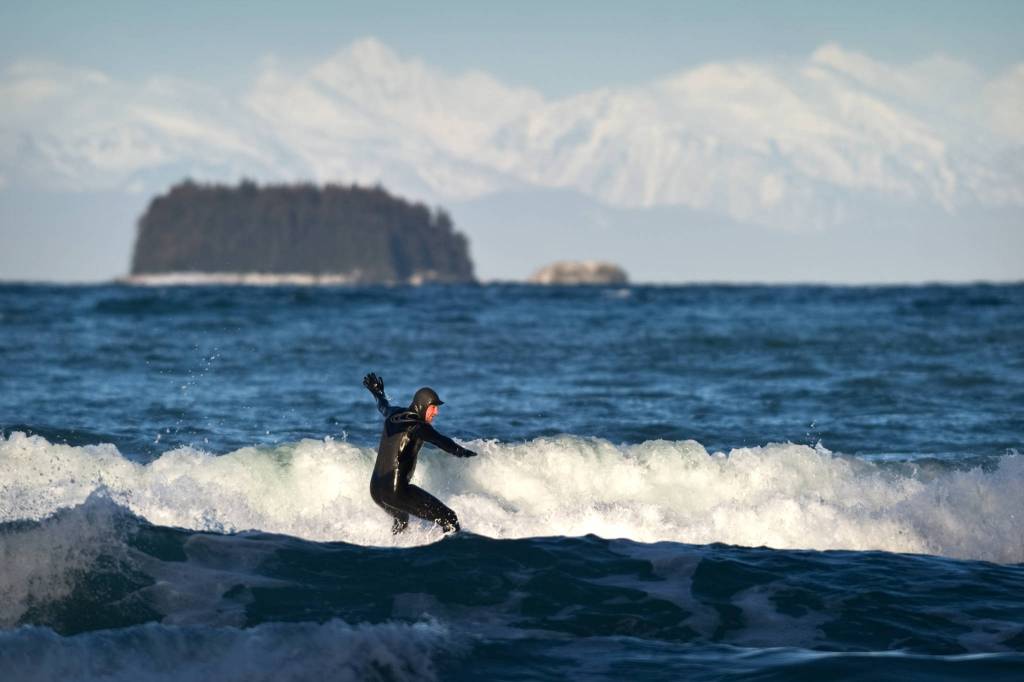
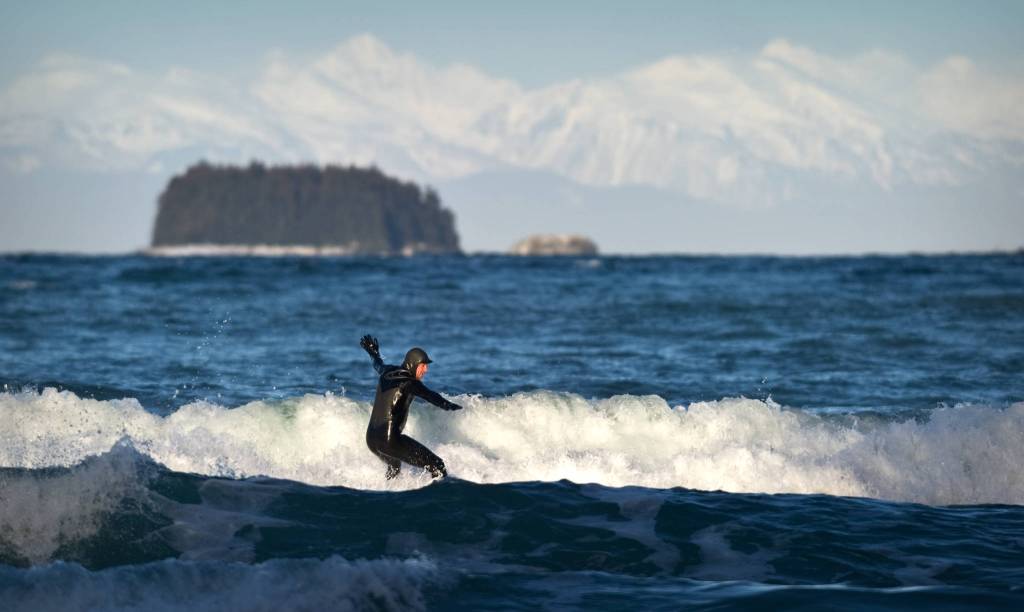



Southeast Alaska is poised to be among the first regions in the world affected by ocean acidification.
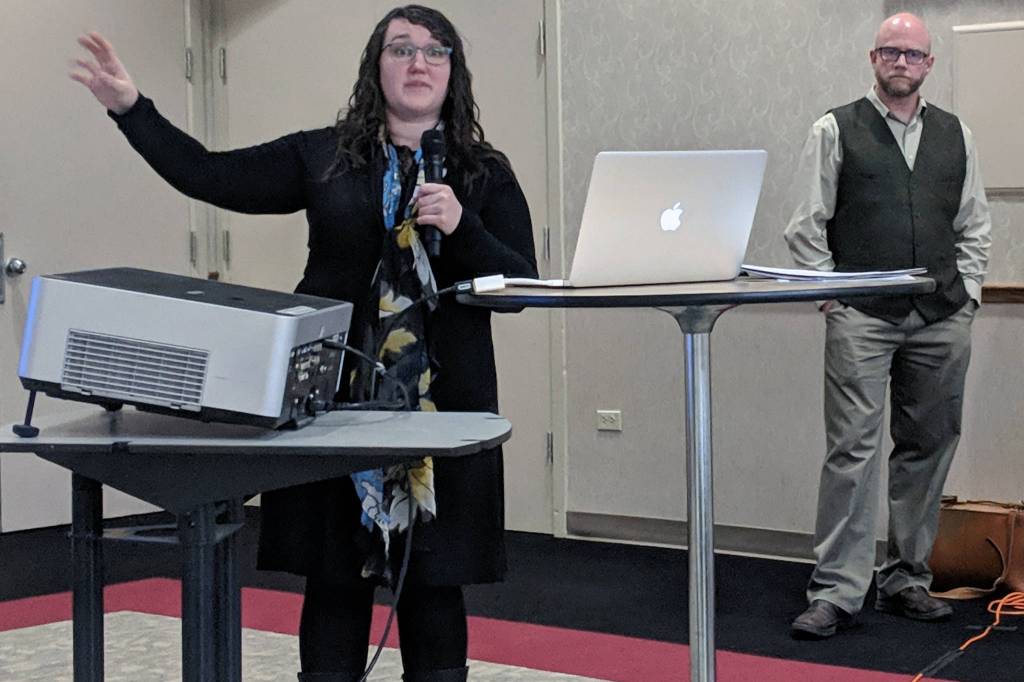
The Alaska Ocean Acidification Network hosted a public presentation Wednesday about the phenomenon that is making ocean water more acidic, and Alaska scientists explained why Southeast is likely to be impacted more quickly than other parts of the world.
[Opinion: Ocean acidification is happening]
Ocean acidification occurs when water absorbs carbon dioxide, which causes the water to become more acidic, and Southeast Alaska waters are uniquely positioned to be particularly susceptible to it, said Jessica Cross, an oceanographer for National Oceanic and Atmospheric Administration’s Pacific Marine Environmental Laboratory.
“There’s a couple of reasons for that,” Cross said. “One of them is glacial discharge. The second reason Southeast Alaska is more vulnerable to ocean acidification than other areas around the state is because of the communities themselves. When we talk about OA risk, we’re very interested in communities that rely on threatened species or threatened marine resources for economic value, cultural perspectives or subsistence food sources.”
Also, Cross said there are a few factors that make the water in the area naturally more acidic.
“I like to say Alaska waters are old and cold,” Cross said after the presentation.
Alaska is near the end of “the global ocean conveyor belt,” which is a constant motion that moves water around the world. By being at the end of the line, Cross said water has extra time to absorb carbon dioxide by the time it gets to Alaska and colder temperatures further allow for additional carbon dioxide to be absorbed.
The rate at which ocean acidification is happening and its exact effects are still being understood, said Cross and Bob Foy, director of NOAA’s Alaska Fisheries Science Center.
Researchers are investigating how acidified water affects fish, crabs, clams, phytoplankton and other species.
Foy said experiments conducted across multiple years in a Kodiak lab indicated more acidic water resulted in fewer Tanner crab eggs hatching as well as in crabs that were smaller and more brittle.
“We’re finding the mechanics of the claw in the tanner crab is negatively affected,” Foy said.
[State Rep talks about “frightening” state of oceans]
That could make crabs less successful at cracking open bivalves, Foy said, which the crabs rely on for food.
Similarly, there is some evidence that acidic waters may be resulting in smaller clam sizes in northern Alaska, which walrus eat, Cross said.
Foy said ocean acidification can negatively impact walleye pollock behavior and sense of smell in salmon.
However, Foy said ocean acidification isn’t necessarily bad for every ocean animal.
While red king crabs seem more susceptible to its effects, snow crab seems to be barely affected, and Foy said how animals will adapt to acidic water in the wild across many years is unclear.
“We don’t know how these animals will respond in real life,” Foy said.
Plus, many species have yet to be studied through the lens of ocean acidification at all, scientists said.
Ongoing research is being conducted across multiple fronts with drones, sea drones, surface water samples and ships.
One of the newest research efforts even makes use of an Alaska Marine Highway System Vessel.
[M/V Columbia starts its study of ocean acidification]
Allison Bidlack, director of the Alaska Coastal Rainforest Center at University of Alaska Southeast, talked about how placing research instruments on the Alaska Marine Highway System’s Columbia is allowing researchers to keep track of how acidic water is around Southeast Alaska across many weeks.
Its offered some local insights, too.
“Lynn Canal tends to be really corrosive,” Bidlack said. “There are other places that aren’t so much, and those are being affected by fresh water discharge or maybe just ocean currents, and we’re learning about all of those things.”
While a lot is still being learned about ocean acidification, Darcy Dugan, director of the Alaska Ocean Acidification Network, did have some advice for the crowd at Elizabeth Peratrovich Hall about what people can do on an individual level to help improve the situation.
“Circulate information with your friends,” Dugan sad. “Talk to our congressional delegation about ocean acidification funding and policy, or talk to your friendly Legislature that’s not too far away from here and support green energy policies at the local, state and national level.”
• Contact reporter Ben Hohenstatt at (907)523-2243 or bhohenstatt@juneauempire.com. Follow him on Twitter @BenHohenstatt.