
By Becky Bohrer
Associated Press
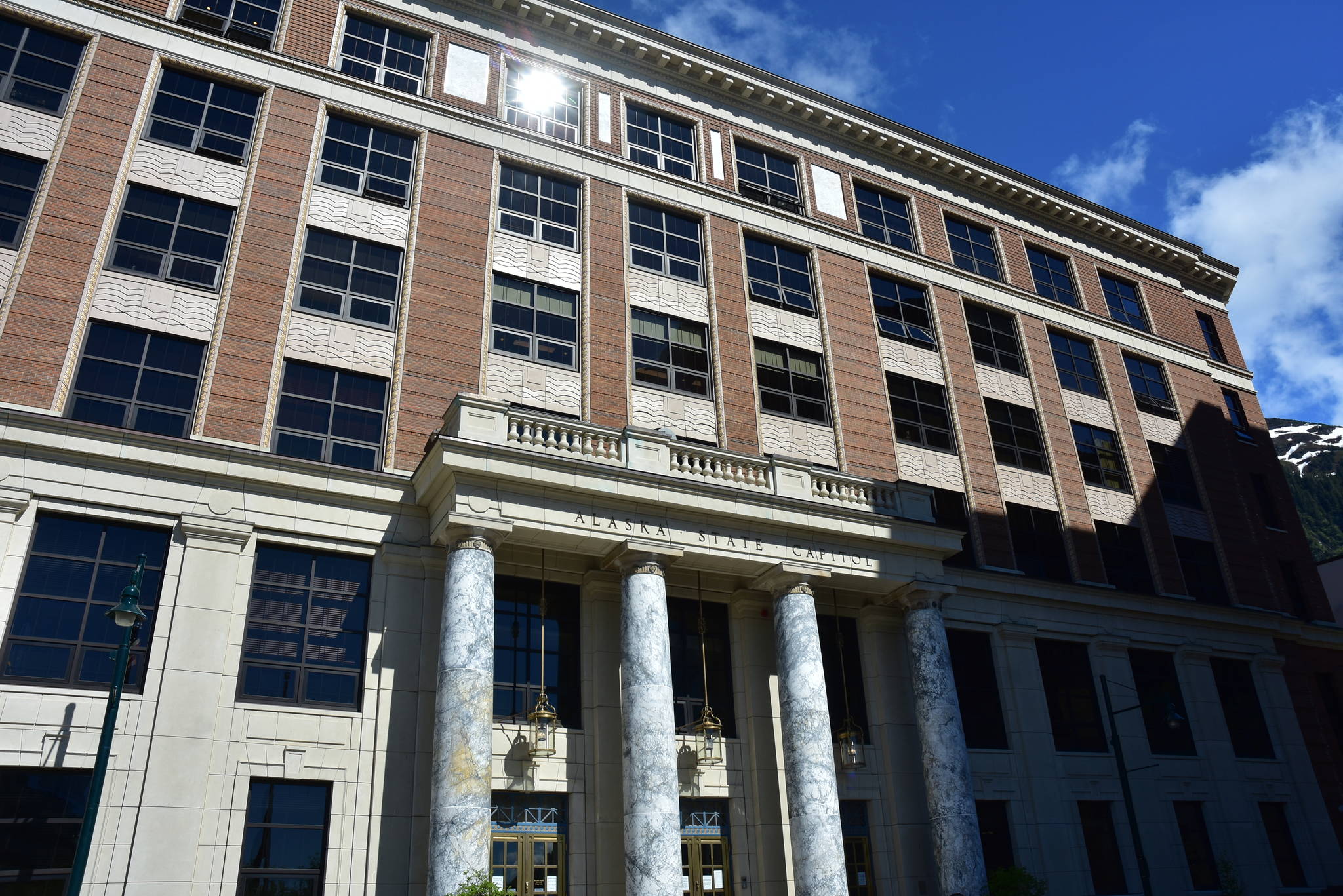
The Alaska House late Tuesday passed a state budget that would result in a $525 dividend to residents this year and leave in doubt funding for a number of programs and infrastructure projects after it failed to garner sufficient support on a key vote.
House leaders left open the potential for continued talks or even possibly another vote as the special session neared its end. Special sessions can last up to 30 days. That limit would be reached on Friday.
“We’re gonna look for a resolution that we can all live with and be happy with, and the people of Alaska will be very grateful to us,” said House Speaker Louise Stutes, a Kodiak Republican.
“My hope is that the talks don’t stop,” House Minority Leader Cathy Tilton told reporters after the floor session, adding later: “I would hope that we would come together and have serious conversations, where all voices are being heard.”
Dividends typically have been paid using earnings from the state’s oil-wealth fund, the Alaska Permanent Fund. But the budget agreement that advanced from a six-member conference committee on Sunday cobbled together money for dividends of about $1,100 from various sources, including the constitutional budget reserve fund that requires three-fourths support in each the House and Senate to tap.
But that so-called three-quarter vote failed Tuesday night in the House, where 30 votes were needed. The vote was 24-15.
The Legislative Finance Division has said a failure to reach the three-quarter vote threshold would mean $525 dividend checks this year. The last time the check was in the $500 range was in 1986.
Tilton, a Wasilla Republican, said the conference committee made fund-source choices that were not necessary. The budget proposal tied strings to funding for programs beside the dividend, including oil and gas tax credits and some infrastructure projects, making them subject to the three-quarter vote.
Rep. Ben Carpenter, a Nikiski Republican, called the approach risky and said that was the choice of the budget proposal’s crafters. Carpenter said he felt that minority Republicans were not meaningfully included in the process.
But Rep. Ivy Spohnholz, an Anchorage Democrat, said House members did have choices, including whether to support an $1,100 dividend and to keep pots of money from being swept into the constitutional budget reserve.
Under the state constitution, funds taken from constitutional budget reserve, which lawmakers have relied on for years to fill budget gaps, are to be repaid. The budget plan included language that has been used in prior budget cycles meant to prevent a long list of accounts used for such things as student scholarships and rural electric costs from being swept into the reserve fund. The three-quarter vote also was needed to do this.
The statutory budget reserve is among the pots considered subject to the sweep. At the start of the current fiscal year, it was empty, according to the Legislative Finance Division. But the budget proposal resuscitated it, in part with money previously authorized to be spent but not needed in the current year, the division’s director, Alexei Painter, has said.
The budget proposed spending $739 million on dividends, with $320 million from the statutory budget reserve, $48 million from the constitutional budget reserve and the rest from the state general fund.
The House, originally set to meet Tuesday morning, convened around 7:30 p.m., following a day marked by closed-door meetings between lawmakers as they evaluated options for securing votes and completing their work ahead of the Friday special session deadline.
House Majority Leader Chris Tuck told reporters before the floor session that a failed vote would mean lawmakers would need to keep negotiating.
The Senate was expected to take up the budget Wednesday. The House also adjourned until Wednesday.
The House also failed to win support for a procedural effective date vote.
In 2018, lawmakers began using permanent fund earnings, long used to pay dividends, to help cover government expenses, and sought to limit withdrawal amounts for dividends and government costs. The withdrawal limit for the fiscal year starting July 1 is about $3.1 billion.
One of the big debates surrounding the budget was whether to exceed that limit. Painter has said the withdrawal limit would be adhered to under the budget plan.
The budget plan also would move $4 billion from spendable permanent fund earnings to the fund’s constitutionally protected principal. Such transfers aren’t subject to the withdrawal limit.
There was an estimated $11.3 billion in uncommitted funds in the permanent fund’s earnings reserve as of April 30, according to the Alaska Permanent Fund Corp.
