
A proposed hike in the state’s gasoline taxes might not reach full potential until 2019, according to a new draft of the proposal.
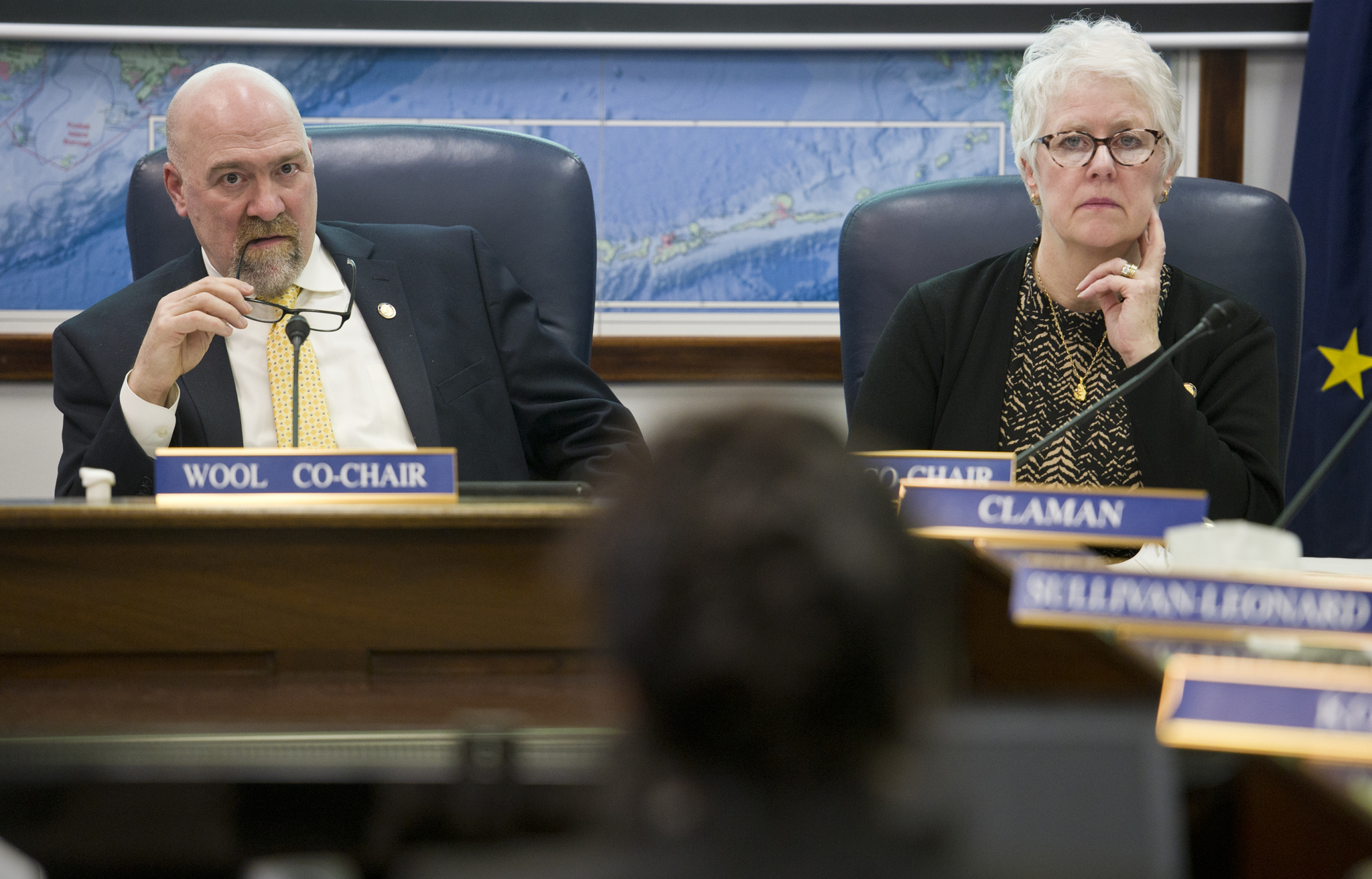
On Tuesday, the Alaska House Transportation Committee heard details of a new version of House Bill 60 drafted by committee staff.
As introduced by Gov. Bill Walker, HB 60 would triple Alaska’s lowest-in-the-nation gasoline tax. The state tax on a gallon of gasoline is 8 cents today. That figure hasn’t changed since 1970, though the Legislature has added other per-gallon fees.
Taxes on jet fuel, aviation gasoline and marine diesel would also be tripled. Home heating oil is not included in the tax.
Under HB 60, proceeds from the 24-cent-per-gallon tax would be designated to different parts of the Alaska Department of Transportation. Taxes collected on gasoline would go to highways. Taxes on aviation gasoline would go to airports.
The original version of the bill called for the tax to be doubled to 16 cents per gallon on July 1 this year, then increased to 24 cents per gallon on July 1, 2018.
The new version doesn’t increase the tax to 24 cents until 2019, something that Rep. Adam Wool, D-Fairbanks and co-chairman of the House Transportation Committee, said is designed to give taxpayers a chance to adjust “instead of going boom-boom, year after year.”
The draft version presented Tuesday also would allow commercial fishermen to apply for a 3-cent-per-gallon rebate from the state.
That provision was inserted by Rep. Louise Stutes, R-Kodiak and the committee’s other co-chair.
Lawmakers will consider amendments to this new version of the fuel tax and, if they agree, are expected to send it to the House Finance Committee as soon as Thursday.
While other proposed tax increases are tied up in debates about the state’s overall budget situation and may not see significant movement until the very end of the Legislative session, Wool and other lawmakers consider the fuel tax a separate issue.
Because it only raises between $40 million and $80 million per year (about 3 percent of the state’s $2.7 billion deficit) and because the money it raises is designated for transportation, there has been little organized opposition to the proposal.
Even the tax-averse Senate Majority has characterized the fuel tax hike as a “user fee” rather than a true tax.
The most significant opposition to HB 60 has come from large airlines. On Tuesday afternoon, representatives from Alaska Airlines sat down with the Empire and said their company would pay 45 percent of all proceeds generated by the tax hike.
That’s because jet fuel for international flights is exempted from state taxes, and Alaska Airlines is the largest single motor fuel consumer in Alaska.
(UPS and Delta Airlines have also opposed the hike, but for different reasons, and UPS has said it doesn’t oppose the increase in the gasoline tax.)
Joseph Sprague, senior vice president of communications and external relations for Alaska Airlines, said his company is planning to spend $100 million on a new Anchorage hangar and 11 new rural airport terminals by 2020. Because those terminals are used by other airlines at rural airports, Sprague said Alaska Airlines believes it’s already investing in infrastructure — and infrastructure investment is the stated goal of the tax hike.
In other words, Alaska Airlines feels the state is double-dipping.
Sprague said the company’s position is “challenging” because it will suffer if Alaska fails to balance its budget and plunges deeper into recession. Alaska Airlines supports a business organization called Alaska’s Future that advocates spending some of the earnings of the Alaska Permanent Fund to partially balance the budget.
“We will support that,” said regional vice president Marilyn Romano.
She said the company has met with Gov. Bill Walker to explain its position on both the fuel tax and the overall budget picture.
“He understands that this is not personal; it’s business,” Romano said. “He knows that we actually support almost everything he’s trying to do. With the exception of this one area.”
• Contact reporter James Brooks at james.k.brooks@juneauempire.com or 419-7732.
