Fighting for funding: How proposed budget would affect the University of Alaska
Published 3:00 am Friday, March 1, 2019

Alaskans understand that something needs to change when state expenditures exceed revenue.
However, Gov. Mike Dunleavy’s proposed $1.6 billion cut to the state budget is short-sighted and likely to push Alaska further into recession. The proposed cuts disproportionately target vital services such as education and health care. Given the state of Alaska’s economy, this is the wrong time to divest in education. Education is a job creator, all the more important as we modernize and diversify Alaska’s economy, and transition, alongside the rest of the developed world, into a future independent from oil.
[Governor proposes cutting almost half of university’s total operating budget]
The governor’s budget would cut state support for the University of Alaska system by 41 percent. The university drives Alaska’s economy by generating $1.1 billion annually in economic activity. UA trains and educates a workforce for public- and private-sector professions, including industries that drive Alaska’s economy such as seafood, healthcare, natural resource management and top-notch scientific research.
UAS research brings millions of externally-funded dollars into our community annually. College Magazine listed UAS as one of the 10 best schools in the U.S. for studying marine biology, citing opportunities for hands-on laboratory and field research. In addition, UAS’s unique proximity to glaciers, marine environment and the 17-million acre Tongass National Forest allows for research in ecology, oceanography, glaciology, environmental chemistry and geochemistry, alpine hydrology and others fields. A budget cut of the proposed scale will lead to loss of research faculty and their funding. In addition, a lack of state support will most certainly jeopardize future matching grants. The last thing Alaska needs is to lose even more revenue.
The fishing industry is a major driver of Alaska’s economy. In 2016, Alaska’s $4.2 billion fishing industry provided 57,000 jobs and attracted recreational fishers, which helped drive the tourism industry. UAS’s Fisheries Technology program prepares students for careers as technicians with emphases in Alaskan Salmon Enhancement and Fisheries Management.
Alaskans know that the fishing industry is changing as conditions in the marine environment change. University of Alaska, regarded as the world leader in Arctic research as well as a global leader in fisheries and marine sciences, focuses on vital research to help mitigate and adapt to these changes.
According to the Alaska Department of Labor and Workforce Development, health care-related industries are “hands-down” those with the greatest job growth in Alaska. The Alaska Primary Care Needs Assessment cites a strong need for nurses, nurse practitioners, and nurse assistants and expects continued growth as the industry expands and as older nurses leave the work force.
UA’s nursing program trains these nursing professionals, providing a much-needed workforce that’s committed to staying in Alaska. Student Kit Burroughs completed pre-nursing courses and looks forward to starting UA’s nursing program this fall. She says, “I need the university, and I want it to be a university that I can be proud to graduate from — with enough state support to keep up with evolving science and technology so when I graduate I’m equipped to compete in the labor market. Supporting education and health care directly supports everyone who calls this state home.”
To make your voice heard, contact your representatives in the House Finance Committee and Senate Finance Committee.
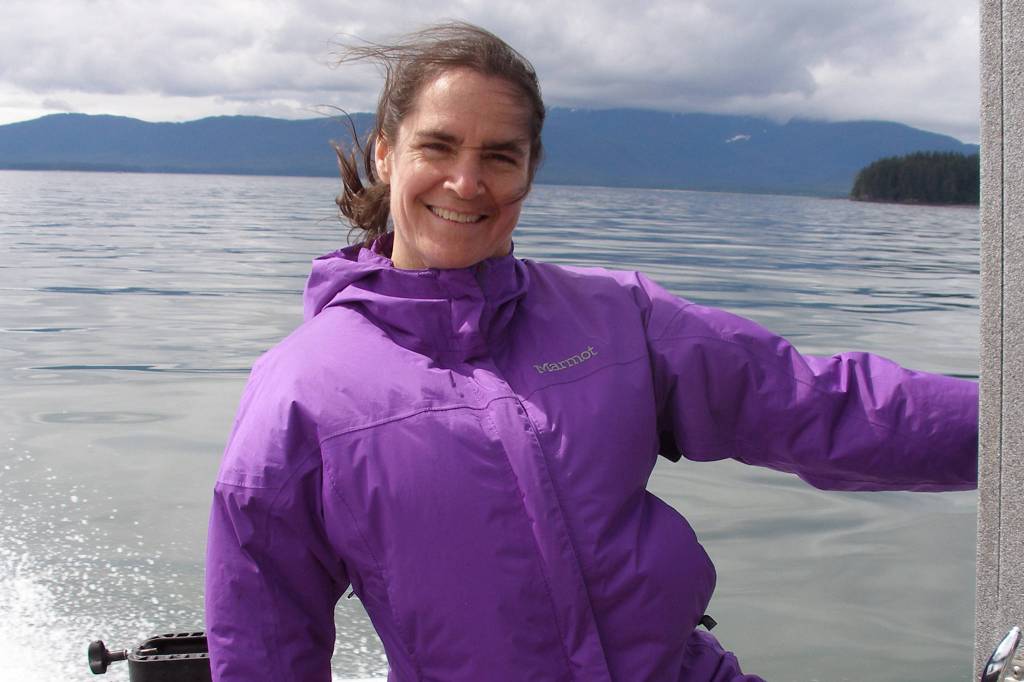
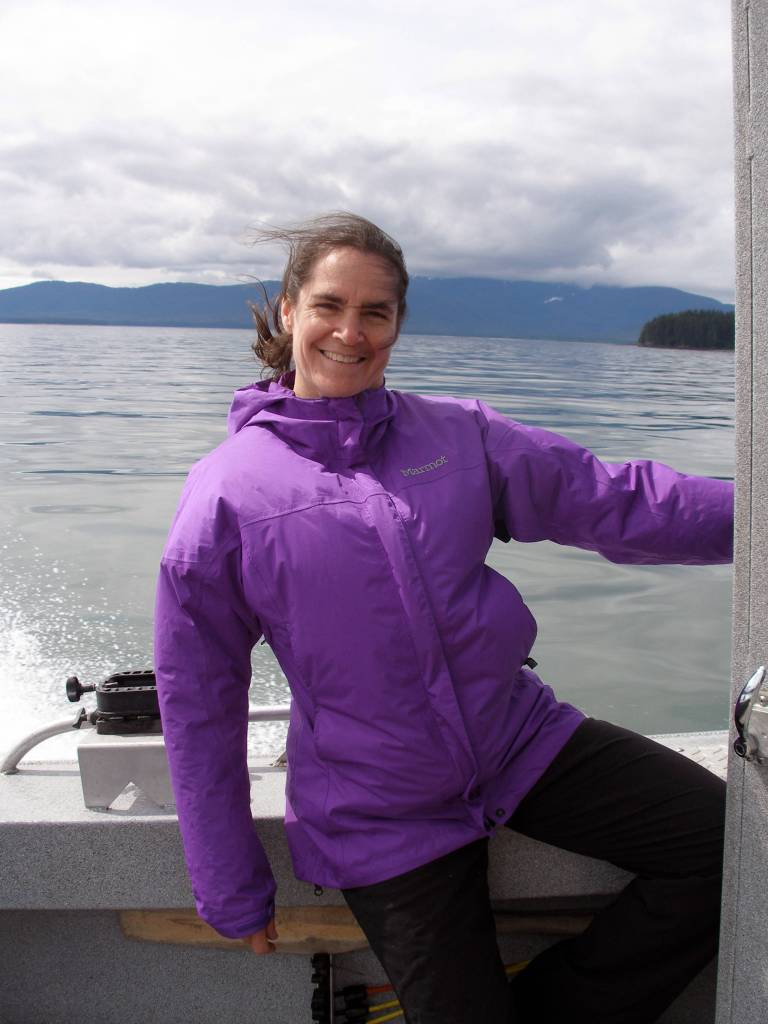
• Susan Kendig is a Term Assistant Chemistry Professor at the University of Alaska Southeast and lives in Juneau. “Sustainable Alaska” is a monthly column appearing on the first Friday of every month and written by UAS Sustainability Committee members. The views expressed here do not necessarily represent the views of the University of Alaska Southeast.