Deep ferry cuts on verge of going through
Published 4:00 am Thursday, May 16, 2019
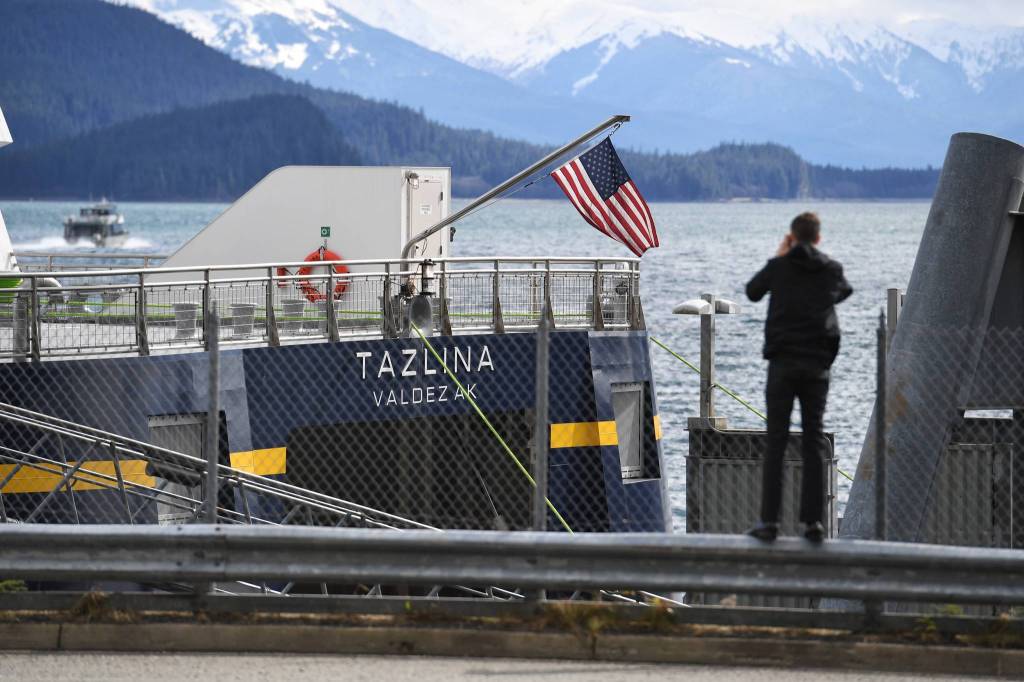
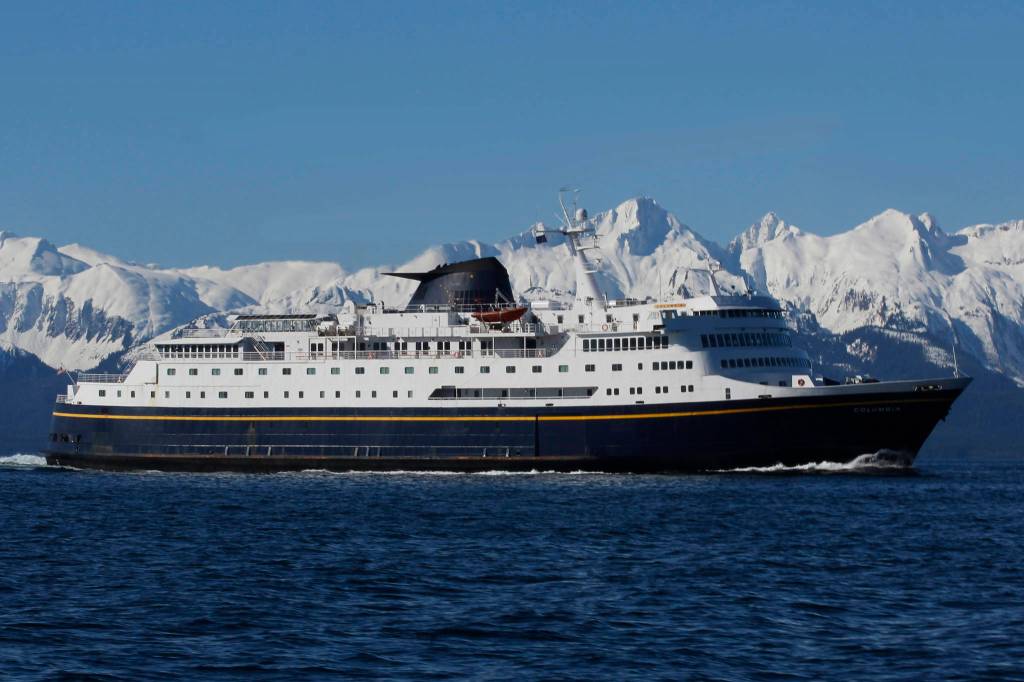


On Tuesday night, the Alaska Legislature’s budget negotiation committee adopted deep cuts to the Alaska Marine Highway System.
Those cuts — of about $44 million — weren’t finalized as of 5 p.m. Wednesday as the Legislature went deep into the night finalizing its budget and crime legislation. The cuts aren’t as severe as Gov. Mike Dunleavy’s proposal to simply cut off service at the end of September, but there are still concerns as to how reduced service in the winter will affect small communities in Southeast.
The $44 million cuts were proposed by the Senate Finance Committee last month, with a great deal of influence from Sen. Bert Stedman, R-Sitka. In proposing these cuts, Stedman said in an April meeting that “reduced service is better than no service.”
Robb Arnold, vice chair of the Inlandboatmen’s Union, said in a phone interview Wednesday that these impending slashes in funding pose a particular threat to smaller towns on the ferry route.
“The $44 million in cuts is going to be a sledgehammer to the system,” Arnold said. “I think what that’s going to really hurt is the communities that rely on this service.”
[Doom for the fast ferries: Two more go up for sale]
The Department of Transportation and Public Facilities would have to develop a schedule after the Legislature finalizes the budget line. Mary Siroky, the DOT&PF deputy director, told the Empire recently that under the Senate’s plan, the ferry runs that bring in the most money would get the most service this winter. The most lucrative runs are the ones from Bellingham, Washington, she said.
Runs to smaller communities are on the opposite end of the spectrum.
“Frankly, the village runs don’t make a lot of money, so those communities will probably see a little less service,” Siroky said.
Joshua Bowen, the mayor of Angoon, wrote a recent letter to the editor to the Empire that Angoon would be in deep trouble if ferry service is cut. The town doesn’t have a commercial barge landing and no air strip, he wrote.
“Angoon is just one of several Alaska towns in the same ferry-dependent boat,” Bowen wrote. “Stopping ferry service would be as destructive to our communities as shutting down Parks Highway would be to Mat-Su Valley.”
Arnold and Southeast Conference Executive Director Robert Venables both said they were concerned with how DOT&PF’s process would work. Venables, reached via text between meetings Wednesday, said public involvement is his biggest question about how DOT&PF will proceed in setting a schedule.
[As final budget decisions approach, ferry supporters flood Capitol steps]
Arnold said he hopes the department includes AMHS employees in the process as well. They’ve seen first-hand how important the ferry system is for people in smaller communities, from those traveling for medical reasons to those traveling for high school sports.
The plan for the winter is just the short-term approach, as the department has also brought in a consultant to examine the long-term future of the marine highway.
As part of Dunleavy’s plan, the state has contracted with Northern Economics to do a study into the best way to move forward with the marine highway. The other bidder, MAP Consulting LLC, submitted a lower bid but was passed over, the Associated Press reported last month. MAP Consulting is challenging the bid, according the report.
Arnold was passionate that the ferry system serves more or less as public transportation for many communities, and that even villages that don’t bring in a ton of money for the AMHS deserve to have access.
“The whole purpose of public transportation is, the least gets served too,” Arnold said.
• Contact reporter Alex McCarthy at amccarthy@juneauempire.com. Follow him on Twitter at @akmccarthy.