City needs to weigh role in social services, manager says
Published 10:30 pm Monday, June 22, 2020


The city needs to decide if it wants to become more involved in providing social services, City Manager Rorie Watt, suggested Monday at a virtual meeting of the City and Borough of Juneau Assembly Committee of the Whole.
With an increasing demand for an increasingly complex array of social services made worse by the COVID-19 pandemic, he said the city should decide how involved it wanted to be in helping to provide services local nonprofits are struggling to.
“COVID has put a lot of pressure on our social services, in particular sheltering service,” Watt said. “And that pressure is showing cracks in that system. We have very hardworking, very good local agencies who are doing the best they can with the resources they have.”
In the past, Watt said, the state was wealthy enough that local nonprofit organizations could provide services largely through state and federal grants. But funding for those organizations has gone down while the demand for services has gone up, Watt said, and issues such as mental health and substance abuse have added another layer of complexity to needed services.
Many of these issues already existed but have been made worse by the COVID-19 pandemic, according to Watt, who said the city was reaching the point where it may want to, “re-evaluate where our municipal footprint is sufficient to get the services that we think are appropriate for the community.”
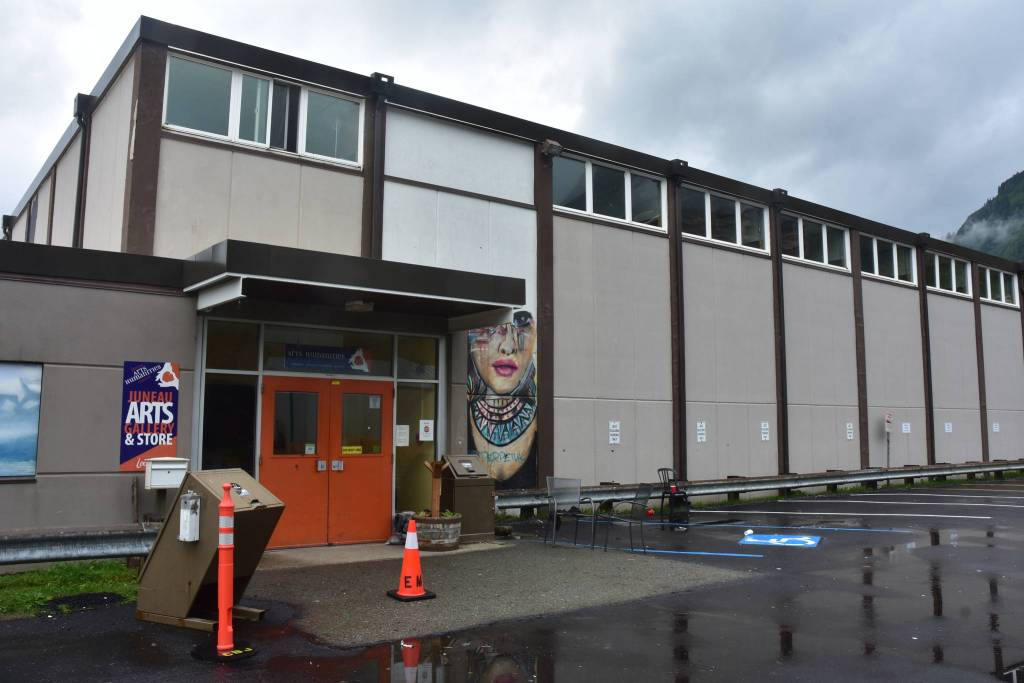
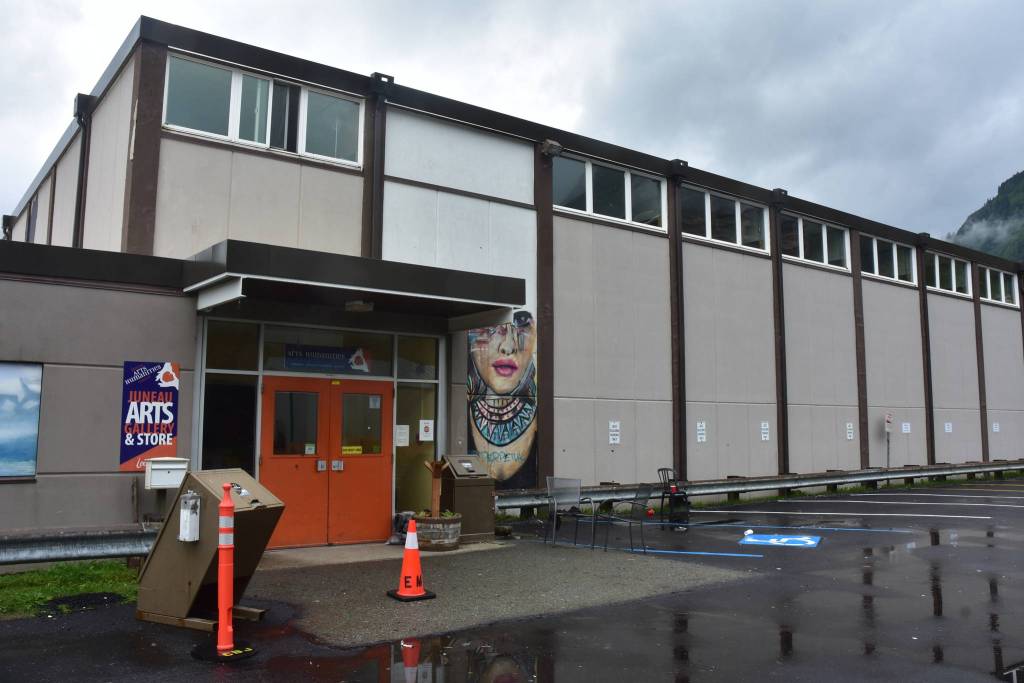
He gave the example of the Juneau Arts and Culture Center, which in March was taken over by the city as a cold-weather shelter for homeless people; the demand for shelters was there, but local nonprofits were unable to meet the demand so the city stepped in.
“I don’t see that need going away. We intend to continue that sheltering service,” Watt said.
Watt’s recommendation was made during the portion of the meeting addressing homelessness in Juneau, but followed a presentation by Juneau Community Foundation Executive Director Amy Skilbred on the city’s substance abuse and mental health plan for 2020-2022.
Changes were being made to Medicaid, Skilbred said, which has become one of the primary sources of funding for local programs such as Bartlett Regional Hospital, Juneau Alliance for Mental Health Inc., Gastineau Human Services, Front Street Clinic, Catholic Community Services and others.
“Changes in state and federal government structures are currently going from grants that the state runs to Medicaid payments,” Skilbred said. “This is impacting our front line providers, as many of those had received grants in the past and many of those funds are now switching to Medicaid.”
Additionally, changes are being made to what services were covered by Medicaid, which makes it difficult to inform people which services are available locally. JCC’s plan put forward eight goals to try to resolve the issue, one of which was the creation of a Juneau Behavioral Health Recovery Council that would bring various service providers together to better coordinate local services.
“The whole map of social services and social service funding in Juneau keeps changing,” Skilbred said. “It’s changed a couple of times due government cuts, most recently COVID has had impacts on our social service. Having a coordinated council would help facilitate the coordination of services and help foster the consensus among members.”
The city could provide meeting space and personnel for record-keeping, Skilbred said.
As to where the city was to get money to pay for all these programs, Watt didn’t have an answer.
“I have no idea,” he said in an interview.
CARES Act funding could cover some of the expenses, he said, but those funds were limited. The real challenge is finding a way to sustain those services long term.
But the demand is there, he told the Assembly. Running the cold weather shelter the city had been able to collect a lot of data on why people are there and what they need.
“There’s lots of reasons why they’re there,” he said. “There’s a lot of demand.”
He wasn’t suggesting the city provide the services directly, but that the city use its resources to build up what local nonprofits can’t.
“I don’t know that we believe that we should provide social services, what I do know is that every nonprofit agency that provides social services needs help, and they look to us for help, and I do know they are all struggling under enormous demand for services and budget pressure,” Watt said.
No action was taken on Watt’s suggestion Monday night, but the Assembly did give the go-ahead to begin researching grants addressing youth homelessness. Grants are available with funding for homeless services for teens and people up to 24-years-old, Watt said, but said at the meeting the local match funding would likely be in the hundreds of thousands of dollars.
• Contact reporter Peter Segall at psegall@juneauempire.com. Follow him on Twitter at @SegallJnoEmpire.