Betraying a bird of prey? Biologist shares insights into goshawk habitat
Published 11:00 am Friday, October 11, 2019
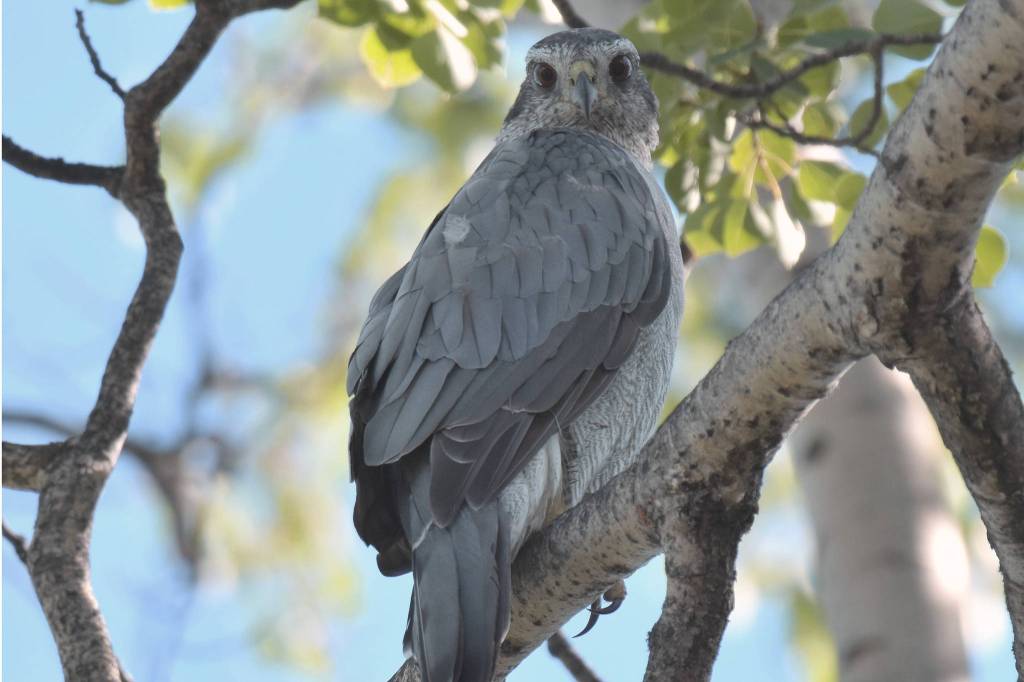


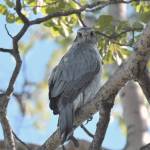
The northern goshawk is a bird that likes old forests.
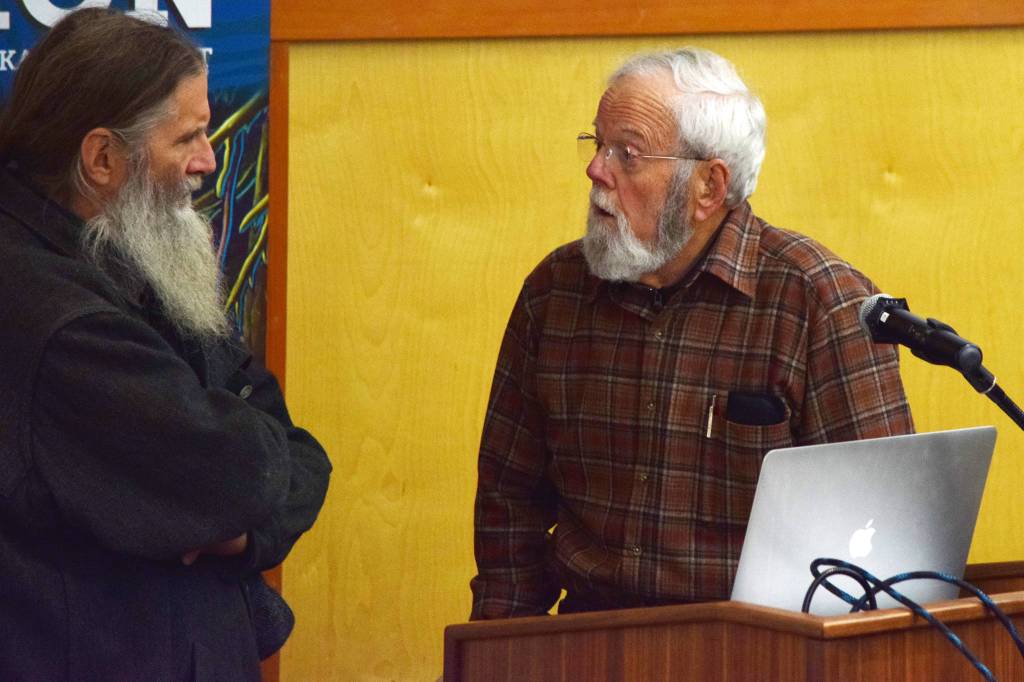
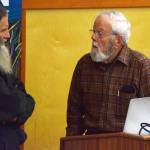
The raptor, which can be seen flying through Southeast Alaska’s old-growth forests, was the focus of research biologist Winston Smith’s Juneau Audubon Society talk Thursday night at the University of Alaska Southeast Egan Lecture Hall.
The U.S. Forest Service revised its Tongass Land Management Plan in 1997, and asked Smith to look into whether the management framework — which focused on biological diversity — would fit the northern goshawk. Smith’s study was carried out in the mid-2000s.
“It was one of a suite — a group of species — that were one, a unique subspecies and endemic, and two, that were dependent on old-growth,” Smith said, “and the Forest Service wanted to understand how managing the forest, how logging and other activities in the forest, might impact their persistence, their ability to maintain themselves on the Tongass National Forest.”
Through the study of over 130 nests, Smith found the birds had slightly less than an optimal amount of old-growth forest in their post-fledging area (the area that surrounds the nest site and is necessary for the survival of young birds.) After super-imposing a circle with an approximately 5,000-foot radius over the nests, Smith classified the habitat into three different categories: low-, medium- and high-volume old-growth forests.
He found only 40 percent of the land critical for juvenile goshawks (post-fledging area) was medium- or high-volume old-growth forests.
“The indication was that we needed around 60 percent,” Smith said. “That part is not that bad — 40 percent versus 60 percent — I’m not willing to argue that they couldn’t make it with that difference, but it’s still short. It’s not providing the high-volume and medium-volume old-growth forests that goshawks need in those post-fledging areas. But the most important part is that of that (40 percent) that was there, less than half of it, 45 percent of it, was secure.”
Insecure land is any land that could be developed to the detriment of goshawks.
The old-growth stands are vital to goshawks for several reasons, Smith said.
“One, they rely on these large trees for their nest sites, and then two, it affords a diversity of prey that they can actually forage on by being able to move through the canopy,” Smith said.
Young-growth stands, Smith said, block light from entering through the canopy which affects what species can live there.
“They don’t let much sunlight come in and there’s not much of a midstory, and that affects the potential prey of birds and small mammals that are available,” he said. “But more importantly, goshawks can’t forage in that kind of habitat.”
Smith said it’s not clear what shape the birds are in now. It’s been over a decade since the last survey was conducted on the northern goshawk, but Smith suspects the population in Southeast could be struggling.
“We don’t know, there’s some uncertainty,” Smith said, “but given the fact that they were struggling even back then, back in the late ‘90s, early 2000s where they had a hard time finding nests on Prince of Wales, I suspect it’s not any better now and could be worst.”
• Contact sports reporter Nolin Ainsworth at 523-2272 or nainsworth@juneauempire.com.