Among butter clams, which pose toxin dangers to Alaska harvesters, size matters, study indicates
Published 9:30 pm Wednesday, November 20, 2024
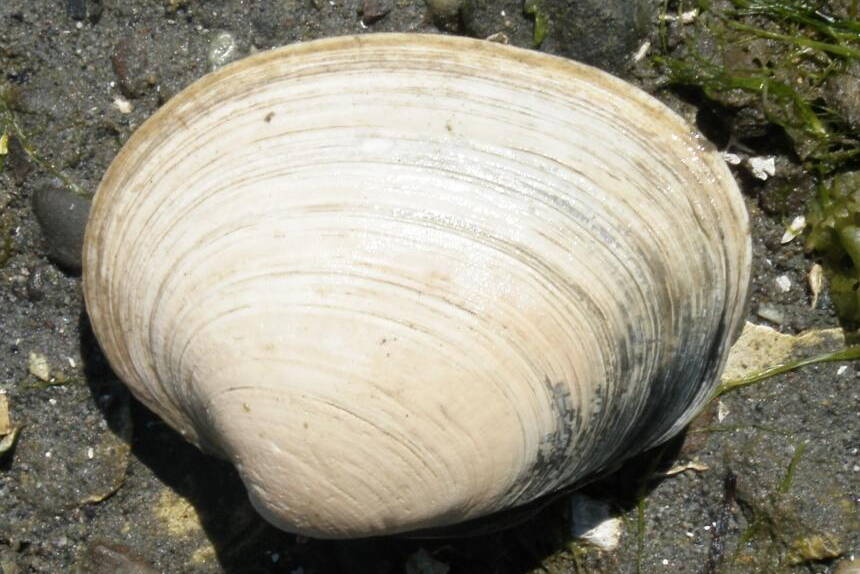
Butter clams, important to many Alaskans’ diets, are notorious for being sources of the toxin that causes sometimes-deadly paralytic shellfish poisoning.
Now a new study is providing information that might help people harvest the clams more safely and monitor the toxin levels more effectively.
The study, led by University of Alaska Southeast researchers, found that the meat in larger butter clams have higher concentrations of the algal toxin that causes PSP, than does the meat in smaller clams.
“If you take 5 grams of tissue from a small clam and then 5 grams of tissue from a larger clam, our study suggested that (in) that larger clam, those 5 grams would actually have more toxins — significantly more toxins — than the 5 grams from that smaller clam,” said lead author John Harley, a research assistant professor at UAS’ Alaska Coastal Rainforest Center.
Partners in the study were the Sitka Tribe of Alaska, which operates one of only two laboratories in the state that test shellfish for algal toxins, and with other organizations.
It is one of the few studies to examine how toxin levels differ between individual clams, Harley said.
The findings came from tests of clams collected from beaches near Juneau on five specific days between mid-June and mid-August of 2022.
The 70 clams collected, which were of varying sizes, yielded a median level of saxitoxins of 83 micrograms per gram, just above the 80-microgram limit. Toxin concentrations differed from clam to clam, ranging from so low that they were at about the threshold for detection to close to 1,100 micrograms per gram.
And there was a decided pattern: Toxin concentrations “were significantly positively correlated with butter clam size,” the study said.
Among the tested clams in the top 25% size, 81% had concentrations above the regulatory threshold, while among the quartile with the smallest size, only 19% came in at above the threshold.
The typical butter clam has a shell that is about 3 inches wide and up to 5 inches in length; clams in the study ranged in shell width from less than 1.5 inches to more than 4 inches. The mass of meat inside the shells of tested clams ranged from 3.87 grams to 110 grams, the study said.
The detections of toxins were in spite of the lack of significant algal blooms in the summer of 2022 – making that year an anomaly in recent years.
In sharp contrast, the summer of 2019 — a record-warm summer for Alaska — was marked by several severe harmful algal blooms. Near Juneau, toxin concentrations in blue mussels, another commonly consumed shellfish, were documented at over 11,000 micrograms per gram, and the toxins killed numerous fish-eating Arctic terns in a nesting colony in the area.
Just why the butter clams tested for the new study showed concentrations of toxins in a low-bloom year is a question for further review.
Butter clams are known to pose special risks because they retain their algal toxins much longer than do other toxin-affected shellfish. Like other species, butter clams do detoxify over time, but they do so much more slowly, Harley said. The clams in the study were all at least a few years old, and there are some possible explanations for why they still retained toxins in the summer of 2022, he said.
“Maybe these larger clams, because they’ve been consistently exposed to harmful algal blooms several years in a row, maybe they just haven’t had a chance to detoxify particularly well,” he said.
The unusual conditions in the summer of 2022 mean that the results of this study may not be the same as those that would happen in a summer with a more normal level of harmful algal blooms, he said. “It still remains to be seen if this relationship between size and toxin is consistent over different time periods and different sample sites and different bloom conditions,” he said.
Research is continuing, currently with clams collected in 2023, he said. That was a more typical year, with several summer algal blooms.
The algal toxin risks in Alaska are so widespread that experts have coined a slogan that reminds harvesters to send samples off for laboratory testing before eating freshly dug clams and similar shellfish: “Harvest and Hold.”
Harley said the fact that there are toxins in clams even when an active bloom is not present “is a very real concern” for those who have depended on harvest. The Southeast Alaska Tribal Ocean Research Network, known as SEATOR, has been monitoring shellfish in winter and other times beyond the usual months of algal blooms, he noted.
That monitoring has turned up cases of toxin-bearing shellfish well outside of the normal summer seasons. Just Tuesday, SEATOR issued an advisory about butter clams at Hydaburg, collected on Saturday, that tested above the regulatory limit for safe consumption.
• Yereth Rosen came to Alaska in 1987 to work for the Anchorage Times. She has reported for Reuters, for the Alaska Dispatch News, for Arctic Today and for other organizations. She covers environmental issues, energy, climate change, natural resources, economic and business news, health, science and Arctic concerns. This article originally appeared online at alaskabeacon.com. Alaska Beacon, an affiliate of States Newsroom, is an independent, nonpartisan news organization focused on connecting Alaskans to their state government.