Alaska lawmakers near deal to finish budget, may adjourn session soon
Published 10:09 pm Thursday, May 10, 2018
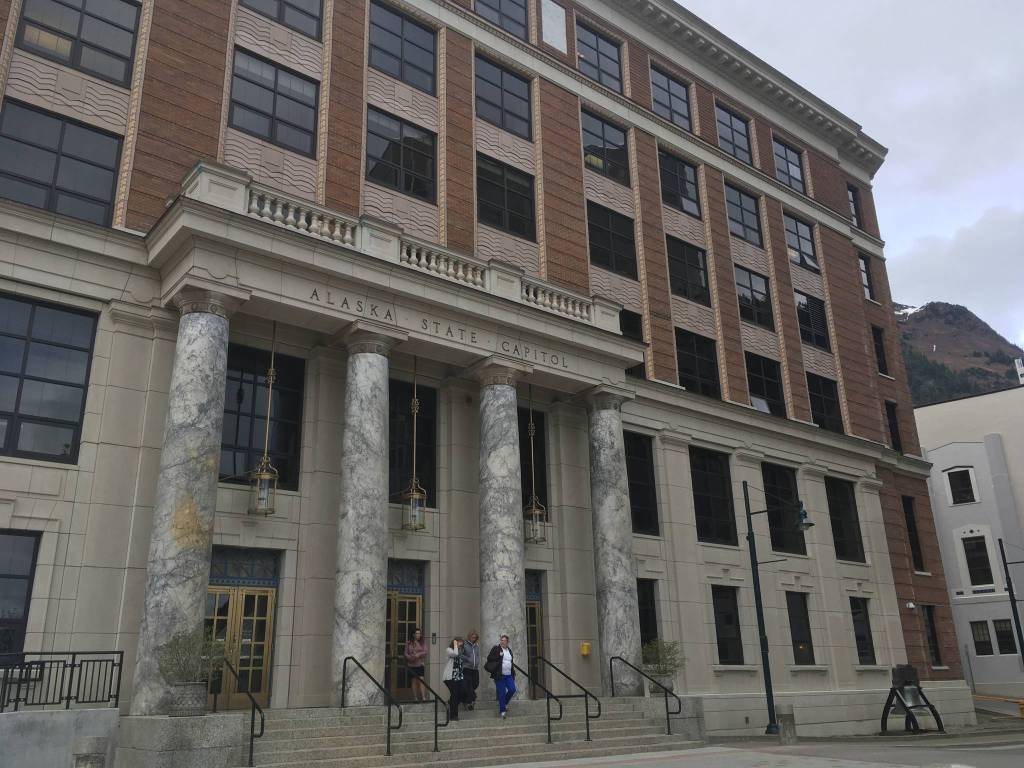
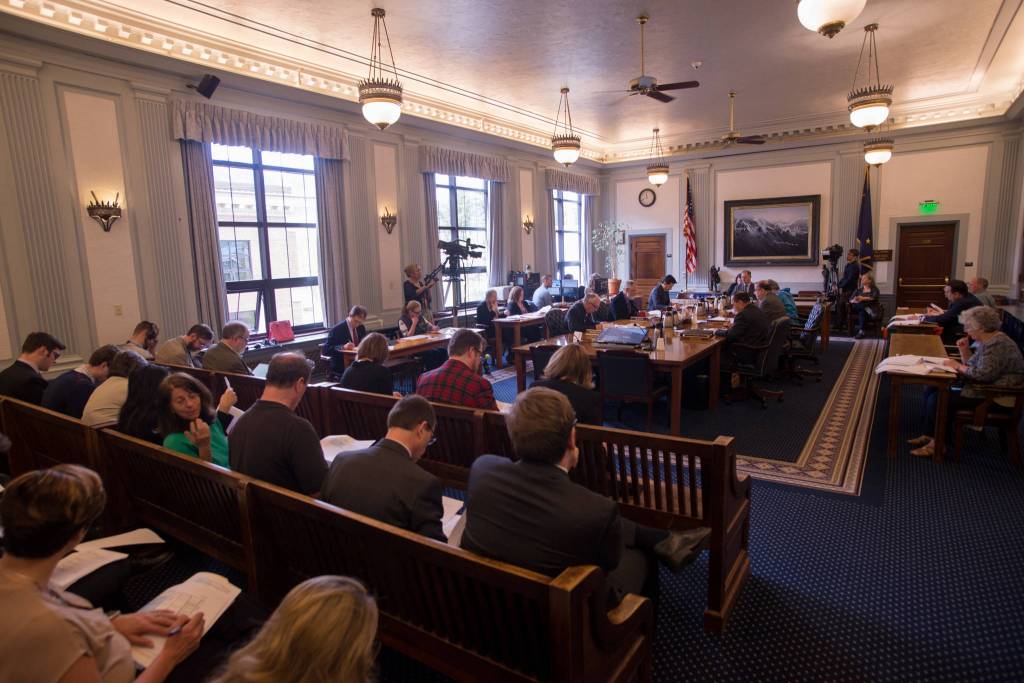


House and Senate negotiators reached a breakthrough compromise on the state’s operating budget Thursday, approving a $10.5 billion spending plan for the coming fiscal year.
The compromise must now be approved by the full House, full Senate, and Gov. Bill Walker. The budget is the only item constitutionally required by the Legislature, and a successful agreement signals the imminent end of the legislative session.
“It gets us a big step closer,” Speaker of the House Bryce Edgmon, D-Dillingham, said.
Senate President Pete Kelly, R-Fairbanks, said he expects the Legislature will adjourn Saturday evening.
While the budget includes a deficit of about $2.4 billion, lawmakers have already agreed on a plan to address that problem. The Alaska Permanent Fund will be called upon for $1.7 billion, and the state’s Constitutional Budget Reserve will be asked for about $700 million.
Another $1 billion from the Permanent Fund will pay a $1,600 Permanent Fund Dividend.
The operating budget increases spending overall from the last budget passed by the Legislature, and Thursday’s agreement doesn’t include millions more in retroactive spending hikes that are included in the state’s capital construction budget.
The spending plan isn’t an unlimited cornucopia, however. It includes less money than had been requested for Medicaid and the state’s public assistance programs.
Walker’s budget proposal included a $96 million more for Medicaid, money needed to unlock $360 million in matching federal funds.
The House accepted that figure, but the Senate suggested a lower increase, $46 million, meaning less federal funding as well.
The compromise figure is $66 million.
Shawnda O’Brien, assistant commissioner of the Alaska Department of Health and Social Services, said by phone that she doesn’t know yet what that lower figure will mean for the department. Currently, it projects that it can deal with a $20 million decrease, but a $30 million decrease still leaves a $10 million gap in the fiscal year that starts July 1.
That gap could widen if lawmakers fail to cover an already-existing gap in funding for the current fiscal year. Right now, there is not enough Medicaid money to pay bills through June 30. Without additional, retroactive funding, money from next fiscal year will be used to pay bills accrued in this fiscal year.
The operating budget also includes a smaller increase than had been requested for the Division of Public Assistance.
A report this week by the state office of the ombudsman found an enormous backlog in applications for Medicaid and public assistance is due in part to short-staffing.
The department had requested 41 new positions and $2.2 million more per year to address the problem, but the compromise budget includes only half.
“It does help,” O’Brien said. “Any amount of increase to positions is going to have an effect in the right direction. The problem is that we had estimated we would need 41 positions to get caught up in a three-year time period.”
Other state departments find themselves in similar situations.
The University of Alaska would receive its first budget increase in four years: The state’s contribution to the university will rise from $317 million to $327 million. That’s less than the Board of Regents had requested but more than Gov. Bill Walker had suggested.
“This budget represents a significant show of support from the Legislature for the university,” said Robbie Graham, associate vice president of public affairs for the university.
“Overall, they agreed it’s time to reinvest in the university,” she said.
Graham said the increase will boost morale at the university, and that the board of regents will decide priorities for the new money at a meeting later this month.
Crime-fighting efforts, a legislative focus this year, will receive a boost in the budget. A new prosecutor will go to Kotzebue, three to Anchorage, one to Bethel, and a statewide drug prosecutor will go to the state’s special litigation section.
The Department of Public Safety will receive some $500,000 for additional travel to rural areas, less than the $2 million proposed by Walker but more than the department received in the current fiscal year.
The department also received permission and funding for new investigators, a pilot, and criminal justice specialists.
To meet calls from the Public Defender Agency, the budget includes four new full-time defenders and four specialists dealing with cases involving children. The budget also includes more money to pay for work by existing attorneys.
The Alaska Department of Corrections will receive more money as well, because Alaska’s prison population has stayed flat amid a statewide crime wave, instead of falling as expected.
The Alaska Permanent Fund’s board of trustees received a mixed message. Despite requesting multiple missed years of inflation-proofing transfers into the protected portion of the fund, the Legislature authorized only one, which will send $942 million onward.
The trans-Alaska natural gas pipeline effort did not get the ability to accept up to $1 billion in investment money (if it strikes a deal for that much), but it will get $12 million transferred from a defunct project to build a smaller gas pipeline.
The House and Senate may vote as early as Friday on the budget agreement, and lawmakers continue to target a Saturday adjournment.
• Contact reporter James Brooks at jbrooks@juneauempire.com or 523-2258.