
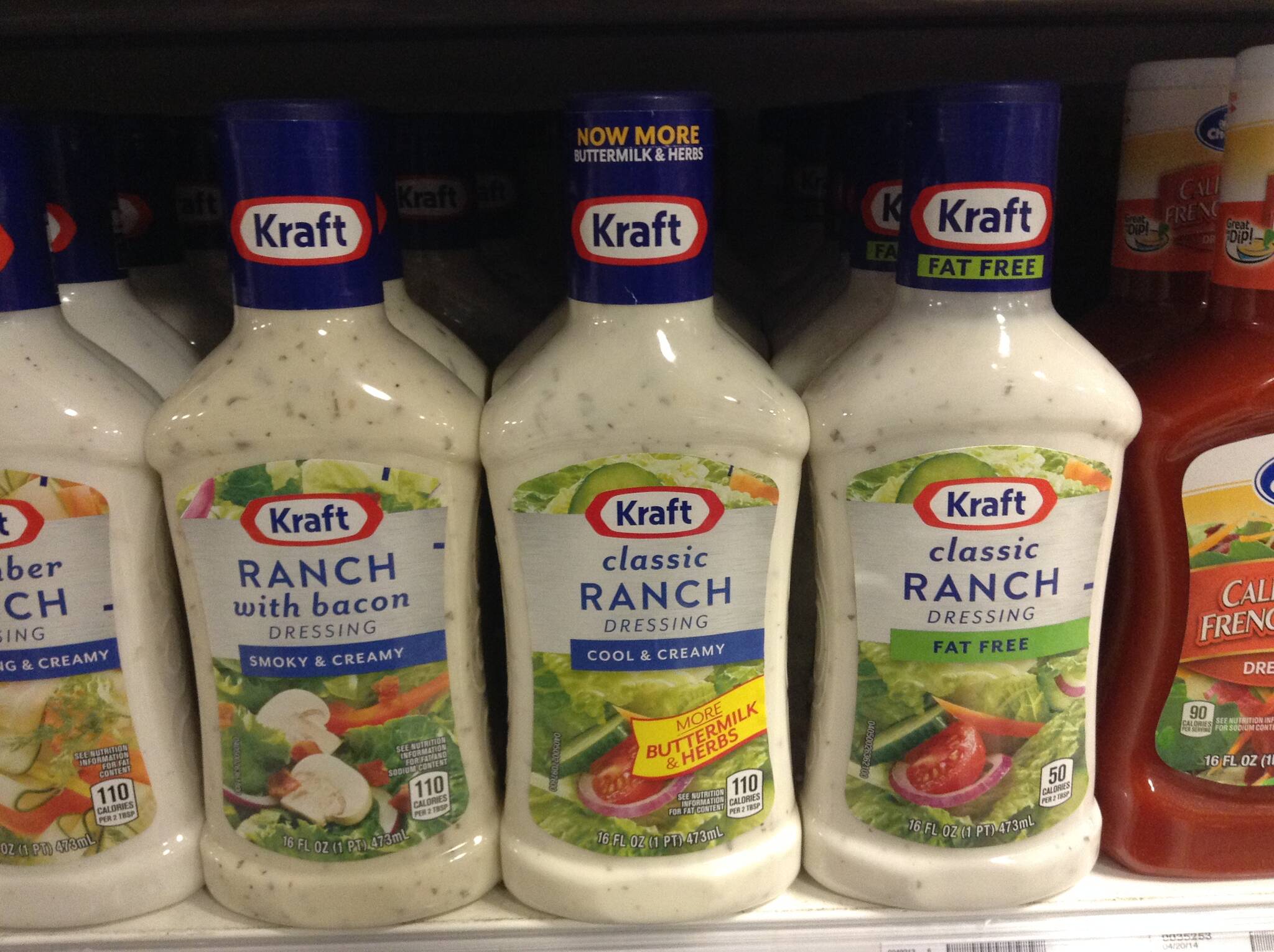
I love ranch. And I mean, like, a lot. How much? Let me put it this way. If brushing your teeth with ranch is wrong, then I don’t want to be right.
And I know I’m not alone in my ranch fandom. In 2017, 40% of Americans named ranch as their favorite dressing, according to a study by the Association for Dressings and Sauces. Yes, that’s an actual trade group.
In fact, ranch has ranked as the best-selling salad dressing in the United States since 1992, when it overtook Italian, which, in Italy, they just call “dressing.”
No other type of dressing even comes close. Do you know anybody who likes French, or, as I’ve been calling it since 2001, “Freedom” dressing? Incidentally, I still eat “Freedom” toast, and “Freedom” fries, although not if I’m on a date and might be “Freedom” kissing later. Caesar? Strikes me as a bit imperialist. And I certainly can’t support Russian dressing, not with the war in Ukraine.
Obviously, ranch enjoys applications far beyond salad. It often serves as a dip for carrots, chicken wings, mozzarella sticks, tater tots and “Freedom” fries. Ranch also makes a great hair product, skin moisturizer, shaving cream and, in a pinch, personal lubricant. And have you ever snorted a line of dry ranch seasoning powder? Actually, it’s actually kind of unpleasant. Ranch doesn’t freebase well, either, in case you were wondering.
Now, in many parts of the country — especially those with no choice but chain or frozen pizza — ranch is a popular pizza condiment. However… ranch on New York pizza? Sacrilege. Pineapple, too, for that matter. Those two items don’t exist at any pizza place anywhere in the New York metropolitan area, except California Pizza Kitchen. And if you’re in New York and eating at a California Pizza Kitchen then you really need to download Yelp.
But what is ranch dressing, exactly? Ranch is usually made with buttermilk, salt, garlic, onion, mustard, herbs (commonly chives, parsley and dill) and spices (commonly pepper, paprika, and ground mustard seed) mixed into some form of oil emulsion, usually mayonnaise. You can also use sour cream or yogurt, or, if you’re my mom, substitute fat-free half-n-half and skim milk. That stuff is brutal. It’s like ranch dressing under communism.
Of course, traditional ranch is quintessentially American, like baseball, jazz and the 64-ounce Double Big Gulp. In fact, in Europe, grocery stores market ranch as “American dressing” and“Cool Ranch Doritos” go by “Cool American Doritos.” Yes, those are actual European products.
If ranch seems especially popular in Alaska, that might owe to the fact that it was invented here. Seriously. In 1949, so the story goes, an Anchorage plumbing contractor named Steve Henson concocted the dressing to keep his crews happy at remote work sites in Bush Alaska. See? Ranch also proves an effective tool in management-labor relations. Like I said, applications far beyond salad.
Ironically enough, Hensen’s success at plumbing enabled him to retire at age 35 and buy a ranch in California, which he renamed Hidden Valley. The ranch turned out to be a bust, but everybody loved the dressing. In this way, Hidden Valley became to ranch what Boston is to cream pie. Hm. Ranch on Boston cream pie. That might be good.
Anyway, today Americans consume 100 million bottles or $1.7 billion worth of ranch annually. That might sound like a lot, and it is. But to put that number in context: if the entire country forswore ranch, cold turkey (even with cold turkey), it would take us 26 years to save up enough money to buy back Twitter from Elon Musk.
Until then, the average American will continue to consume ranch 15 times a year; I will continue to consume it 15 times a day. It’s so easy now that I fill my Camelbak with ranch so I can suck it through that straw all day—it’s important to replace electrolytes, after all.
In the immortal words of Homer Simpson: “Bring me my Ranch dressing hose!”
• Geoff Kirsch is an award-winning Juneau-based writer and humorist. “Slack Tide” appears twice monthly in Neighbors.
