
When our new governor took down the “Climate Action for Alaska” webpage as one of the first acts of his administration, he left us in a ditch. Gov. Mike Dunleavy took his Alaska-is-open-for-business ribbon-cutting scissors and cut our tow rope. He proudly stood tall against … basic science?
Alaskans need to push back and let him know we expect a state-level response to our climate emergency. We want to reduce our emissions and be prepared as we face the changing reality of a rapidly warming climate. Dunleavy puts all Alaskans at risk by ignoring science and undermining our right to relevant information.
Following the magnitude 7.0 earthquake in Anchorage, we learned that science saves lives. Scientists and engineers study our frequent quakes and their knowledge shapes building codes and zoning decisions. This earthquake taught us how short-term cost savings in fill material may leave a homeowner paying more later in foundation repairs. This new knowledge will improve our resilience during future quakes. Alaskans got through Nov. 30 safely because of science-based decisions and neighbors helping neighbors. This seems like a great Alaskan model: learn, prepare, help, repeat.
As the aftershocks slowly diminish in upper Cook Inlet, there’s a palpable anxiety about the next Big One: the 1964-sized earthquake of the future.
[Study reveals worst-case scenarios for tsunamis in Juneau]
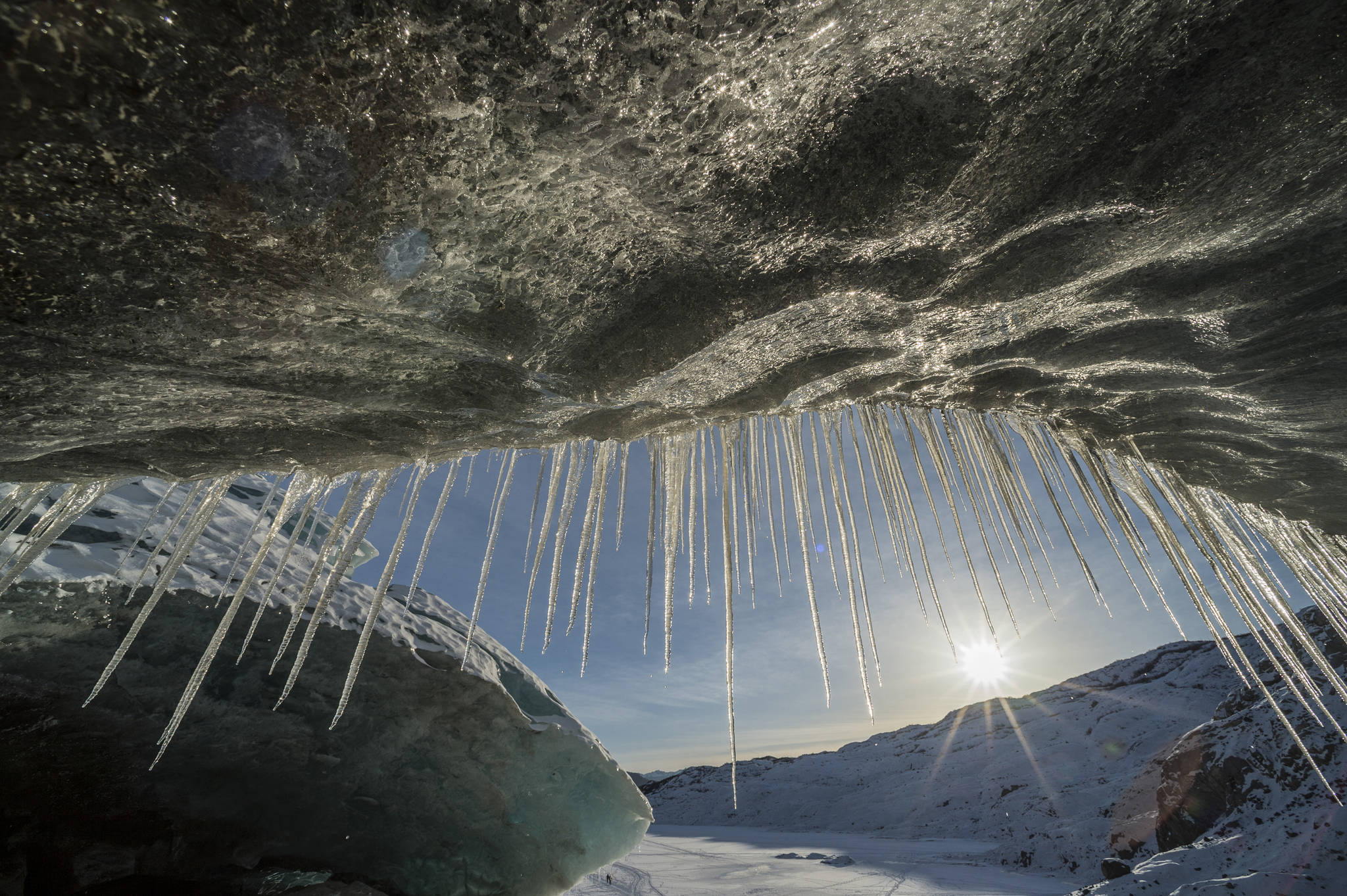
Yet, if you are like me, you know a significant shift has already started. It’s not in the form of shaking ground but of a thawing Alaska.
Over the past two years, a group of Alaskans studied the latest climate science and prepared recommendations to then-Gov. Bill Walker on how to infuse this knowledge into state policy and decision making. This team outlined an Alaskan response to climate change informed by the best available science, integration of indigenous and local knowledge, and consideration of economic interests. This team included tribal and civic leaders, educators, fishermen, renewable energy experts and oil and mining executives. Their recommendations came out in September and are the core of the “Climate Action for Alaska” webpage.
Two months later the Fourth National Climate Assessment report came out. Alaska earned its own chapter because we are warming faster than any other state in the nation. I hope every Alaskan will take time to read it. With an economic price tag of at least $250 million per year to deal with just infrastructure damage, preparation is clearly warranted.
Dunleavy has suggested that he has more important things to worry about than climate change. Is this simply a lack of scientific understanding or a willful negligence hoping to score some political points? The warm blob in the Gulf of Alaska is already impacting salmon runs and other fisheries. Wildfire season is getting longer. Ice road season, a critical low-cost transportation window for communities and industry, is getting shorter. Thirty-one villages require partial or complete relocation. These are important issues which certainly worry me, and they should worry our governor, too.
When Dunleavy talks about Alaska being “open for business,” he really means: “business as usual.” We do need Alaska to be open for innovation: innovation for the post-carbon world. New jobs, clean energy and affordable power. In America, we take great pride in examples of rapid technological innovations which have changed the course of history. In 13 short years, New York City streets went from all horse-drawn carriages to automobiles. In 1961, President Kennedy committed us and the scientists at NASA to landing on the moon by 1970. We did it in 1969.
New energy solutions will transform our future. But Alaska will be left behind if our dance card is already filled with fossil fuel partners and we are unprepared as our Alaska way of life melts beneath our feet.
More than 1,300 Alaskans have placed their names on a petition asking Dunleavy to take the first step in preparing for the future by restoring the “Climate Action for Alaska” webpage. I hope you will contact him as well. Ignoring science and restricting access to information — especially Alaska-based information prepared by Alaskans for Alaskans — is an insult to us all. Almost as bad as leaving your neighbor in a ditch.
• Sue Mauger is the Science Director at Cook Inletkeeper, a community-based group working to protect Alaska’s water and salmon resources.
• Sue Mauger is the Science Director at Cook Inletkeeper, a community-based group working to protect Alaska’s water and salmon resources. My Turns and Letters to the Editor represent the view of the author, not the view of the Juneau Empire.
