
Alaskans are fond of reminding outsiders that “Alaska is different.”
Our vast geography, strategic location, diverse communities, abundant natural resources and relative youth compared to other states combine to create an exceptionalism that makes Alaska truly unique. Our challenge as a delegation has always been to remind others of our state’s unique challenges and to adapt national policies to meet Alaska’s particular needs. When our colleagues are arguing about repairing aging water systems across the country, we are pushing to deliver water systems in the first place. When Congress is wrapped up in a debate about health care coverage, we are pointing out that the cost of coverage in Alaska doesn’t even fit on their charts. And when the national debate is about deferred maintenance for roads in national parks and wildlife refuges, we are reminding folks that a single lane, non-commercial use gravel road through the Izembeck to connect the citizens of King Cove with the airport at Cold Bay is a matter of life and death.
National debates too often miss the reality on the ground in Alaska, and that reality is at the forefront of my mind when I’m considering the current debate about Net Neutrality. I strongly support a free and open internet and agree with those concerned about internet service providers prioritizing one website’s traffic over another’s or throttling access to certain content. I also believe and prefer Congress, not an executive agency like the Federal Communications Commission (FCC), should legislate protections for the internet. However, I am relatively agnostic about how we protect consumer access to the internet. My goal is to protect a free and open internet for all Americans.
But my primary concern is what legislation or regulation really means to Alaskans on the ground, especially to those in communities without meaningful access to broadband. According to Connect Alaska’s 2015 Alaska Broadband Audit Report, “93% of Audited Alaska K-12 schools do not meet the national benchmark of 1000 Kbps per student and staff.” Low quality, expensive broadband hinders not just education, but vital telemedicine services that support clinics in rural communities. As I’ve traveled across Alaska, I have seen firsthand how important telemedicine and tele-education are to our communities. How they can save money, improve services and improve the quality of life for those in the community is so important.
The importance of telemedicine and tele-education is why we have fought so hard to secure funding not just for expanding access, but for direct support for schools, libraries and clinics through the FCC’s E-Rate and Rural Healthcare programs. The federal government invests $210 million annually in Alaska to support these services and ensure rural schools and clinics have access to broadband services. Thanks to the Alaska Plan and the Connect America Fund, the FCC awards $150 million per year to expand broadband across rural Alaska. But we have a lot left to do and broadband, especially in rural communities, remains constrained, expensive and inadequate at best.
That is why, while I strongly support a free and open internet, I continue to ask how we can protect and prioritize telemedicine and tele-education in broadband constrained communities in rural Alaska if regulation or legislation bans prioritization. A ban on an internet service provider prioritizing one website’s traffic over another may make sense in Anchorage and the Lower 48. But it makes no sense to slow down the connection for a behavioral health specialist doing a consultation or a classroom skyping in a teacher when the bandwidth in a community is limited because all traffic has to be treated equally.
We absolutely have to protect the innovation and open environment on the internet that has delivered prosperity and growth across our economy, and I am working with my colleagues to best identify how to do that. But any lasting “fix” must provide for the unique challenges we face in Alaska.
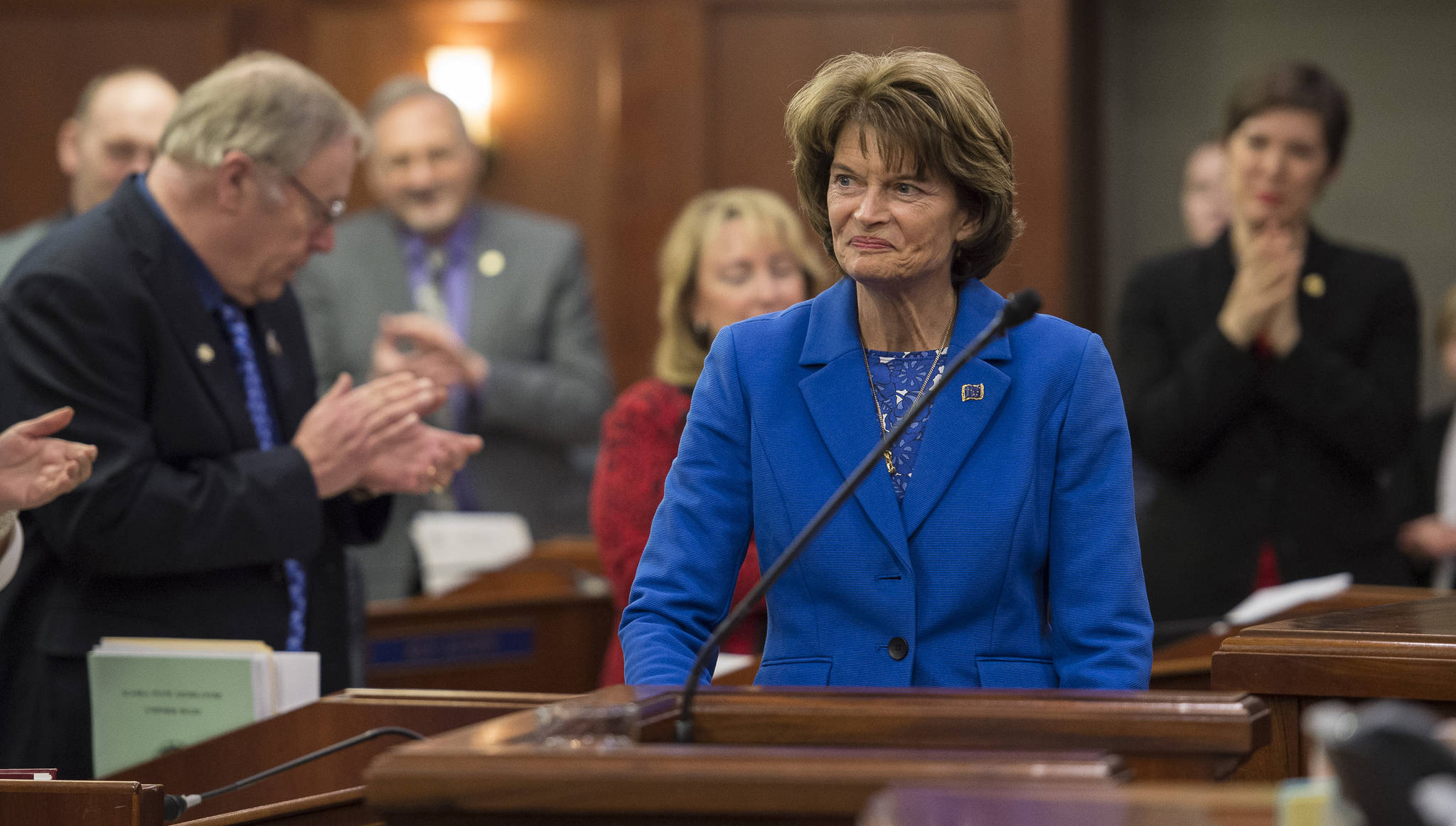
• Sen. Lisa Murkowski represents Alaska in the U.S. Senate.
