
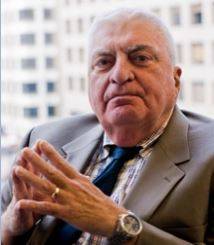
A niece of mine and her husband have owned a restaurant in Homer for at least 20 years. I worked on energy policy at the White House before and during the Arab Oil Embargo. After that, I often worked on Unocal projects that took me to Alaska; I’ve spent decades on issues involving Alaska’s energy sector.
I know that investments in Alaskan oil and gas reserves have helped sustain the economy and meet the nation’s energy demand. I know the business, and like most in Alaska, I believe in the vital role energy has played, and must continue to play in the state’s future.
The Trans-Alaska Pipeline (TAPS) was held up for years by activists who did all they could to prevent its construction. It took the Arab Oil Embargo and its resultant fuel shortages to awake Americans to the threats to our economy and national security that energy shortages meant. America had to act and did, by approving legislation that enabled construction of TAPS.
So I know a threat when I see one, and there is a real threat to Alaska’s economy and future, right now. The ballot initiative pushed by the group calling itself “Stand for Salmon” is a real threat to Alaskans. The implications of their proposed ballot measure, and the fact that it is being pushed by a wealthy network of out-of-state environmentalist donors, should make all Alaskans worry.
It’s never a good sign when single-minded big-money activists from elsewhere want to dictate regulatory policy in a state where they’ve never lived, let alone visited. They want to dictate policy because they’re sure they know better than you do, what’s best for you and your state.
The ballot measure purportedly would “protect” Alaska’s salmon population and habitat by radically expanding Alaska’s permit and approval processes for road construction and other infrastructure projects. This is perverse; Alaska already implements some of the most stringent permitting processes in the world for fishery management. This drastic expansion of those processes would threaten or end the viability of projects that have made the state what it is today, and would harm development projects still underway.
Recall that such a threat existed in the case of the TAPS. It took years of delay, but once TAPS construction was allowed 40 years ago, it provided a major boom in construction jobs and dollars, and a long-term economic lifeline for the state by speeding and making safer and cheaper, oil transport from Alaska’s North Slope. TAPS is a part of Alaska’s past, present and future — an $8 billion example of the type of investment that can sustain an economy. The Stand with Salmon ballot measure puts the pipeline’s future at risk by introducing a years-long suite of new requirements that would weigh heavily on operations through court cases, delays and major added costs.
This ballot measure is a major overkill to solve non-problems for non-Alaskans and to create new ones for residents of this state.
The ballot initiative could end hope for the Gasline. The Alaska LNG’s Keith Meyer has said that the ballot measure’s changes to permit processes, if passed, would make construction of the pipeline “darn near impossible.” If the top executive of a multi-billion project feels that the ballot measure would end all hope for navigating this malicious permit/approval labyrinth, what hope is there for significant Alaskan investment in the future? None — which is the goal of the Stand for Salmon cabal.
They deny that there would be any impact on present or ongoing projects; but why are they trying to pass such changes? Their past record on issues involving others’ welfare should tell Alaskans not to accept such “promises.” Those Boston billionaires and New York nay-sayers have a history of leveraging state and local politics to advance their anti-fossil fuel agenda. They feel that they know better than you do about what’s best for you; they want to stop every pipeline and all use of fossil fuels — immediately. They have the right to free speech. But so do Alaskans; do not allow their “money talks” version of free speech stand in the way of your future.
• Jack Rafuse was an energy advisor at the White House and Office of Management and Budget during the Arab Oil Embargo and later worked for Unocal. He resides in Alexandria, Virginia.
