
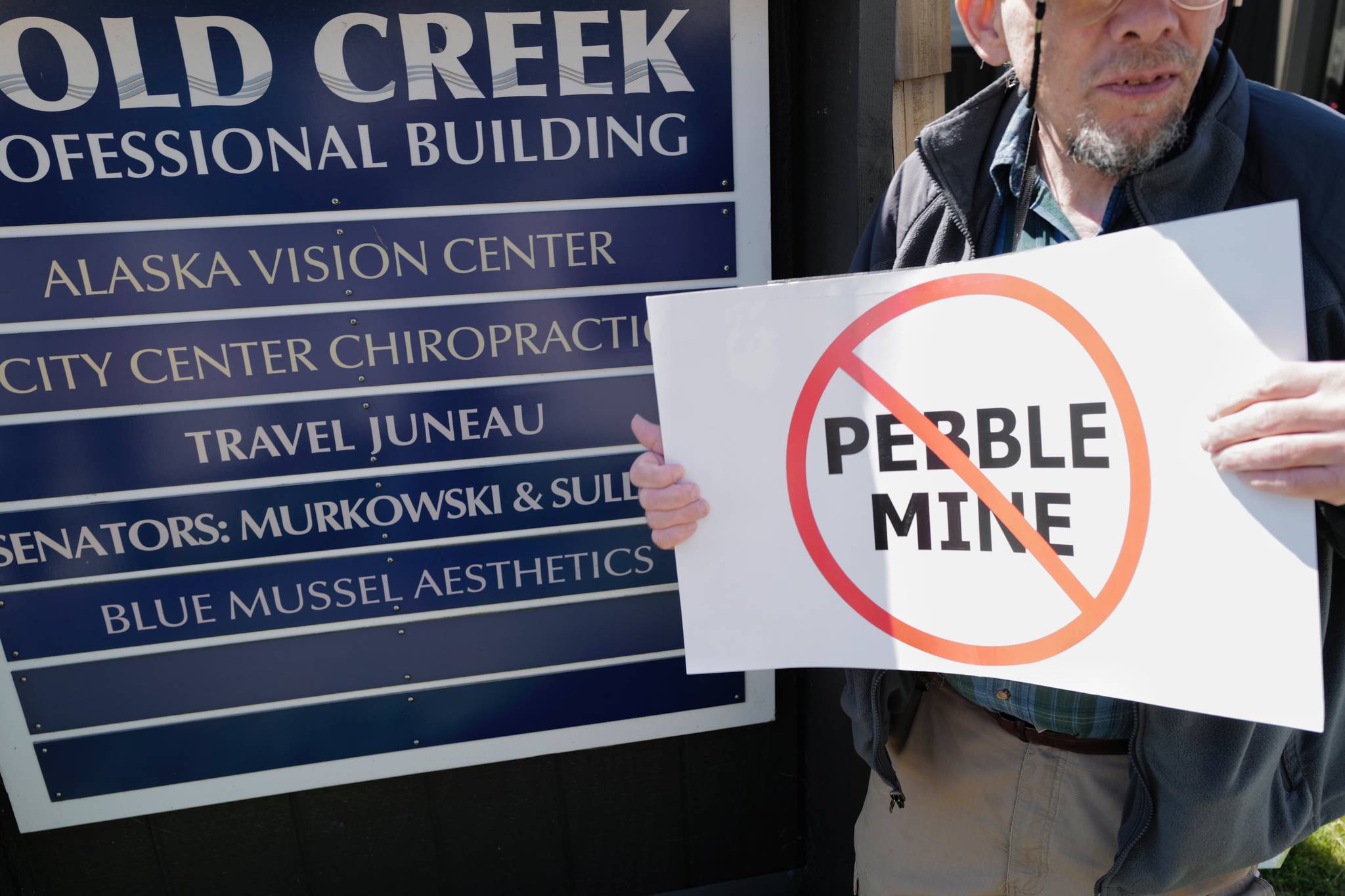
As a commercial fisherman, who fishes Bristol Bay, I was grateful that Sens. Lisa Murkowski and Dab Sullivan took the time to address United Fishermen of Alaska during a teleconference in early April as the COVID-19 crisis began calling all of our fishing season plans into question. The senators, along with Rep. Don Young, took the time to address health and financial concerns regarding safety plans and mandates for fishing as well as insights on how fishermen can seek relief as our seasons are impacted by the pandemic. Even with the immediate and critical issues before us associated with the coronavirus, the biggest question on my mind and that of other Bristol Bay fishermen was the threat of Pebble Mine and whether or not the United States Army Corps of Engineers would stick to the fast-tracked timeline they have assigned themselves to review and finalize the Final Environmental Impact Statement and associated Federal Permit authorizations.
Murkowski addressed the question first by saying that the government and all of its agencies are under the strain of the crisis and are unable to focus on or talk about things other than COVID.
Sullivan echoed this sentiment more specifically by saying “the Corps is, if you’re watching, 100% focused on the pandemic all over the country. And so their ability to do anything else I think is called into question. And to be honest, I do think they should be 100% focused on the pandemic right now.”
I so appreciated and agreed with the words that Sullivan spoke. They made, and still make, a lot of sense to me. Unfortunately, the USACE sees otherwise and has continued to adhere to their rushed timeline despite calls from fishermen and Bristol Bay leaders to press pause while we grapple with the uncertainties and catastrophic impacts of the pandemic on our communities and industry.
I would like to thank Sullivan for his words on how the USACE should be conducting their business and ask that something be done to halt the Pebble Project EIS review in this time of confusion and uncertainty during the pandemic. Furthermore, I would like to see Alaska’s senators formally call upon the Corps to pause the pebble EIS process on behalf of the communities and fishermen of Bristol Bay who are spread unbelievably thin responding to the pre-season logistics and complexities of keeping the public safe and holding a fishery. As I write this, I have just learned of the first case of COVID-19 in the small fishing town of Cordova was contracted by a seasonal worker.
Since permitting has not been paused, the USACE is clearly not 100% focused on keeping American citizens safe during the pandemic as Sullivan suggested they should be. The Corps should be putting all of their energy into creating more clinics and crisis infrastructure to respond to the needs of people in areas where healthcare is lacking. Including small fishing towns that are being descended upon by fishermen, processors and fish plant workers that have little ability to provide the care needed if an outbreak happens. I believe our Alaskan senators are working hard in D.C. to help Alaskans survive and recover from the unique impacts the global pandemic is having in our state. Fishermen, tribes and community leaders are as well, and it is so inappropriate in this time to have to be vigilant in following the pebble mine permitting process. Our senators are doing all they can for Alaskans right now, but we need them to do one more thing and ask the USACE to press pause on pebble and point the Corps to where their work should be appropriately focused at this time.
• Melanie Brown fishes Bristol Bay with her children, who represent the fifth generation of commercial fishermen in her family who live because of salmon. She serves in an independent at-large seat on the United Fishermen of Alaska Board of Directors. Columns, My Turns and Letters to the Editor represent the view of the author, not the view of the Juneau Empire.
