
Watching local Assembly meetings can be depressing when, without a demonstrated need, significant action is taken that completely bypasses public opinion. It happened when the Assembly funded a million-dollar vote-by-mail center that hasn’t measurably increased voter turnout. Ditto when the Assembly jammed through mandatory real estate sales disclosures (since repealed). Recently, the Assembly approved $6.3 million toward a new $42 million city hall project that was rejected by voters in October.
Then, last week, the Assembly appropriated $5 million more for the proposed Capital Civic Center project. The arts and culture component of this project (previously called the New JACC) was soundly rejected by voters in 2019. So the Assembly re-packaged it with voter-approved Centennial Hall convention center improvements and re-named it the Capital Civic Center. Since then, costs have gone out of sight.
Presumably, the appropriation would leverage federal grant funding and wouldn’t be expended unless sufficient overall funding is secured. That may take years, if ever, but, by then, who knows how the $5 million will be spent. With less than one-half of the estimated $75 million price tag secured to date, almost 90% originates from CBJ funding sources. Remember when New JACC boosters originally promised it wouldn’t cost taxpayers a dime?
Proponents of the CCC project argue that it’s an essential facility that Juneau residents support. Yet, evidence of such support is lacking. Shortly after inception, two of Juneau’s premiere arts and cultural organizations, Perseverance Theatre and the Juneau Symphony, conspicuously avoided committing to using the facility, if built.
Assembly members hardly discussed the impacts of squirreling away millions of dollars for a project that has no valid feasibility study. No one knows how much it will cost to operate the facility or the subsidy it will require to keep the doors open.
The priority of this project is startling given that it lacks a broad-based community survey, any credible financial basis, and is beyond the scope for a town our size, capital city or not. With Juneau’s precipitous drop in working-age and school-age population, why would the Assembly commit millions of dollars for this without asking voters or even considering more appropriate, less expensive options?
Instead, Assembly comments chastised the community to “step up” to contribute to the project and included a statement that our community was “a privileged place where we can invest in all of our priorities.” With almost $30 million of municipal funding now spent or committed to this project, when will our Assembly draw the line?
The one lone voice of reason came from Assembly member Alicia Hughes-Skandijs. In opposing the ordinance, she argued many projects deserved funding ahead of this one, pointing out that deferred maintenance for schools and other public buildings won’t be addressed if funds continue to be diverted to this project. Yet the Assembly continues to prioritize new construction when commercial office vacancies are growing and public buildings that potentially could be repurposed remain largely underutilized.
The real question, however, is who actually pays for all this largesse?
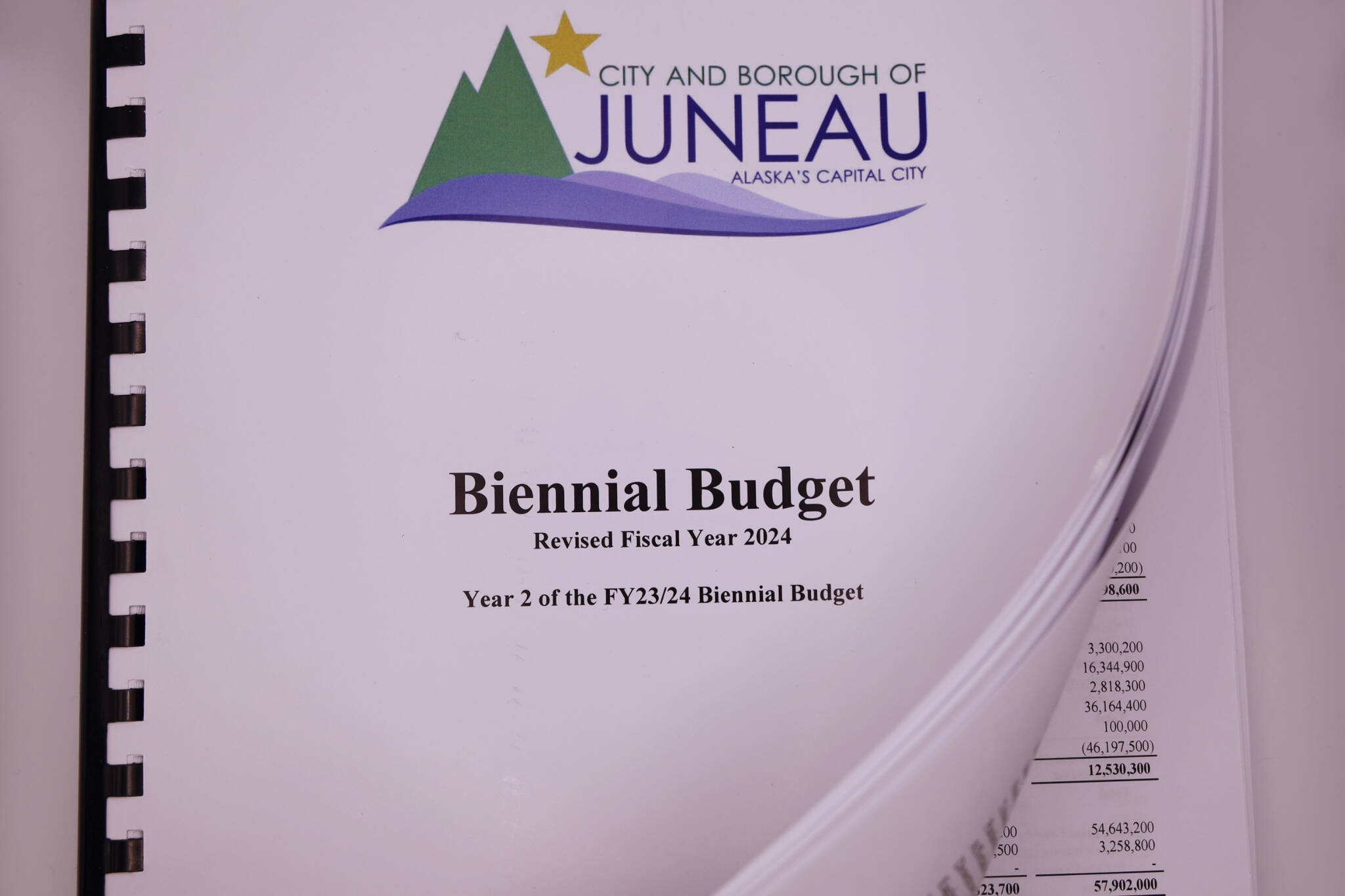
According to Jeff Rogers, CBJ Finance director, the city was projected to end the fiscal year in June with an estimated $30 million in unrestricted fund balance, well above necessary levels. This year, many residential property owners were hit with double-digit percentage increases in property tax assessments (my 2023 assessment increased 22% following a 10% increase in 2022). This comes on the heels of previous large increases in commercial property assessments. With burgeoning property and sales taxes now overflowing city’s coffers, the Assembly is free to fund more pet projects the public may view as excessive or unnecessary without interference from skeptical voters.
Assembly members could correct this imbalance by substantially lowering the millage rate, thereby giving property owners much-needed tax relief. But, given City Hall’s spending appetite, it’s doubtful that will happen.
Perhaps, it’s time for voters to seriously consider a municipal spending cap.
The Assembly isn’t playing with Monopoly money, and, ultimately, the Juneau taxpayer will foot the bill.
• After retiring as the senior vice president in charge of business banking for KeyBank in Alaska, Win Gruening became a regular Opinion Page columnist for the Juneau Empire. He was born and raised in Juneau and graduated from the U.S. Air Force Academy in 1970. He is involved in various local and statewide organizations. Columns, My Turns and Letters to the Editor represent the view of the author, not the view of the Juneau Empire. Have something to say? Here’s how to submit a My Turn or letter.
