
Across Alaska, roads are falling apart. Potholes deepen in Fairbanks, washed-out culverts block salmon in the Mat-Su, and rural communities from Ketchikan to Kotzebue are left waiting on repairs that may never come. A trip on the Kenai Peninsula leaves your teeth rattling and your fishing poles clanking in the back of your rig. Our state’s transportation system is in a state of disrepair.
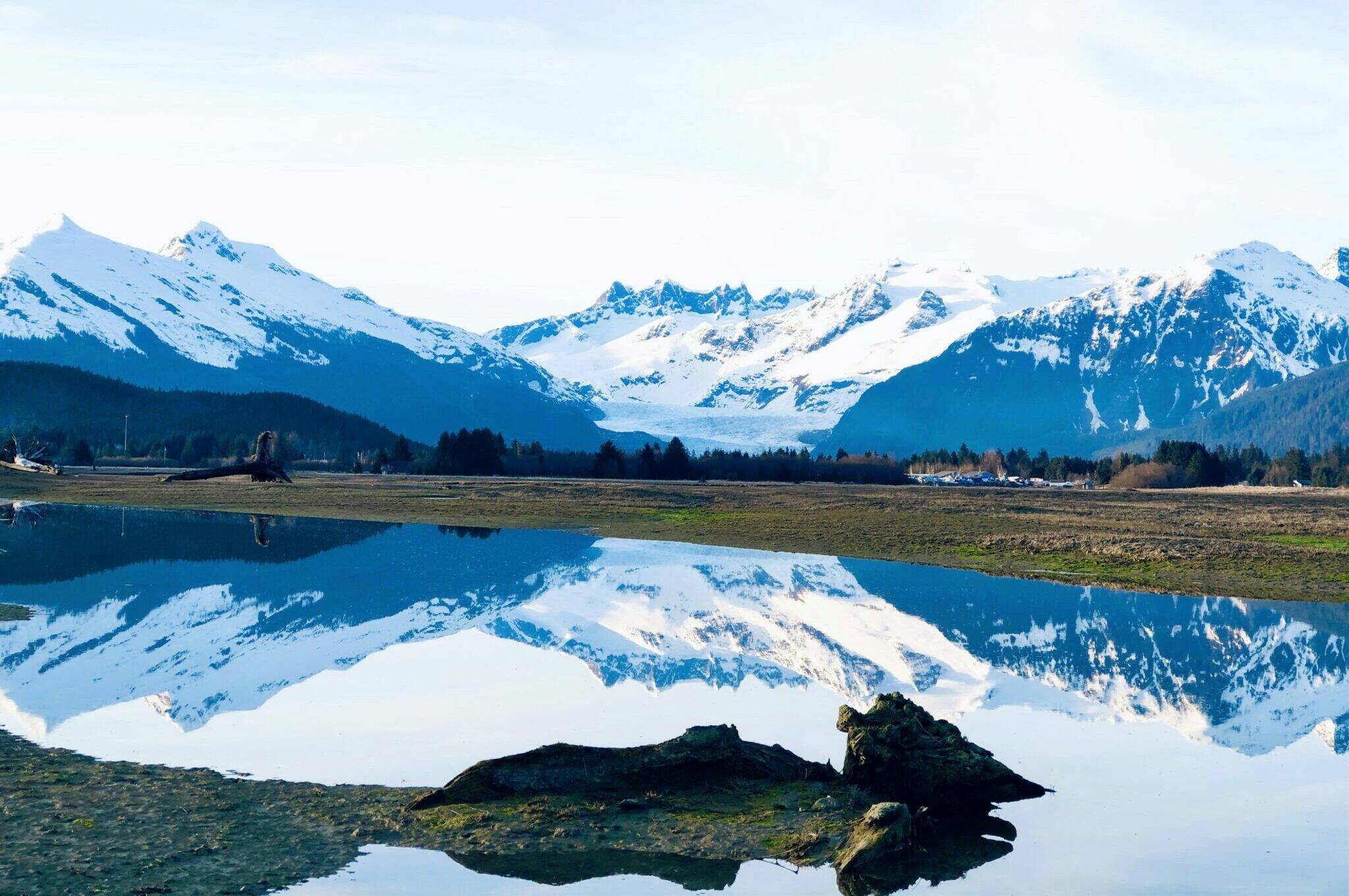
And yet the state is poised to spend at least half a billion dollars building a second bridge across one of Alaska’s most ecologically significant and beloved wetlands: the Mendenhall Wetlands in Juneau.
The proposed Juneau-Douglas Second Crossing – termed the Juneau Douglas North Crossing by DOWL, the engineering firm contracted to assess and build this structure – is being marketed as a strategy to reduce commute times, link the Douglas Island communities to emergency services, and promote development. But even if these reasons are held up under scrutiny – and none of them are as simple as they sound – the second bridge comes at a staggering cost estimated between $290-450 million. In a time when Alaska faces over $2 billion in deferred maintenance on existing roads and bridges, we must ask: Is this the best use of public funds?
Juneau has already developed more than 40% of its wetlands. In a state where habitat loss is often distant and gradual, the proposed Second Crossing represents an immediate and irreversible threat to an intact, high-value ecosystem. Once roads and bridges fragment this landscape, the consequences – disrupted migration, habitat degradation, declining fish and bird populations— are permanent.
A Highway to Nowhere?
The Juneau Douglas Second Crossing’s installation bill could exceed half a billion dollars, which doesn’t include annual maintenance costs. That’s money that could fix existing infrastructure all over the state, such as roads that rural Alaskans use to access schools, groceries, medical care, and subsistence hunting and fishing grounds. Project funds could also easily maintain the bridge that currently exists between Douglas Island and the Juneau mainland.
Unlike these lifeline routes, the Second Crossing is a convenience project, not a necessity. Juneau’s population is gradually shrinking. The most cost-efficient second bridges would shave only a few miles off driving time from the existing bridge. The roads and bridges in place today are not failing. This is a solution in search of a problem, and it comes at a cost that all Alaskans would bear.
A Wetland of Global Significance
This project just doesn’t pencil out and is not fiscally responsible. The Mendenhall Wetlands are one of the most ecologically important habitats in Alaska, recognized globally as an Important Bird Area (IBA) by the National Audubon Society. A 5,000-acre ecosystem provides essential habitat for millions of migratory birds traveling the Pacific Flyway each year—including sandpipers, dowitchers, plovers, and waterfowl. These wetlands are also a critical nursery for salmon and trout, with rich tidal channels that shelter juvenile fish before they head to sea. The Mendenhall Wetlands have been called the Heart of Juneau.
It’s not just birdwatchers and fishers who value the space. The Mendenhall State Game Refuge was designated in 1976 by the Alaska State Legislature. It was in part designated so hunters could pursue waterfowl and have an accessible place to hunt. In 2023, the Alaska Department of Fish & Game added over a dozen anadromous fish streams to the Anadromous Waters Catalog (AWC) of fish streams after surveying the wetlands. A total of 230 species of birds have been documented within the wetlands – that’s 69% of the 335 bird species for all of Southeast Alaska – including 36 different waterfowl species, according to Audubon Alaska. The Mendenhall Wetlands support one of Southeast Alaska’s most popular and accessible waterfowl hunting areas, drawing hunters from across the region each fall and over 1800 annual local resident hunters (ADF&G).
For many, it’s a tradition passed down through generations, a place where families hunt ducks and geese on public lands, some just minutes from their homes.
The Opportunity Cost
Building this road means more than just the loss of habitat. It means lost opportunities elsewhere. Alaska’s existing road system is aging and underfunded. Major corridors in the Interior and Southcentral suffer from poor drainage and frost damage. Coastal communities face landslide risks and storm-damaged causeways. Ferry service remains unreliable for many Southeast residents. Every dollar spent on a vanity project like the Second Crossing is a dollar not spent on infrastructure Alaskans actually rely on.
Let’s be clear: this is not a NIMBY (not-in-my-backyard) issue. It’s a matter of statewide priorities. From Cold Bay to Prudhoe, we all have a stake in how limited public funds are used. Do we choose to invest in maintenance, safety, and real community needs, or spend lavishly on speculative development that benefits a few, while costing us all?
A Smarter Path Forward
Alaska doesn’t need another expensive, new road project. What we need is leadership that respects our budget, our wildlife, and our way of life. Preserving the Mendenhall Wetlands as a globally important ecosystem, a rich fish and wildlife habitat, and a cornerstone of Southeast Alaska’s outdoor traditions is not just the right thing to do—it’s the smart thing.
Let’s repair what is broken. Let’s protect what is working. And let’s leave the Mendenhall Wetlands wild for the generations of Alaskans yet to come, like nature, and the state legislature intended.
• Mary Glaves lives in Juneau with her husband and two dogs. She hunts and fishes all over Southeast Alaska, including the Mendenhall wetlands, as well as walks her dogs there multiple times a week. This article originally appeared online at alaskabeacon.com. Alaska Beacon, an affiliate of States Newsroom, is an independent, nonpartisan news organization focused on connecting Alaskans to their state government.
