Opinion: Understanding our declaration on Independence Day
Published 3:30 am Sunday, July 4, 2021
By Mike Clemens
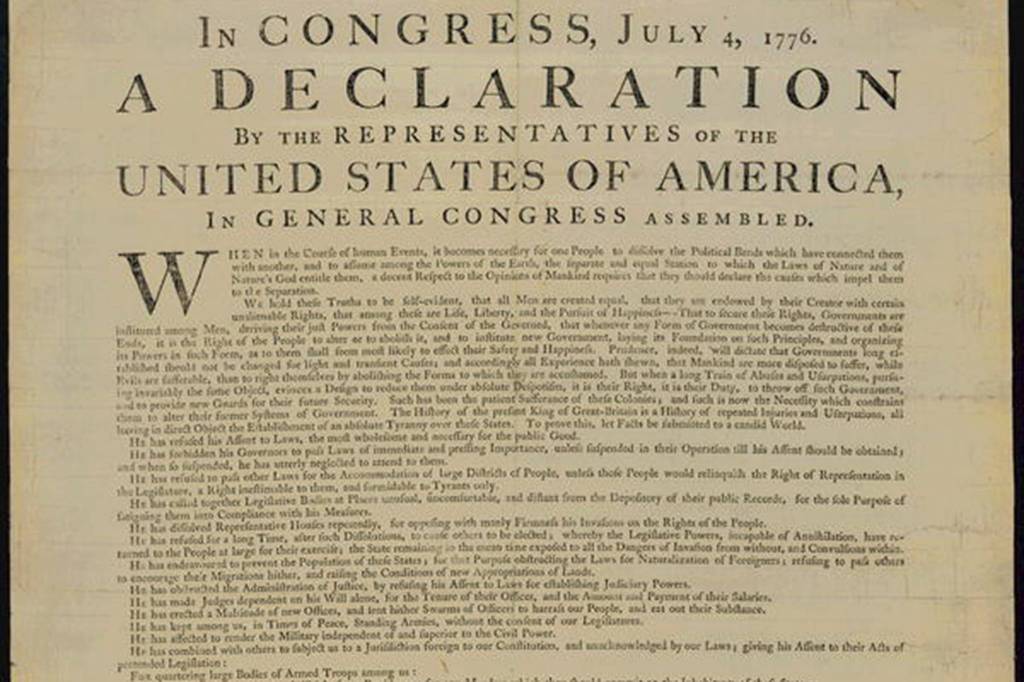
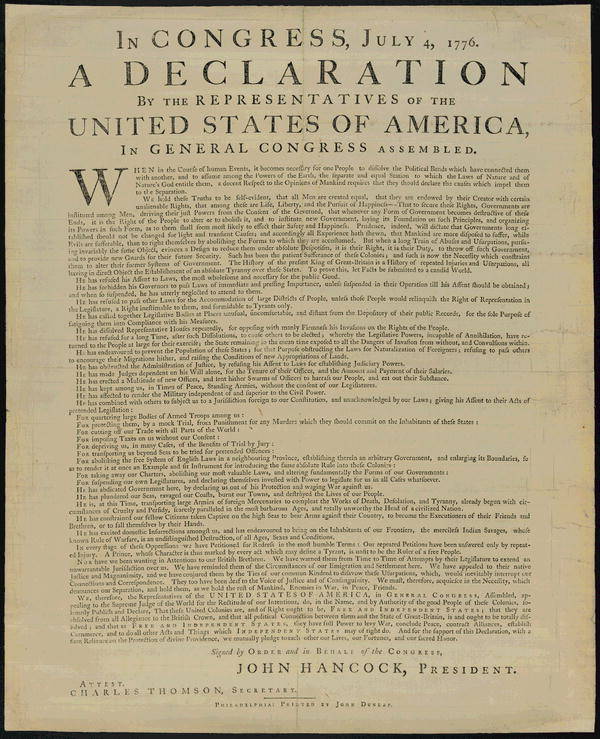
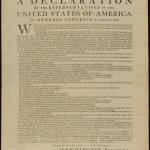
The Fourth of July is a good time to revisit our Declaration of Independence, but there’s some relevant, historic background that is not usually discussed. Rather than just declaring independence from King George III, that document set the stage for greater involvement by France and Spain. Without their help, the 13 colonies had no chance to win a war with England.
Before explaining more, here’s why U.S. history deserves attention. Most Americans don’t know or understand their own history. According to recent analysis:
Fewer than half of American college students in one study could place the Civil War within the correct half century. More than a third of the general public cannot name any rights protected by the First Amendment. Nearly three-quarters of Americans can’t name the three branches of government. Only 12% of U.S. high school students are scored “proficient” in American history. Many elite colleges and universities don’t require undergraduates to study U.S. history.
The “shot heard round the world” was fired on April 19, 1775, over a year before the declaration was signed on July 4, 1776. That proverbial “shot,” when the Red Coats and the Minutemen clashed at Lexington and Concord, started the war. The peace treaty ending that war wasn’t signed until 1783. How did 13 colonies hold off a superpower for all those years? We had help. That’s why the Declaration of Independence, properly understood, was really a declaration of our dependence on England’s historic adversaries for major military and economic support.
The history of Western Civilization tells us that when it comes to fighting wars, the enemy of my enemy is my ally. France and Spain were England’s adversaries; they often battled for world dominance. Colonial America would have had no chance to beat England without foreign help which first came in the form of guns, ammunition and gunpowder. As today’s superpowers engage in nation-building, so did they back then. But there were still limits. It’s one thing to quietly supply the weapons of war to the colonists, it’s quite another to openly provide armies and naval support as well as globally engage the British Empire.
Before full-fledged support of our Revolutionary War, France and Spain needed assurance that they would be fighting to help a new nation gain its independence and not engaging in a civil war. That’s a central reason why the Declaration was written when it was.
The Declaration of Independence was a war-time political statement for multiple audiences. First, it told King George III that his former colonies were now independent. But earlier, in October of 1775, that same king had already told parliament that our “rebellion is manifestly carried on for the purpose of establishing an independent empire.” Second, the Declaration also told Louis XVI of France and Carlos III of Spain that they could now openly support our newly formed nation in its revolt against England. France and Spain had already been helping behind the scenes, but without increased military help, especially from France, we didn’t stand a chance.
The above conclusion isn’t mine. It comes from a 2016 book: “Brothers at Arms: American Independence and the Men of France and Spain Who Saved It,” by Larrie D. Ferreiro. Our statewide library system has six copies of this scholarly, 429-page book. It provides supporting evidence including explicit, written accounts, documentation from key contemporaries, names academic historians recognize. Reading just its 25-page introduction covers the basics, but there’s another option.
C-SPAN’s Book-TV website has a catalog of video presentations searchable by author or title. When asked during a 2017 Q&A about the recent theory (now being promoted by the New York Times) that to maintain slavery, the colonists wanted to revolt against England which was about to abolish slavery, this author had a two-part answer. First, England financially benefited from slavery via its sugar plantations in the Caribbean and then had no plans to relinquish that revenue. Second, his research found no evidence that our Revolutionary War was fought to maintain slavery in the United States.
Americans should learn more about all their complicated, multi-cultural background, but depend upon reliable sources with solid academic credentials.
• Mike Clemens is a former statewide budget analyst. He resides in Juneau. Columns, My Turns and Letters to the Editor represent the view of the author, not the view of the Juneau Empire. Have something to say? Here’s how to submit a My Turn or letter.