
Congratulations to new Assembly members, and thank you, Assembly and Mayor for opening discussion about tourism and Juneau’s future.
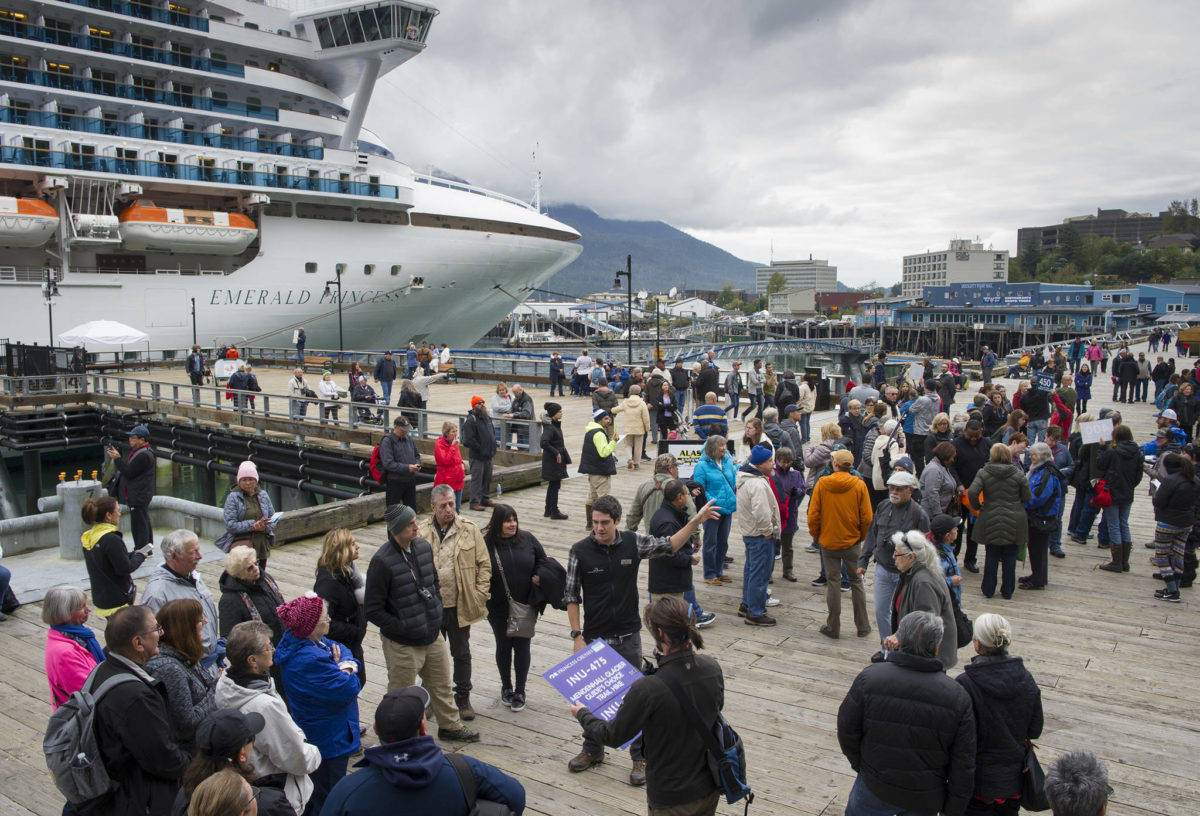
Our current approach isn’t sustainable. Tourism does contribute significantly to our community, providing seasonal and year-round income and jobs for our families, friends and neighbors. But, instead of a paradigm of sustainable tourism maintaining small town quality of life, Juneau is becoming just another over-run third-rate stop for cruises.
Juneau residents like me respect tourism, and its contributions, yet, have become increasingly concerned that tourism is unchecked, and beginning to pollute our rich culture, environment and quality of life.
As we conclude another summer of over 1 million visitors, the tipping point is at hand. I am writing a discussion paper that recognizes and applauds the positive economic impact of the tourism industry in Juneau. This summer cruise ship passengers were projected to spend over $212 million in our town. Its reported revenue helps create nearly 3,000 full- and part-time jobs. And we’ve reached our limit.
We’ve passed the sustainable limit of people, ships, planes, charters and buses eroding Juneau’s natural beauty, visual as well as incredible sounds.
It is irresponsible to continue to sacrifice the healthy ecosystems, neighborhoods, nature walks and small-town amenities, we cherish. These are the very essence of what attracts visitors to Juneau in the first place. It is critical we act to build a sustainable future for us and tourism.
It’s time to significantly strengthen Juneau management and regulations of tourism. Instead of current well-meaning voluntary oversight by Tourism Best Management Practices, we need a system managed and ultimately enforced by the City and Borough of Juneau focused on the well-being of the community, sustainable tourism and Juneau’s future. Tourism, should not be managed by the tourism industry and the Harbor board. It should be managed by representatives of people of Juneau.
I recognize this is a bold proposal. With this in mind, I reached out. Several folks helped me draft a discussion paper and proposed guiding principles for moving to sustainability in Juneau’s tourism. I will share the draft with the Assembly and urge them to discuss tourism limits, specifically, within their task force. Among other ideas of framework principles, it encourages the formation of a new coalition including neighborhood representatives, elected officials and local business owners to set standards for tourism operators.
This group would solicit public input in the development of clear and enforceable guidelines allowing tourism to thrive while focused on sustainability of the community. It would establish a tourism ombudsman with enforcement powers to gather information, monitor and ensure people of Juneau have a voice.
Here are a few highlights. First, establish a cap on the number of cruise ships and visitors allowed each year. There are limits to how many visitors we can squeeze into our community, how much extra trash we can collect and dispose, how many buses fit onto our roads, how many boats on the water, and how much more we can strain ecosystems and wildlife. Currently, there seems to be no guidelines to keep the enormous wave of tourism from building into a devastating tsunami.
Second, noise and pollution regulations should be strictly enforced to reduce the impact on neighborhoods, harbors and surrounding environment.
Third, tourism impacts on wildlife must be recognized, monitored and minimized. Aside from fishing, hunting and respectful observation, wildlife shouldn’t be disturbed. Federal law regulates how close vessels can come to humpback whales. A local regulation should be established to limit the number of sightseeing and charter boats on the water and allowed in proximity to marine life at one time.
Fourth, CBJ should refrain from using public shore lands and access corridors to establish commercial properties for private use that compete with already existing businesses. From Auke Bay to Thane and False Outer Point to Sandy Beach, Juneau’s waterfront is spectacular and should be managed for community access and use.
We’ve reached an unsustainable-imbalance. We must decide: will we trade Juneau authenticity, quality of life and ecological health in hopes of extracting more profit from the growing deluge of tourism? These aren’t new concerns. But they are more urgent than ever; and the future is in our hands!
• Jim Ayers was executive director of the Exxon Valdez Trustee Council from 1993-1995, served as chief of staff for Gov. Tony Knowles from 1995-2002, was director of the Alaska Marine Highway System from 1989-1992, and was Vice President of Oceana (International Ocean Conservation Organization) from 2002-2011. He is currently a consultant with a focus on conservation. He has resided in Juneau for 40 years. My Turns and Letters to the Editor represent the view of the author, not the view of the Juneau Empire.
