Opinion: The Trump administration is reviving timber production in Southeast Alaska
Published 10:30 pm Sunday, September 7, 2025


For two decades, Alaska’s timber communities have suffered from failed policies in Washington. Time after time, we’ve seen successive administrations issue decisions and impose sweeping restrictions impacting our forests, beginning with the Clinton administration’s 2001 Roadless Rule, which stripped access to vital resources, shuttered sawmills, and left rural families wondering whether their government had forgotten them.
In 2016, the Obama administration directed the Forest Service to amend the Tongass National Forest Plan, reducing opportunities for timber harvest on the forest. They could have promoted active management of the forest; instead, they delegated land management to the State of Alaska and encouraged timber harvest on state lands instead of federal lands.
President Trump began to right the ship during his first term through the repeal of the 2001 Roadless Rule, which gave the Forest Service additional opportunities for timber harvest. Soon after, the Biden administration made the disastrous decision to restore the 2001 Roadless Rule. They also issued a disastrous executive order that made it nearly impossible for the Forest Service to harvest timber in Alaska.
Biden then introduced the Southeast Alaska Sustainability Strategy (SASS), which put an end to all large-scale logging and only permitted very small timber sales. This included halting three large timber sales planned under the first Trump administration. The Biden administration invested $25 million to implement SASS, which ultimately failed to deliver a meaningful timber harvest and support local mills.
The result was predictable: lost jobs, broken promises, and a devastating blow to rural prosperity in Southeast Alaska. Because of Biden’s policies, the Forest Service averaged selling a mere 2.5 million board feet of the 46 million identified in the Tongass National Forest Plan.
These weren’t just simple policy missteps. They were deliberate choices that compromised the livelihoods of hardworking Alaskans.
Why? To appease environmental activists thousands of miles away.
By effectively locking up vast portions of the Tongass National Forest, previous administrations abandoned one of America’s greatest working forests and turned their backs on the people who depend on it.
Under President Trump’s leadership, USDA is charting a new course. At my direction, we are putting rural communities back at the center of our mission and restoring timber production as a cornerstone of the Tongass economy.
From sawmills that support local construction to the specialty woods used to craft world-class musical instruments, the Tongass National Forest matters to all of us.
That’s why we are taking decisive action to end failed policies and ensure the Tongass is once again managed as Congress intended — for multiple uses, including timber production. We are restoring a reliable, sustainable supply of timber that sawmills can count on year after year, because Alaskans deserve stability, not broken promises.
And we are standing with rural families; by supporting sustainable timber harvest on the Tongass, we give people a reason to stay, build careers, and raise families in their hometowns, while also supporting Alaska Native corporations and strengthening Alaska communities.
USDA is proud to play its part in turning the page. The choice between healthy forests and thriving communities is deceptive. The Tongass is one of America’s greatest working forests. It can and should sustain healthy ecosystems and strong economies. Pretending that conservation requires abandoning timber has always been a false choice, and one that has punished Alaska families most of all.
To Alaska’s timber workers and rural families, the message is simple. We hear you. We value you. And we stand with you. The days of Washington turning its back on Southeast Alaska are over.
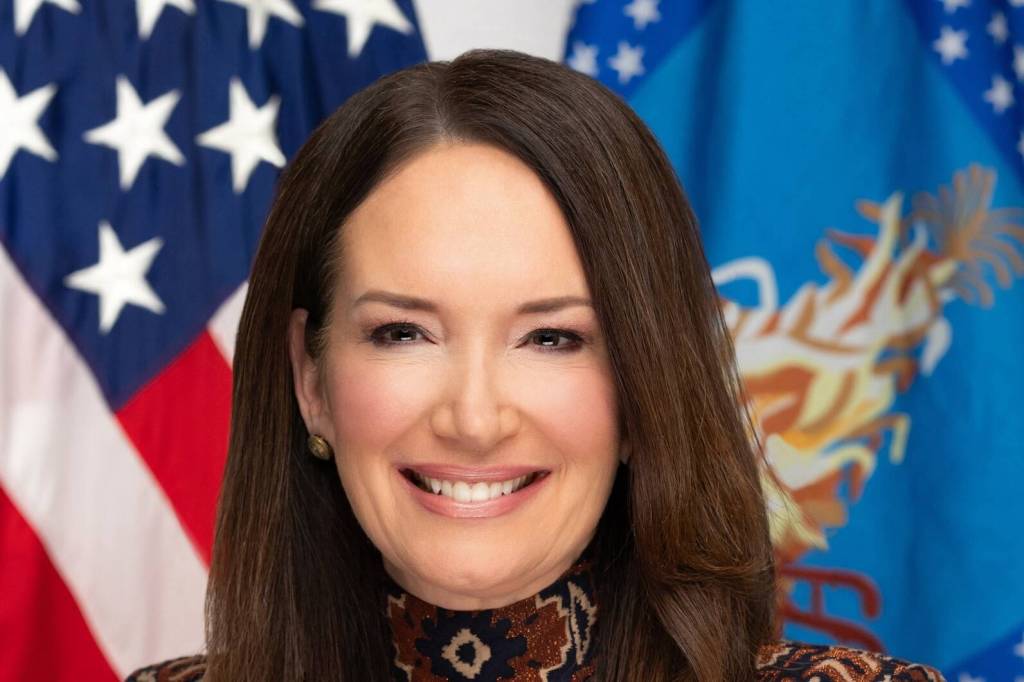
Brooke L. Rollins is the 33rd United States Secretary of Agriculture.