Opinion: The salmon way is worth fighting for
Published 3:00 am Tuesday, February 18, 2020


Inside the dim smokehouse, the dazzling riches before me illuminate the space. The bright orange flesh of salmon fills the room. It’s like I’ve stepped into the treasure-filled tomb of an ancient king. But a gold crown or bejeweled scepter isn’t particularly useful in Alaska. True wealth is found in smokehouses, fish holds and freezers full of salmon.
Intrigued that Alaska is our country’s last salmon state, and one of the world’s last places where wild salmon still thrive, I set out to explore the human relationships that revolve around these remarkable fish. Commercial fishermen took me on as crew; Alaska Natives taught me to preserve fish and culture; and sport fishermen showed me where to cast my line and mind. Alaskans everywhere, regardless of their backgrounds, shared their salmon riches and stories with me in their kitchens, cabins and fish camps. Everyone said that salmon are a gift — to the land, water, animals, plants and people. And when you’re on the receiving end of a gift, you give thanks and you give back. It’s the salmon way. This generosity of spirit forges relationships, and relationships create communities. Without salmon, I was told, there would be no community.
Without salmon, there would be no salmon economy. Of all the species in the Alaska seafood industry, salmon are responsible for the greatest economic impact. Current figures for the commercial salmon fishery show 816 million salmon harvested, resulting in $744 million in ex-vessel value, $1.7 billion in first wholesale value, $1.7 billion in labor income, and 32,900 jobs. The sportfishing industry, fueled in large part by salmon, supports 16,000 jobs and brings $1.4 billion to the state. But how do you put a dollar value on salmon that have built Alaska Native cultures for millennia? Or time spent with family and friends dipnetting for dinner?
Throughout my travels, I asked everyone I met how he or she values salmon. Whether people fished for their food, livelihood, or fun, everyone gave me the same answers: family, community, culture, connection to the land and way of life — values too precious to reduce to dollars and cents, and senseless to try.
That wild salmon still endure in Alaska in the 21st century, when they’ve been decimated in much of the Pacific and Atlantic oceans, is a testament to their resilience and their habitat remaining largely intact. It’s also a testament to a different state of mind that respects the relationship between salmon and people. Salmon were a driving force for statehood in 1959, and Alaska prioritized maintaining its salmon runs for its citizens in perpetuity. Whether this is being accomplished is a matter of fierce debate in meeting rooms and living rooms, in headlines and along coastlines, and in homelands and home streams. This much is clear: a salmon-filled future in Alaska depends on people fighting for the fish more than fighting over them.
Threats to salmon in Alaska include those that are preventable — overfishing and habitat destruction — and those that are unknown, particularly the effects of a changing climate and acidifying ocean. Whether it’s the Pebble mine in Bristol Bay, a dam on the Susitna River, Canadian mines polluting the transboundary rivers flowing into Southeast, or habitat degradation in the Tongass salmon forest, we lose salmon one stream at a time, one fishery and family at a time. It’s a slow death, but in the blink of a few generations the fish and ways of life they supported are gone. Pretty soon, people don’t remember what they’ve lost. “You don’t know what you have until it’s gone” can serve as a warning in Alaska. Truth is, the salmon people of the salmon state know and value what they have. It’s just hard to imagine losing it. We live in a time where salmon won’t be around if we’re not proactive in conserving what they need—freshwater systems to spawn and rear and a productive ocean to mature. Salmon are hardy creatures, but they can’t endure habitat destruction.
There’s still time to get it right. Alaska is a place where history doesn’t have to repeat itself. Where the salmon way is still a way of life. And where true wealth is measured in silver scales.
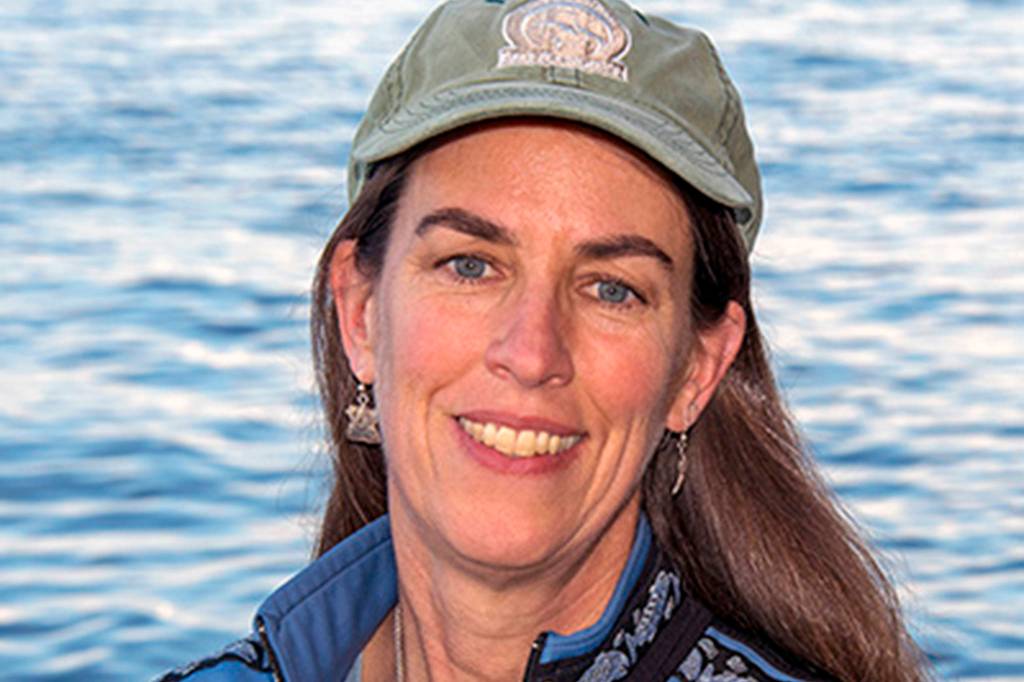
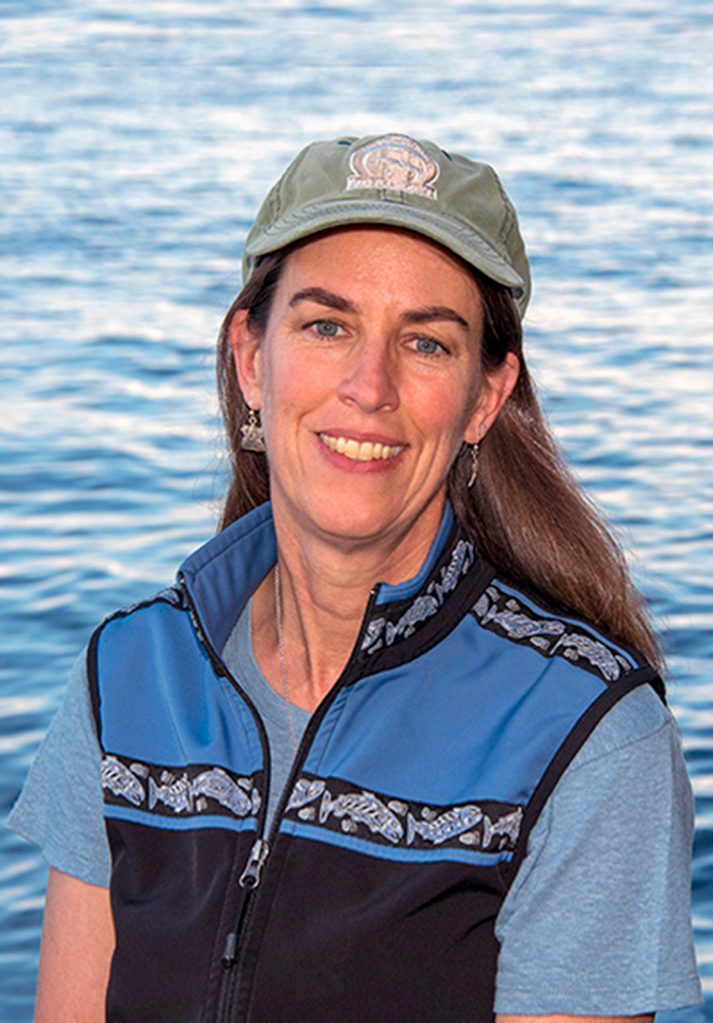
• Amy Gulick is the author/photographer of “The Salmon Way: An Alaska State of Mind.” A photographic exhibit based on her book is currently on display in downtown Juneau at Devil’s Club Brewing Company. She resides in Clinton, Washington.