
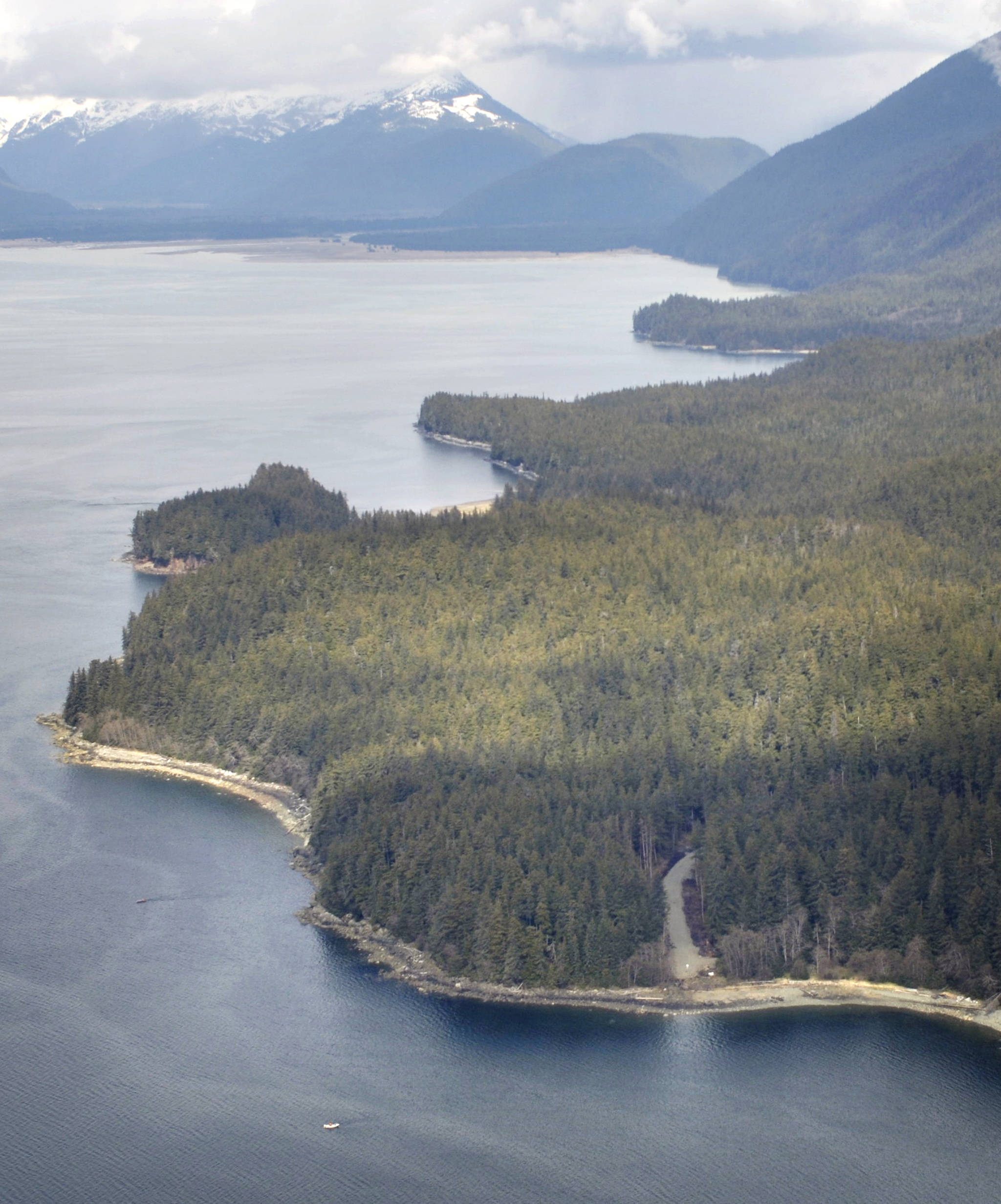
The idea of building a new ferry terminal at Cascade Point is another bad idea in a series of misguided attempts to improve travel in the Lynn Canal corridor. But this story isn’t about career civil servants making bad decisions. It is government waste caused by politicians making uniformed decisions in pursuit of a mythical creature called efficiency.
Coast Guard regulations, marine engineering technology and geography combine to make day boat service in Lynn Canal a challenging proposition. The Coast Guard limits ferry crews to 12-hour workdays. It takes a lot longer than that for the monohull ferries operated by the Alaska Marine Highway System to travel from Auke Bay to Haines, Skagway and back.
That’s why two crews are required to make each trip. Both could travel to and from their Juneau homeport because the state’s fleet of ferries were outfitted with crew quarters. But it’s an inefficient operation for policy makers focused on reducing government spending. And for anyone who believes building a highway up the east side of Lynn Canal is economically justifiable.
[Opinion: The solution to every problem isn’t always spending more money]
In 2000, the Tony Knowles administration decided the highway option was too expensive. He opted to build two high speed ferries like the three which had recently been put into service in British Columbia. And just like the B.C. government skipped the sea trials recommended by its marine engineers, Knowles went forward with his plan without supporting recommendations from AMHS engineers.
The $36 million Fairweather made its maiden voyage up Lynn canal in 2004. But the efficiency gained in terms of travel time were offset by dramatically increased fuel consumption. And it’s been frequently taken out of service for costly engine repairs.
Now we’re about follow B.C.’s lead again. In 2009, they sold all three to the United Arab Emirates. Ours will soon be up for sale.
Before those results were even in, Gov. Frank Murkowski revived the Lynn Canal highway project. Except instead of going all the way to Skagway, it would end at the Katzehin River across from Haines.
[Opinion: Getting rid of the ferry system will hurt Alaska’s economy]
And in 2006, he awarded a design contract for “a new class of Southeast Alaska Shuttle Ferries.” With “roll on-roll off” loading from the bow and stern, they were intended for the short runs between Katzehin, Haines and Skagway and possibly other Southeast links.
That was premature for a different reason. The highway project was stopped by a lawsuit in which environmental organizations successfully argued the state should have evaluated a ferry option to the proposed road.
After that, designers were told to include side doors and crew quarters in the new ferries.
Then politics jumped ahead of engineering in the Sean Parnell administration. After reviving the Juneau Access project, he reverted to Murkowski’s Alaska Class Ferry concept. They told design consultants and the public that their primary route would be from Juneau to Haines with a connecting ferry to Skagway. But all along they knew that at the efficient hull speed, the ship’s crew would be pushing a 12-hour day just going from Auke Bay to Haines and back.
[Opinion: Don’t throw the baby out with the bathwater]
Some will argue that all these problems disappear if the road were built. But that ignores the state’s findings that all the costs associated with it exceed its potential benefits by more than three to one.
In any case, it’s not being built now. But the new ferries were. And no one should be surprised that they can’t function as day boats.
But I am surprised Gov. Mike Dunleavy is considering applying a $27 million Band-Aid that does nothing to fix the mess.
At Cascade Point, Alaska would get a terminal that can only be used in the spring and summer because it won’t be adequately protected from strong winter winds. It won’t have drinking water. Instead of public restrooms, there will be pit toilets. And as if to parody the whole idea, the solid waste frequently pumped from those will have to be trucked back to the Auke Bay wastewater treatment plant.
Competent engineers wouldn’t offer this solution. But they would, as Kirk Miller has done in his letter to the deputy commissioner, tactfully list all the reasons that make it a bad project. And hopefully his politically appointed bosses won’t do what their predecessors did by suspending reality to satisfy the whims of the person Alaskans elected governor.
• Rich Moniak is a Juneau resident and retired civil engineer with more than 25 years of experience working in the public sector. He contributes a weekly “My Turn” to the Juneau Empire. My Turns and Letters to the Editor represent the view of the author, not the view of the Juneau Empire.
