
By Matthew Donohoe
There has been both good news and bad news about wild salmon coming out of the Northwest in recent weeks. First, the bad news: In January, the state of Washington released a sobering report that concluded many of Washington State’s wild salmon populations could soon become extinct if meaningful action wasn’t taken – and quickly. Then some good news: A few weeks later on Feb. 6, Idaho Rep. Mike Simpson, a Republican, released a groundbreaking proposal to remove the four lower dams on the Snake River and restore a 140 mile stretch of river and reconnect salmon to more than 5,000 river and stream miles of high quality fish habitat. Simpson’s bold initiative gives the Snake River’s endangered salmon populations a potential lifeline. His proposal was greeted with cheers not just in the Northwest, but in Alaska as well where Snake River Chinook salmon spend their time feeding and growing before migrating back to the Snake River Basin to spawn. These mighty fish have shaped Southeast Alaska’s fisheries, communities and economy for decades. Alaska and Washington are inextricably linked and our futures are equally on the line.
Simpson’s ambitious proposal to restore a free-flowing lower Snake River as part of a larger regional investment package is not a new idea. For decades, commercial fishermen, sport fishermen, conservation groups, Northwest tribes, and fisheries scientists have advocated for the removal of four costly federal dams on the lower Snake River to protect and recover its imperiled salmon and steelhead populations. Instead, federal agencies have spent more than $17 billion dollars on six different plans over the past three decades that focused more on saving dams than saving salmon. The courts have rejected them all as inadequate and illegal – as salmon populations declined and fishing opportunities vanished.
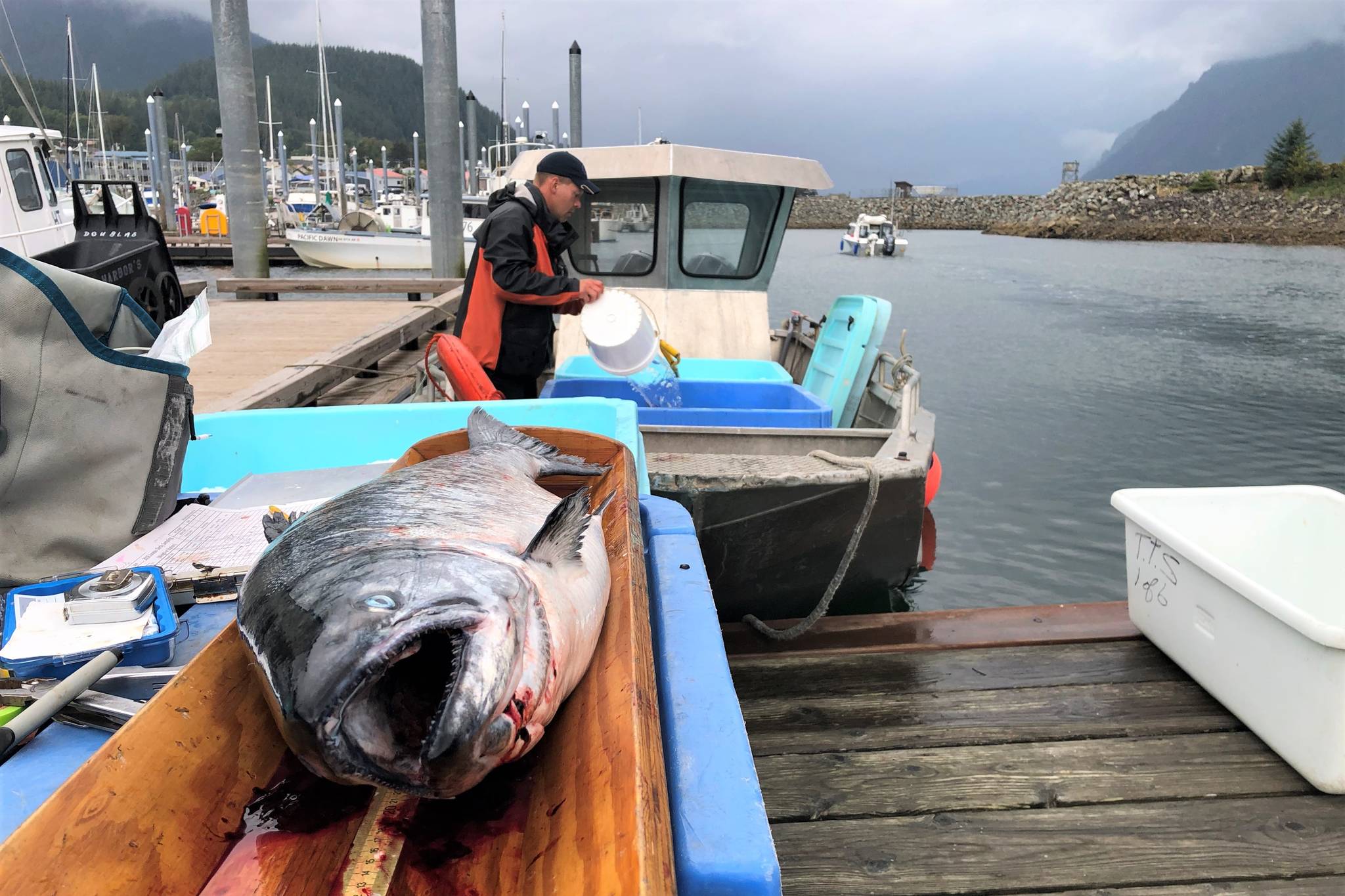
The steady decline of Chinook salmon populations in the Snake River has harmed commercial and charter salmon fisheries here in Southeast Alaska. We’ve had to cut our harvests year after year to help protect Snake River Chinook salmon as they swim through our coastal waters. In order to protect salmon endangered mainly by federal dams and reservoirs in the Columbia River Basin, Southeast Alaska’s fishermen have made big sacrifices, including huge cuts in their fishing income. Today, in order to make ends meet, many troll fishermen are fishing longer seasons and fishing with less crew, or — in the worst case — selling their boats and permits. These impacts haven’t just been limited to fishermen though; the burden of the Snake River dams has taken a toll on our entire region.
We’re excited to see Simpson step up and offer a path that could bring Snake River salmon back from the brink, and in doing so provide Alaskans some economic stability at a time of unprecedented change and uncertainty. More importantly though, Simpson’s proposal is a demonstration that if we want wild salmon in our future, then we must support wild salmon restoration regardless of which state we live in. The Snake River’s salmon live without borders; they provide income, recreation, and food to us all. We need Alaska’s members of Congress to stand with Congressman Simpson and make sure Alaska is part of the conversation and a champion for real solutions that will save the Snake River’s wild salmon and our livelihoods from extinction.
• Matthew Donohoe is president of the Alaska Trollers Association. He has been a commercial fisherman for the last 40 years. Donohoe moved to Alaska in 1973. He resides in Sitka. Columns, My Turns and Letters to the Editor represent the view of the author, not the view of the Juneau Empire. Have something to say? Here’s how to submit a My Turn or letter.
