Opinion: Roadless Rule and the Tongass should remain intact
Published 3:00 am Wednesday, February 6, 2019
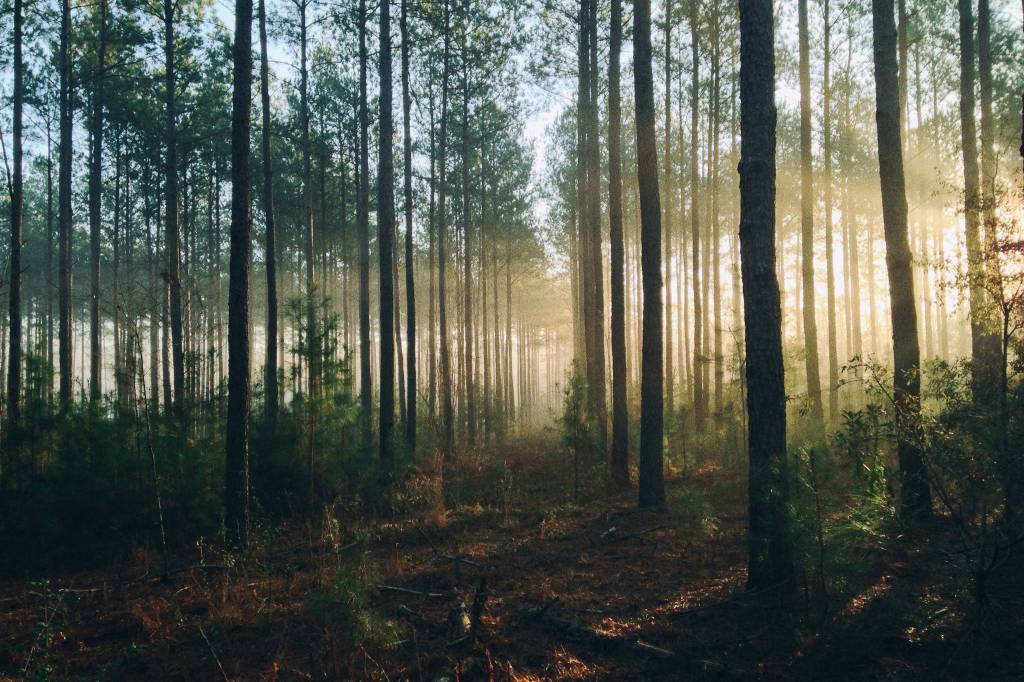
These days I have to drive to hike, but as a young adult I lived in Sitka where I had the joy of exploring the Tongass National Forest at my doorstep. What a place! Unspoiled for more than a hundred years, this is what a true forest looks like. The lack of clear cuts in Sitka was a revelation to me. It was much harder to find intact forest in the Washington state of my youth.
My years of enjoying the forests of Sitka, however, coincided with a time of conflict over the then newly released Roadless Rule. This critical rule limits costly and environmentally-damaging road building and logging in unroaded areas of national forests. It protects taxpayers from expensive road projects and preserves wildlands with high conservation value across our nation.
Thankfully, record-breaking public outcry helped to successfully block President George W. Bush’s efforts to rollback these critical roadless protections just days after they were finalized.
[Opinion: Lift the Roadless Rule for the Tongass]
In the two decades since then, the Roadless Rule has protected approximately 58.5 million acres of our national forests. Despite this success, it is under attack again. I was one of the many who spoke out for the Roadless Rule at its inception, and I’m standing up for it now — for Sitka and all of us.
Sitka, like many other parts of Southeast Alaska, is a place people dream of visiting — and for good reason. There were days in the high season when the throng of tourists from cruise ships clogged downtown Sitka. I endured it by imagining the older visitors were great aunties and uncles and with the realization that those visitors are also the economic backbone of the region. Twenty-six percent of jobs in Southeast are in tourism. What do tourists come to see? Our majestic forest. No one wants to visit a clear cut or other devastated area.
[Roadless Rule commmittee questioned at first meeting]
But tourism is not the only reason I’m speaking up for the defense of the Tongass and the Roadless Rule that protects it.
Climate change is already hurting Alaska. Some impacts are obvious — the Mendenhall Glacier today is nothing compared to the one my grandparents experienced in the 1940s. I worry what today’s kids will experience as the impacts of climate change mount. We cannot ignore that the Tongass ecosystem stands as the country’s single most important national forest for carbon sequestration and climate change mitigation. Some Southeast communities have shown that sequestration can also be monetized through participation in regulated carbon markets — earning money by not logging. With parts of Alaska warming at roughly twice the rate of the rest of the planet, maintaining this critical ecosystem advances climate change solutions for our national and international climate efforts, and locally for Alaskans — and the Roadless Rule is a critical part of its protection.
[Court invalidates four timber sales in Tongass National Forest]
As they push for a state-specific (weaker) rule, Alaska’s state officials have tried to suggest that the Roadless Rule does not provide flexibility for infrastructure projects that support telemedicine, energy infrastructure and access roads. But that talking point doesn’t ring true. The Roadless Rule was specifically written to be flexible in these areas. My concern is that Alaska is actually looking to “pave the way” for new logging projects. Alaska’s state budget is so challenged that state officials might look to the short-term economic benefits of resource extraction without examining the long-term toll on the health of residents, tourism and the environment.
From a national perspective, it’s also hard to see how it makes financial sense to build expensive roads in the remote bogs and mountains of the Tongass National Forest, when the Forest Service already faces a crippling backlog of expensive maintenance for existing infrastructure.
In short, keeping the Roadless Rule makes economic, environmental and social sense. Upending it puts in jeopardy a robust tourism economy, invites uneconomical road projects and undermines climate resilience. For Alaskans, taxpayers and American’s across the Lower 48, the Roadless Rule in Alaska — like the majestic Tongass it protects — should be left intact.
• Elizabeth Brandt lives in Chevy Chase, Maryland.
• Elizabeth Brandt live in Chevy Chase, Maryland. My Turns and Letters to the Editor represent the view of the author, not the view of the Juneau Empire.