
By Paulette Simpson
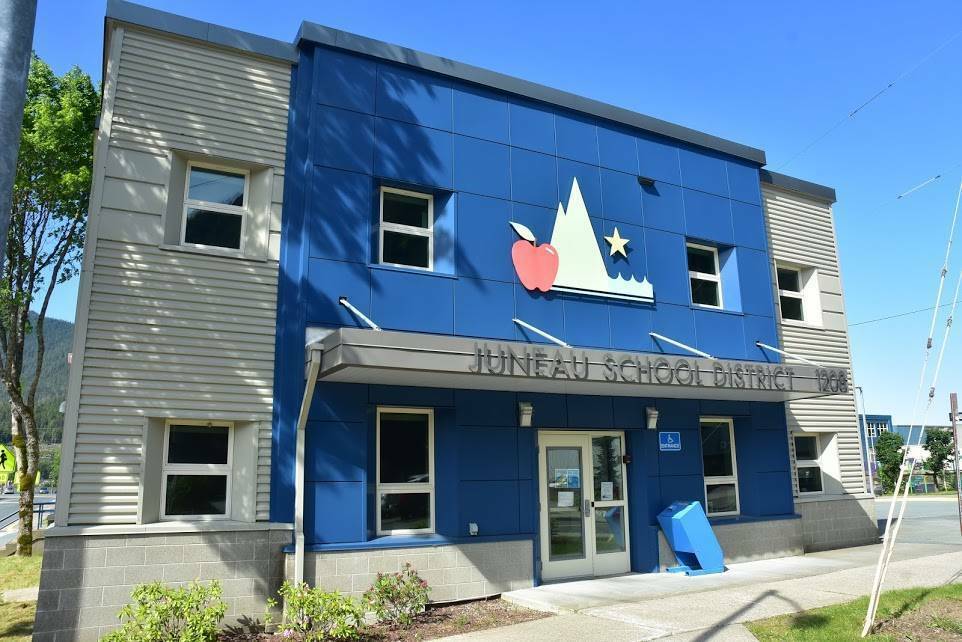
The April 4 memo from City and Borough of Juneau Manager Rorie Watt to the Borough Assembly and Board of Education was titled “Demographic Trending and Facility Planning.” It was included in the April 7, 2022, agenda for the joint Assembly/ School Board facility planning meeting.
Attached to the memo was the October 2022 Juneau school enrollment forecast prepared by trusted long-time CBJ consultant Gregg Erickson.
Three sentences in the City Manager’s memo jumped out: “This current forecast should cause all policy makers to sit up and take notice.” And…. “If the projections are accurate, and there is not much reason to doubt them, then it is more appropriate to add potential school closure into the mix of the discussion about facility renovations. This will be a difficult topic to discuss.” Manager Watt recommended the Assembly and School Board prioritize this discussion.
In February, KTOO reported that Fairbanks, faced with declining school enrollment and tight budgets closed three schools, choosing to fund students instead of unnecessary facilities.
Are any Juneau policy makers paying attention?
Four years ago, in May 2018, consultant Erickson noted that Juneau School District enrollment counts have been in decline since 2004.
But in 2018 Juneau’s elected officials and the public were distracted by an aggressive campaign to construct a Juneau Arts and Cultural Center – an effort that despite having failed at the polls in 2019 is being resurrected.
According to Watt’s April memo, Juneau’s “peak” school enrollment in 1999 was 5,701. The Erickson forecast for October 2022 is 4,225 and by 2032, Juneau’s total school enrollment is forecast to drop to 3,035.
Unless Juneau consolidates its facilities, in ten years the CBJ will be taxing Juneau property owners to operate and maintain 11 public school buildings: six elementary schools, two middle schools and two high schools plus the former Marie Drake junior high school building – for just 3,035 students.
According to the Juneau Economic Development Council, by 2025 our senior citizen population is projected to hit 24 percent. Juneau is upside down. We have too many school buildings for our shrinking student population and a shortage of housing for our growing senior population.
Communities across the country experiencing similar demographic shifts have converted no longer needed school buildings to affordable senior housing. Get on Google and see for yourself.
Juneau could do likewise since Erickson predicts that between 2022 and 2032 Juneau will lose 663 elementary school students. That is more than the current enrollments of two of our elementary schools combined.
One of the benefits of repurposing school buildings is that as critical facilities, they are originally built to the highest possible standards of construction. Repurposing would keep Juneau architects, contractors, and construction workers busy for years.
But the CBJ is again distracted, planning millions of dollars in new municipal construction: $41.75 million for a City Hall, $75 million for a convention center/performing arts facility, and an unknown amount to replace the City Museum.
Juneau does not need to build more major infrastructure or force taxpayers to fund operation and maintenance of unneeded municipal facilities. Why not repurpose what we already have and make the most of the investments our voters have generously supported?
What Juneau needs are creative, resourceful leaders who respond to the changing needs of the community and don’t ignore demographic reality – leaders who can guide the community to a sustainable future filled with far fewer students to educate and many more seniors to house.
And if a new City Hall and performing arts center are truly community priorities, then perhaps we should contemplate repurposing one of our high schools to accommodate the functions of City Hall and the performing arts. Note: Erickson predicts that by 2032, Juneau’s high school enrollment will total 1,104 students. It was 1,771 in 1999.
Initiating school consolidation discussions is not for the faint of heart, especially since it would complicate the efforts of those advancing grandiose projects – projects that can neither add students to our classrooms nor stop our residents from aging.
Juneau is already scarred with depressing examples of vacant commercial property. Converting unneeded school buildings into community assets is a challenging, wise, and responsible alternative.
It’s time to tackle this difficult topic.
• Paulette Simpson resides on Douglas.
