
“It is our duty as Alaskans to be at the forefront of climate change mitigation strategies and new resource opportunities.” — Alaska Center Climate Action Plan
Alaska’s elected officials share a common goal of solving Alaska’s structural revenue-expense imbalance. No more short-term band aids — we need long-term solutions.
Despite fossil-fuel naysayers, the oil industry will continue as Alaska’s main revenue source (outside of the Permanent Fund) in the near future. Seafood, tourism and mining will also contribute as significant components of the economy.
But the mining industry, more than any other, has the most potential for growth (and to put our people to work year-round) by providing the world with key components for electric-vehicle batteries and aid in the advancement of other critical green technologies.
In 2017, the World Bank released a report, titled “The Growing Role of Minerals and Metals in a Low-Carbon Future.” The report details how wind turbines, solar panels and batteries are all incredibly reliant on a myriad of minerals.
For more than a century, Alaska has produced a variety of minerals, especially metals produced from hard rock. Today, Alaska only produces gold, silver, lead and zinc in large quantities. Alaska was the top silver producer in the U.S. in 2017, and zinc and lead were the state’s top two foreign exports.
According to the Department of Natural Resources (DNR), our state has over 7,400 documented prospects. Alaska ranks 5th out of 83 worldwide jurisdictions in overall investment attractiveness by mining and exploration companies and ranks 3rd in mineral potential. (Fraser Institute Annual Survey of Mining Companies, 2018).
In 2018, DNR reported production of almost 16 million ounces of precious metals (gold and silver) and about 825,000 tons of base metals (lead and zinc). This is only a fraction of the estimated reserves potentially available for exploration and development in Alaska.
A report from McDowell Group, an Alaska-based economic consulting firm, says mining employed 9,200 Alaskans directly and indirectly during 2018, and injected $715 million in payroll into the state’s economy. Mine workers were among the highest-paid with an average annual salary of $102,100. Mining employees live in more than 60 communities throughout Alaska.
Estimated revenues to the State of Alaska from mineral-industry-specific fees, rents, sales, royalties and taxes amounted to more than $148.6 million in 2018. An additional $34.2 million was paid to municipalities.
Thousands of everyday products require mined metals, including electric vehicles. The minerals extracted from our mines are used in many of the technology tools we use today, from laptops to complex space-age devices.
The rise of green energy technologies required to reduce carbon emissions is expected to lead to significant growth in demand for a wide range of minerals and metals, such as aluminum, copper, lead, lithium, cobalt, manganese, nickel, silver, steel, zinc and rare earth minerals such as neodymium-used in magnets and electric vehicles.
The study points to the fact that most rare earth metals come from China or other areas of unrest, corruption, and human rights abuses such as the Democratic Republic of the Congo.
Alaska’s environmental awareness, regulations, and labor practices are clearly superior to most countries where mining occurs. Furthermore, there is real concern America could potentially be held hostage by China and others that have control of rare-earth metals and minerals that are critical to America’s economy and security.
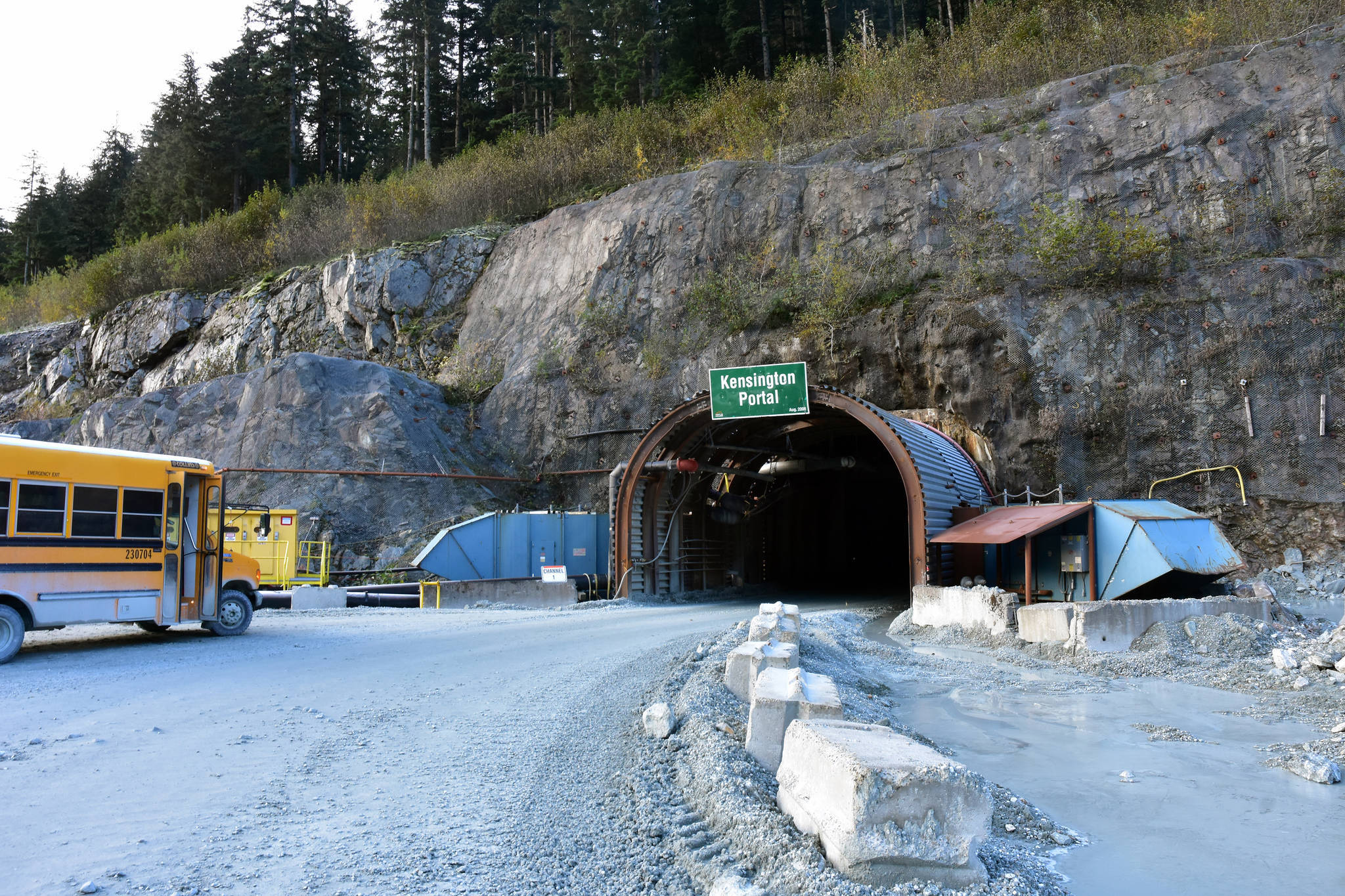
Objections to the expansion of existing mines like Greens Creek or Kensington near Juneau as well so potential mining projects like the Herbert River and Constantine prospects, or the rare-earth Bokan Mountain project in Southeast Alaska, are short-sighted. These projects would stimulate our economy, reduce dependence on foreign mineral sources, and improve global environmental quality.
Mining can and should be one of the cornerstones of true diversification of our natural resources and state and local economies. Gov. Dunleavy’s formation of the Alaska Development Team to help advance mining projects as well as stimulate other areas of the economy is a welcome start.
If we open our minds to the possibilities, Alaska can be a leader in the effort to supply our nation’s critical mineral needs. If we don’t, others will take advantage and it will be an opportunity lost.
• Win Gruening retired as the senior vice president in charge of business banking for Key Bank in 2012. He was born and raised in Juneau and is active in community affairs as a 30-plus year member of Juneau Downtown Rotary Club and has been involved in various local and statewide organizations.
