Opinion: Kavanaugh is bad for Alaska’s tribes
Published 6:00 am Tuesday, September 11, 2018
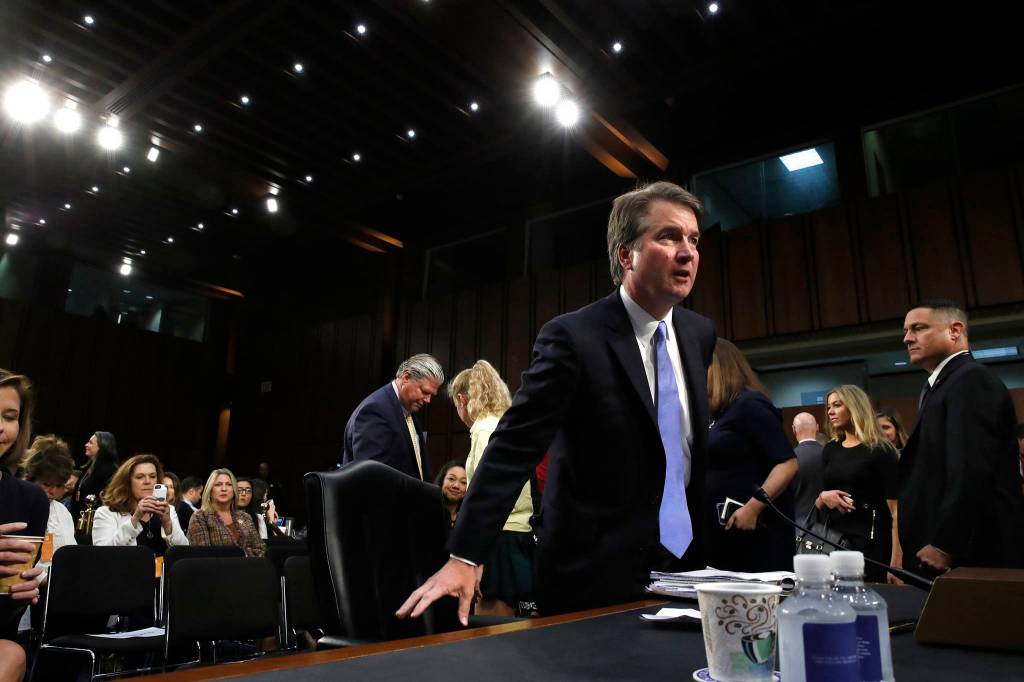
On Tuesday, Sept. 4, the Senate Judiciary Committee began confirmation hearings for Brett Kavanaugh, President Trump’s nominee to the United States Supreme Court. His confirmation is being painted as inevitable, and it will be unless our Alaska Senators take action to stop it.
Alaska tribes, despite being 4,000-plus miles away from the Capitol Hill hearing room, know the truth about Kavanaugh’s agenda and it could greatly endanger our rights and tribal sovereignty.
The Supreme Court is set to hear Sturgeon v. Frost, a case that calls into question control of Alaska’s rivers. Currently, the feds have authority over the waters, protecting subsistence fishing rights for Alaska Natives through “rural preference.” For many tribes and Alaska Natives, subsistence is a way of life rooted in the traditions of our ancestors and is foundational to the health and wellness of current and future generations. These are traditions that leaders like elder Katie John sacrificed greatly to protect. Subsistence fishing makes up only 2 percent of fish caught in Alaska, yet it accounts for two-thirds of subsistence foods harvested by Alaska Native people. Kavanaugh’s track record makes it clear that he would support a states’ rights ruling in this case to the detriment of subsistence and Alaska Natives.
Kavanaugh is also a danger to voting rights in the state of Alaska and across the country. In 2011, the Justice Department objected to a South Carolina voter ID law that threatened to block tens of thousands of people from voting — many of whom were people of color. When South Carolina took the issue to court, Kavanaugh wrote the opinion upholding the state’s discriminatory law. And he refused to include language put forward by the other judges on the panel that acknowledged the critical role of the Voting Rights Act in preventing racial discrimination in voting.
After the Supreme Court gutted the Voting Rights Act five years ago, states like Alaska have not been held accountable for voter suppression. If Kavanaugh is confirmed, he will support Chief Justice John Robert’s efforts to fully eliminate protections under the Voting Rights Act.
Kavanaugh worked against the interests of Native voters and indigenous peoples as an attorney. In Rice v. Cayetano, he co-authored a Supreme Court brief arguing that Hawaii violated the Constitution by permitting only Native Hawaiians to vote in elections for the Office of Hawaiian Affairs, a state agency charged with working for the betterment of Native Hawaiians. In an article, he stated how much he disagreed with the state of Hawaii’s practice, even more than his disapproval for race-based affirmative action: “Hawaii’s naked racial spoils system makes remedial set-asides and admissions preferences look almost trivial by comparison.”
Health care rights are also at stake. By selecting Kavanaugh to serve a lifetime appointment on the Supreme Court, Trump carried out his threat to nominate a justice who would overturn Roe v. Wade and undermine the Affordable Care Act. This will disproportionately jeopardize the lives of women, people of color, people with disabilities, and low-income families. In a case challenging the Affordable Care Act, Kavanaugh wrote a dissenting opinion that would have kept alive an attack on health care. Millions of people with pre-existing conditions might lose their protections with Kavanaugh on the Supreme Court.
Reviews of Kavanaugh’s judicial record show he has consistently ruled against protections for the environment and endangered species. As the effects of climate change roil the earth at rapid speed, we must curb its consequences. Instead, Kavanaugh’s record speaks to his rejection of EPA’s authority to regulate greenhouse gas emissions. Alaska Natives have a long and proud history of defending this land and its resources. We have no intention of staying silent now.
I do not speak on behalf of all Alaska Native tribes, but I know that our tribal values do not align with Kavanaugh’s judicial views. His lifetime appointment to the Supreme Court would bring destruction to the rights and way of life we have long fought for as Tribes, as Alaska Native peoples, and Alaskans and as Americans. We ask that Sens. Lisa Murkowski and Dan Sullivan vote against his confirmation.
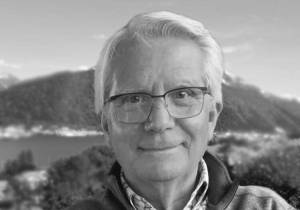
• Richard (Chalyee Éesh) Peterson is president of the Central Council of the Tlingit and Haida Indian Tribes of Alaska. My Turns and Letters to the Editor represent the view of the author, not the view of the Juneau Empire.