
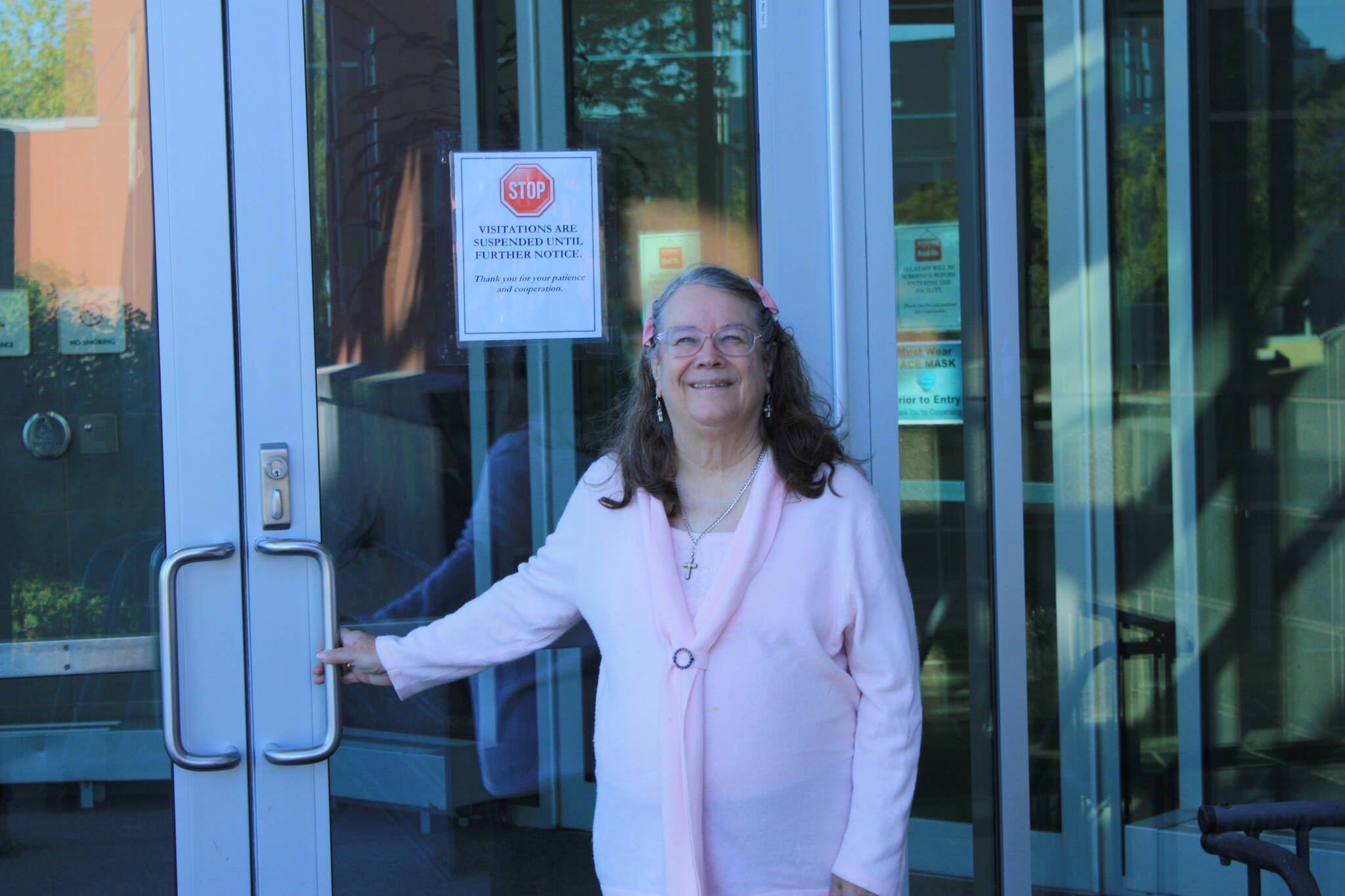
By Faith J. Myers
The latest State Ombudsman’s report was released on Feb. 8, 2022. In 39-pages, the report documents that the Alaska Psychiatric Institute was not meeting federal standards when providing patient care. The same report could have been written at any time over the last 50 years. In fact, over the last 15 years, there have been numerous reports of mismanagement at API, even to the point that API came close to losing its accreditation.
The poor treatment of psychiatric patients in Alaska demonstrates a level of disrespect. State agencies like the Department of Health and Social Services have not created the necessary partnership between disabled psychiatric patients and providers of psychiatric services. The Ombudsman’s report states: “the majority (68%) of treatment plans reviewed were not individualized.” Big savings for API, but at the cost of disrespecting patients.
I am not surprised by the conclusions of the ombudsman’s report. In my experience 20 years ago, psychiatric patients locked in psychiatric facilities were not provided an individualized treatment plan that accommodated people with a diagnosis of post-traumatic stress disorder or those who have experienced sexual or physical abuse. The cookie cutter treatment in mental health hospitals like API often ends up re-victimizing or re-traumatizing patients.
The ombudsman’s report also stated that API was not delivering “active treatment services needed to address the intensive needs of the most acutely mentally ill patients.” The new API hospital opened its doors in 2005 and was designed to have a patient treatment mall, but the treatment mall was removed from the hospital plan by DHSS to save the state money.
Any person locked in a psychiatric unit for more than three days should have access to a treatment mall. Psychiatric patients that are confined to a single small unit will not be properly socialized at the time of their release. And successful re-integration back to the community will be more difficult. A treatment mall is a place where patients can socialize with other patients from different units. It is also an efficient way to connect patients with social workers and to provide other needed treatments. 12 years ago, the CEO of API stated that the hospital considered the hallway as a treatment mall.
Sixty-five years ago, disabled psychiatric patients in Alaska were turned over to the U.S. Marshalls and transported to a psychiatric hospital in Oregon, without much fanfare or voice in the process. There was not even a pretense of creating a partnership between the patient and the state. Today the state is going through the pretense of creating a partnership between the providers of psychiatric services and the psychiatric patient, but in truth, not enough has changed in psychiatric patient rights in the last 65 years. And there is no working partnership.
When I was a patient in API in 2003, I would have scheduled meetings with a “treatment team.” The doctors and clinicians would talk in front of me and state what they were going to do with me. When I would bring up the point that I was being traumatized by certain hospital policies, or that I had no glasses and could not see properly, my concerns were ignored. There can be no real individualized treatment plan or partnership if patients can be left out of the conversation.
As of today, there is no healthy partnership between hospital staff and psychiatric patients at API. The inferior treatment of patients that has been pointed out by the State Ombudsman makes that point. The March 18th, 2019 report by the State Ombudsman concerning API is even more troubling: The ombudsman stated that it appears that staff is turning a blind eye to patient-on-patient assaults. And that API does not reasonably protect patients from excessive or unnecessary use of force by staff.
The state Legislature sets the tone for how disabled psychiatric patients are treated in locked psychiatric facilities or units. Psychiatric patients have never had adequate protection in the grievance and appeal process. Many of the laws passed claiming to protect psychiatric patients have no enforcement mechanism. When psychiatric patients are helpless to protect themselves, institutions generally take advantage.
The whole state of Alaska, including the Legislature, should be concerned at the number and types of reports of inadequate psychiatric patient care. State legislative bodies in the past have concentrated on providing care for psychiatric patients. It is time for the Legislature to pass laws that will protect psychiatric patients during treatment.
• Faith J. Myers is the author of the book, “Going Crazy in Alaska: A History of Alaska’s Treatment of Psychiatric Patients.” Columns, My Turns and Letters to the Editor represent the view of the author, not the view of the Juneau Empire. Have something to say? Here’s how to submit a My Turn or letter.
