Opinion: It’s time for Canada to clean up the polluting Tulsequah Chief Mine
Published 3:00 am Friday, May 24, 2019
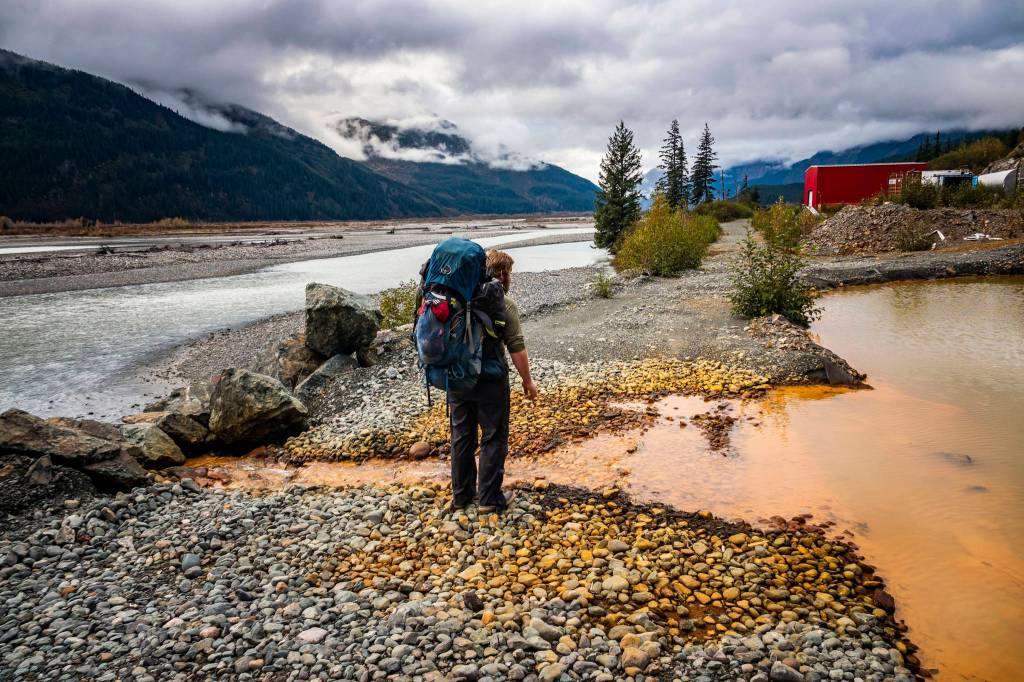
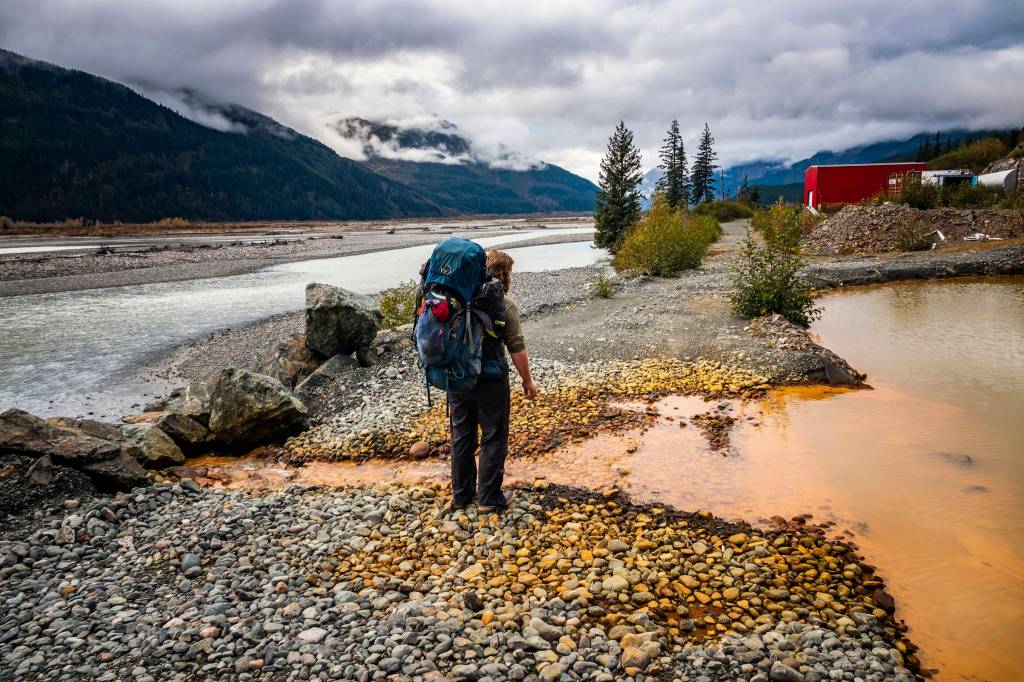
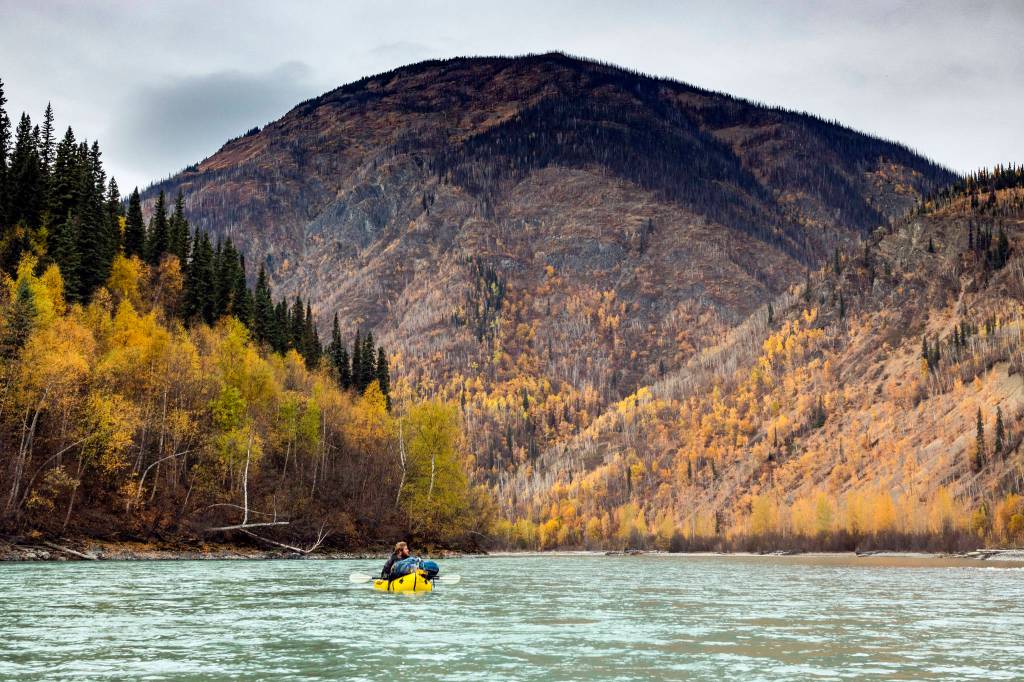
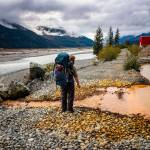
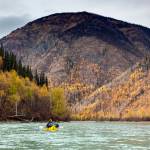
Last fall, as the leaves in the Taku watershed were waning toward their autumnal crescendo of color, I jumped aboard a Ward Air flight to packraft the Inklin, Taku and Tulsequah rivers and paddle back to Juneau.
As my travel partner Bjorn Dihle and I were making our way through the expanse of yellows, reds and umber speckled mountains, we were greeted by moose, mountain goats, black bears and a myriad of bird species eyeing our small boats floating down the river. The pervasive beauty of the Taku watershed was belied by our planned side trip up the Tulsequah River to inspect the continued pollution by the festering remnants of the Tulsequah Chief Mine.
[Opinion: Tulsequah Chief, all over again]
My first trip to the mine site was in June 2010, with the intent of photographing the acid mine drainage polluting the Tulsequah River, the main tributary to the transboundary Taku River.
The mine owner, Redfern Resources, had gone bankrupt in 2009 and abandoned the mine site. This came after the company, for a decade, largely ignored its legal and financial responsibilities to stop the pollution, and neither British Columbia nor the Canadian federal government took the necessary enforcement actions to remediate the site.
In 2012, I spent 10 days documenting the Canadian commercial fishery just above the international boundary. The Canadian fishermen I spent time with were not outwardly opposed to the mine, on principle, so long as their provincial and national governments required the developers to clean up the existing mess.
As a commercial fisherman who cut his teeth at the mouth of the Taku, I echoed their sentiment in our conversations regarding the then newly created Chieftain Metals mining company, formed by the head of the bankrupt Redfern Resources, to remediate the mine site before reopening it. Chieftain installed a water treatment plant, but it only operated for a few months and closed in June 2012, claiming it was too expensive to operate and did not work properly.
As with Redfern, neither B.C. nor the Canadian federal government took any actions to remedy the situation. No action was taken to hold the company or its directors accountable for the ongoing pollution, or its significant violations of provincial and federal laws and permits, when Chieftain went bankrupt and abandoned the mine site in 2016.
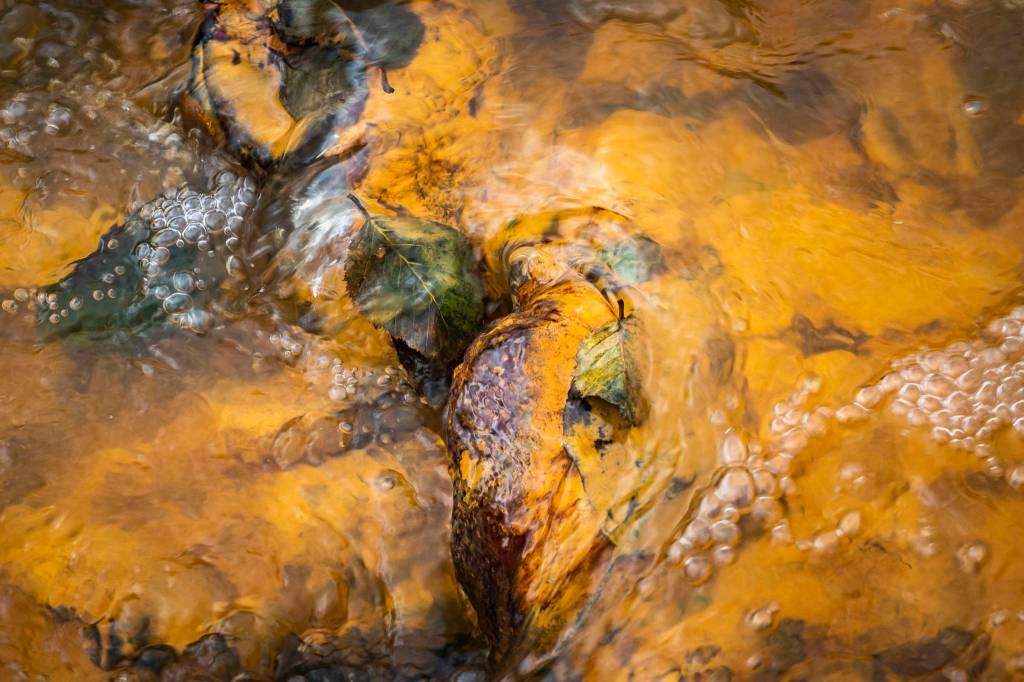
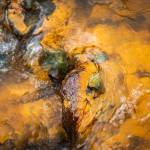
Sadly, the acid mine drainage continues to flow as I witnessed again for the third time in almost a decade last October.
B.C. is now saying some encouraging things about ending Tulsequah Chief’s pollution. B.C. has accepted a joint proposal for mine cleanup from consulting firms SRK Consulting and SNC-Lavalin. This is not at all a done deal, and many things still need to happen to ensure a thorough cleanup.
The Taku has historically been the most productive river in Southeast Alaska, with the region’s largest run of coho and king salmon. Properly managed, it will continue to provide jobs, food, recreation and culture for thousands of people across Southeast. The current decline in king numbers is likely a problem in the ocean, and this makes it even more vital for us to protect freshwater salmon habitat.
[Opinion: As Alaskans consider Pebble Mine, a cautionary tale from Montana]
In April, Alaska fishing groups, businesses, tourism businesses and tribes representing thousands of Alaskans signed a letter to Gov. Mike Dunleavy urging him to seize “the best opportunity in 20 years to obtain real action from British Columbia to clean up and close down” the Tulsequah Chief Mine.
Cleaning up the Tulsequah Chief is an issue with broad support on both sides of the border, throughout Southeast and across the political spectrum. Fishermen, tribes, conservation groups, Alaska legislators, our congressional delegation and the U.S. federal government have over the last several years made significant progress in addressing the Tulsequah Chief issue.
We need Dunleavy to finish the job and ensure B.C. lives up to its promises and responsibilities, so that we can soon see a full and permanent solution to this abandoned and polluting mine.
As I floated down the Tulsequah River last fall, the acid mine drainage mirrored the same colors of the changing leaves. I hope the next time I return to find the only acidic orange colors in the falling leaves.
• Chris Miller is a professional photographer, based in Juneau, who focuses on commercial fisheries, and commercial and editorial assignments. Chris started his fishing career in Taku Inlet and has spent the last 13 summers commercial fishing in Bristol Bay. My Turns and Letters to the Editor represent the view of the author, not the view of the Juneau Empire.