
The COVID-19 pandemic has swiftly swept across the world, with cases and deaths rising rapidly in the United States. Governments are increasingly cracking down to slow the spread of the virus — an effort that has led to a drastic increase in unemployment claims across the country.
Thanks to the recent passage of the CARES Act, some industries that have been negatively impacted by this pandemic will receive immediate aid for their employees and operations; however, we must do more to give employers and the public confidence that jobs will be waiting when we’re allowed back to work.
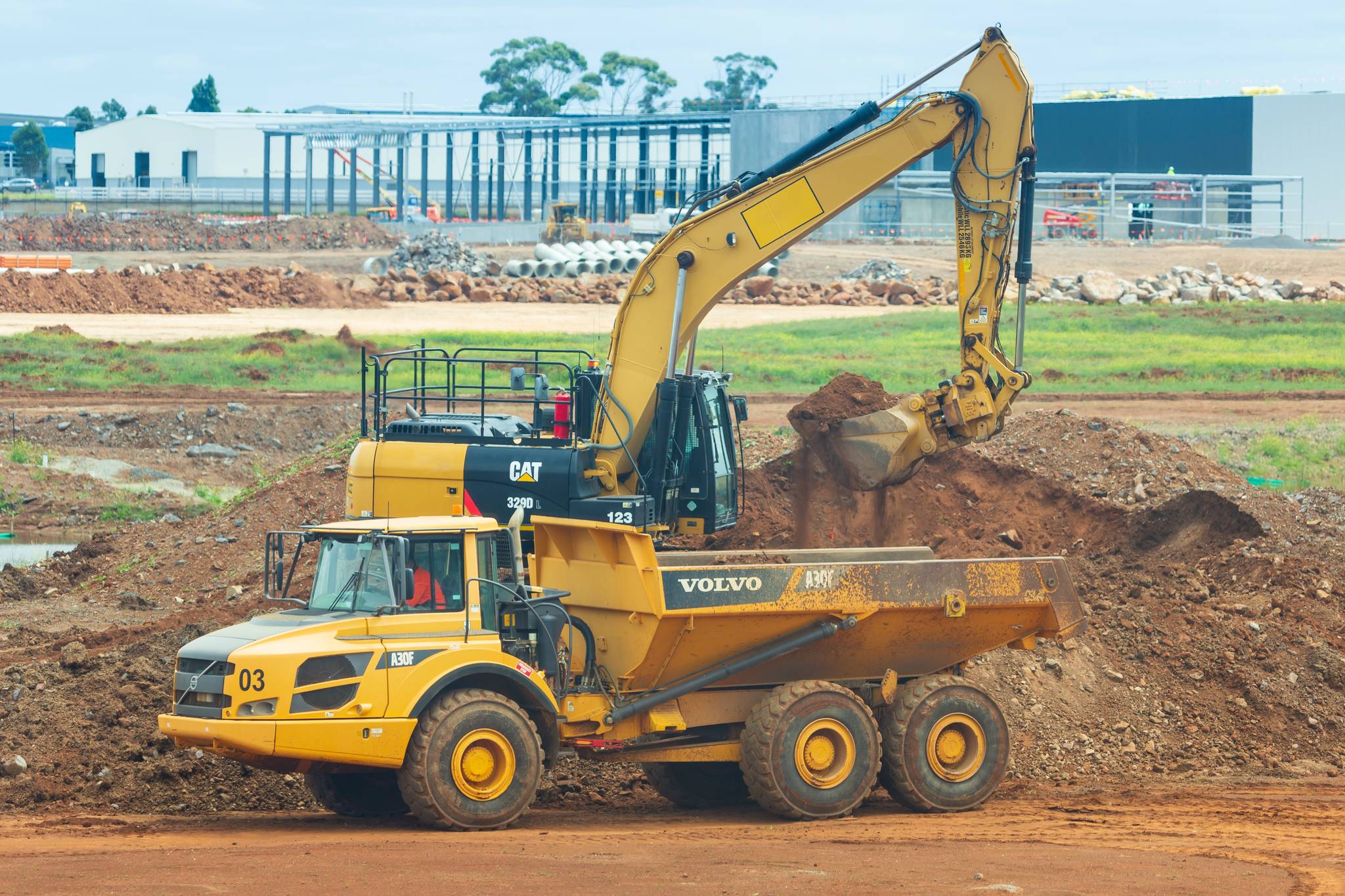
But what sort of government activity could lay the ground work for a strong American comeback? Simple: infrastructure.
There’s been a great need for vast improvements across the country in drinking and wastewater treatment, flood risk management, ports, as well as roads and bridges. Alaska specifically struggles with a lack of water infrastructure in many rural communities, and dependence on an aging ferry fleet and airports. At the same time, we’re positioned to develop our natural resources in Alaska through increased navigation in the arctic and continued development inland.
America’s infrastructure received a D+ in 2017, according to the American Society of Civil Engineers. Alaska’s infrastructure scored only slightly above average, receiving a C-. According to the “Report Card for Alaska’s Infrastructure,” water and wastewater infrastructure requires nearly $1 billion of investment and ports require over $500 million. Poor infrastructure is already costing American families $3,400 annually and will get worse if we don’t invest now.
[Juneau celebrates infrastructure week]
In this “new normal” in which we’re living, we must ensure that basic services are taken care of. Thankfully, water utilities are taking steps to protect the public from not having access to clean and reliable water. But as utilities suspend water shutoffs, they’re expecting billions of dollars of lost revenue. Many utilities may not be able to recoup unpaid bills. Federal assistance is critical to help utilities address this loss of revenue.
Airports are a large economic engine in Alaska—contributing approximately $3.5 billion annually to the state’s economy. Ted Stevens Airport serves approximately 5.4 million passengers annually and is the second largest cargo airport nationally. However, flight restrictions, canceled flights, and orders to limit all nonessential business and travel have caused emptiness in airports such as ANC, generating less-than-normal revenue. With deferred maintenance needs already over $100 million, airports will also be hard-hit without federal aid.
It’s also critical that investment includes ensuring our infrastructure is resilient for extreme events, like the 2018 earthquake. Additionally, large investments will be necessary in water and wastewater treatment, energy resources, dams, ports, roads, airports, and ferries. What better time to focus on making these improvements than now? Not only would bold, swift, and robust infrastructure investment mean good paying jobs for those impacted by COVID-19, but it would also signal to companies that America will be ready to do business once this catastrophe is over.
However, construction projects aren’t prepared overnight. As we discovered in 2008, not all projects are shovel-ready and public agencies need time to plan. What better time to plan than when many current projects are being put on hold?
As families and businesses face unemployment and economic uncertainty in the months ahead, Washington must build on recent legislative efforts and enact a bold recovery plan that will lay the groundwork for recovery when our country emerges from this crisis.
With comprehensive infrastructure investment now, we have an opportunity to create jobs, spur economic stimulus, and meet local needs in Alaska — all while making a down payment on the resiliency of our nation.
• Tor Anderzen, is a civil engineer living in Palmer. He is a past president of the American Society of Civil Engineers Alaska Section and chairman of the Alaska Section Report Card Committee. Andrew Wells is a structural engineer living in Juneau. He is a member of the ASCE Alaska Section Report Card Committee. Columns, My Turns and Letters to the Editor represent the view of the author, not the view of the Juneau Empire.
