Opinion: High-density housing is more efficient for land use, but not very safe during a pandemic
Published 6:32 am Thursday, March 26, 2020
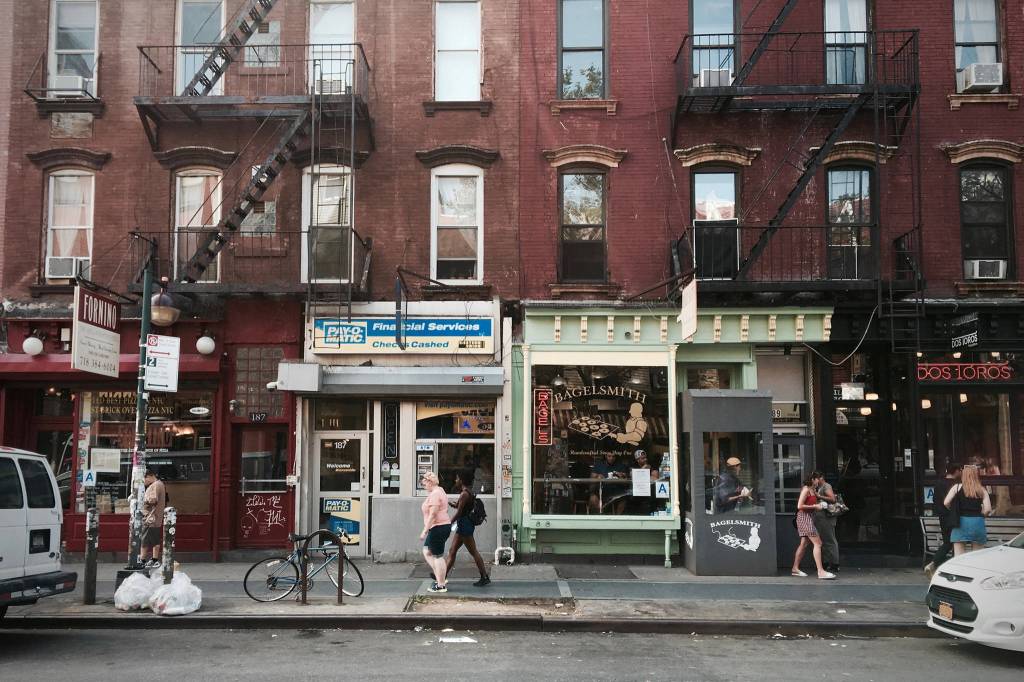
Some members of the Juneau’s Planning Commission and Community Development Department are proponents of increased housing density and urbanization. I’ve heard the phrase, “We want it to be just like Brooklyn” from community planners at re-zoning meetings. I’ve lived in Brooklyn; most of it is Flatbush, not Williamsburg, which most of us can’t afford, anyway. Apartments stacked above boutiques, salons, pubs, or delis seem attractive because increased density results in more efficient land use. Single-family homes seem to be the enemy. I recently heard a planner state that single family homes do not provide enough “density” to justify serving them with city services such as water and sewer lines. It seems that the opposite should be true: Greater density taxes city services, especially sewage. Just ask any public works employee in a boom town.
I’ve been tracking the mushrooming worldwide rate of infection of the coronavirus. Europe, especially Italy, is having trouble containing the virus. Italy’s infection rate is more then double the size of Juneau’s population. Italy’s daily death rate continues to break records. Other European countries are also experiencing rapid infection increases. My son, who lives in coastal France, told me that he and everyone else in France are forced to self-quarantine for the next forty-five days, with the exception grocery shopping and going to the pharmacy.
The urban planner’s dream of the Mediterranean style walkable or bike-able community with first floor retail and offices while happy urbanites live on upper floors is realized in most European communities. When I visit my son in France, I’ve noticed that there are few single-family homes on individual lots. My son lives in an enclave in a rural area. There are fields and pastures all around, yet there are approximately a dozen families living in what we would call town houses or stand-alone homes with no street setbacks and within a meter of the neighbors. Clustered dwellings amid acres of land. The pattern is repeated throughout the Brittany countryside.
I believe that the vision of high-density, walkable urbanized communities helps to spread dangerous viruses. While the coronavirus currently is the center of attention, don’t forget that flu viruses sicken and kill more people, and have done so, even so far during this year. Think about urban living: common entrances to multi floor apartments with stair rails and elevator buttons retaining whatever nasty bugs are currently blooming. Buildings served by HVAC systems designed to efficiently (read cheaply) distribute heat or ventilation (and airborne viruses) throughout the building. Europeans don’t buy food like we do; they shop nearly every day. European refrigerators are about a third of the volume of an American one. Their kitchens are minuscule with very limited food storage. They have to buy food frequently because they can’t store it. Those frequent trips to the store mean more frequent contacts with others and surfaces such as door handles and countertops. They began banning plastic grocery bags before we were “woke” to the threat these evil bags impose. However, bringing bags (and the viruses in your home) to the specialty shops the Europeans prefer is a recipe for epidemic transfer.
Maybe mixed-use, high—density housing is more efficient for land use, but it isn’t very safe during a pandemic or even during a “normal” 30,000 domestic death flu season. Well-separated, single-family homes offer greater safety and less possibility of spreading infections. Maybe single-family homes should be appreciated rather than deprecated.
• Rick Currier has lived at Auke Bay since 1993. He’s been attending meetings of the Planning Commission’s Auke Bay Ad Hoc Rezoning Committee for several years.