Opinion: Filling the leadership void
Published 2:30 am Saturday, December 19, 2020
When Congress finally passes a coronavirus relief bill, it won’t be the leadership of either party who deserve the credit. And the White House most certainly doesn’t either. The bipartisan group of senators who led the way have all put their peoples’ needs ahead of themselves and their respective parties.
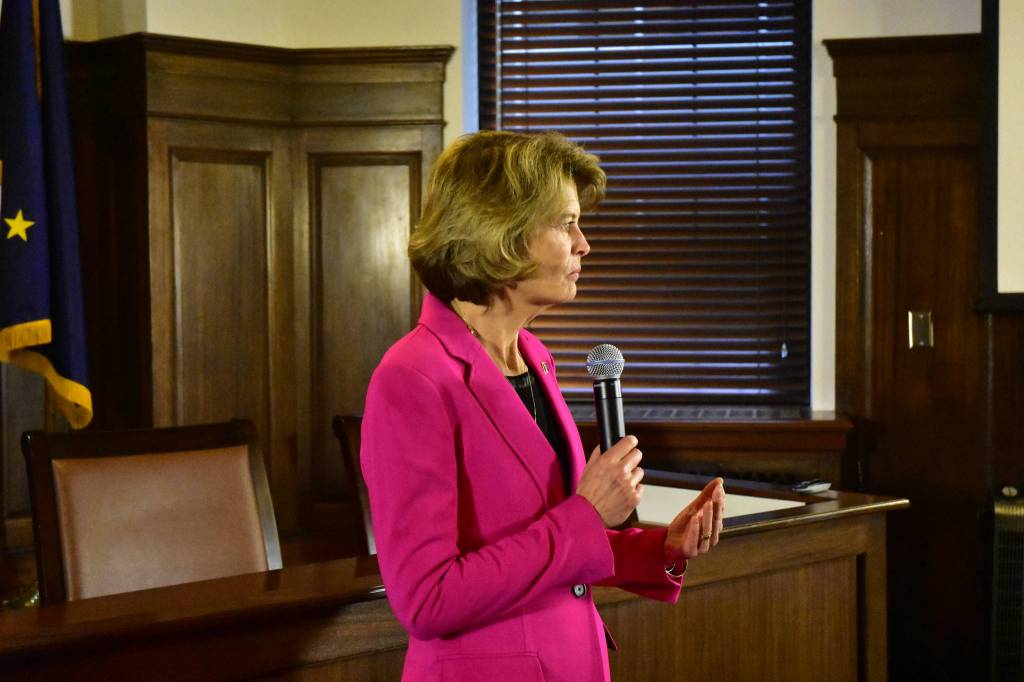
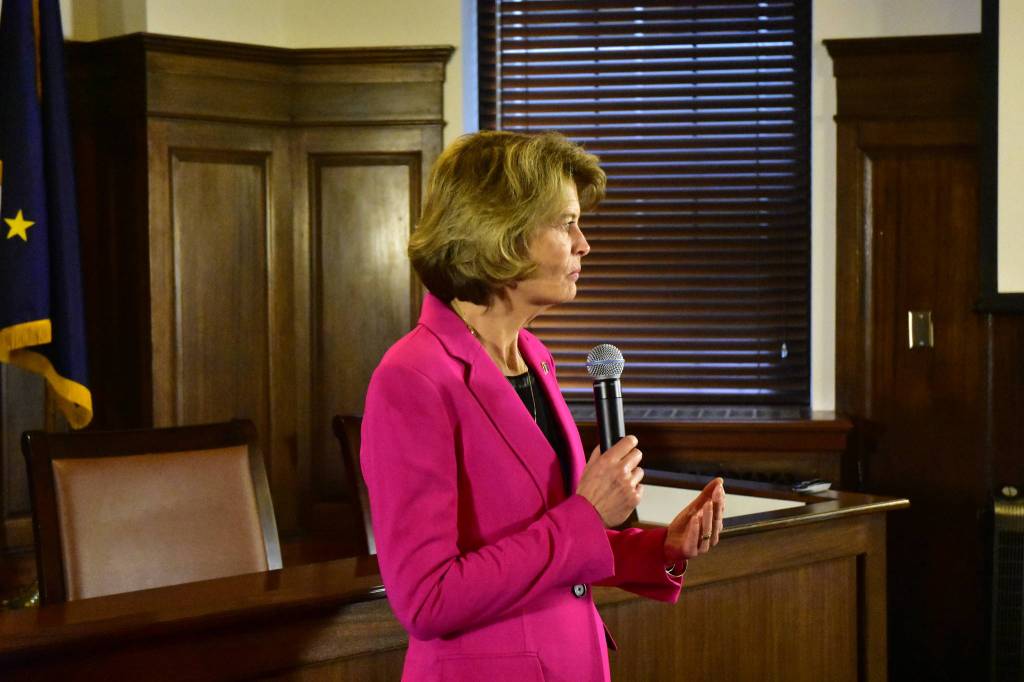
And Alaskans should be proud that Sen. Lisa Murkowski was central to the effort.
Soon after the virus invaded America last March, Congress passed the Coronavirus Aid, Relief, and Economic Security Act. It was the largest spending deal of its kind. But judging from those in attendance when President Donald Trump signed it into law, you would never guess it was passed with overwhelming bipartisan support.
“I want to thank Democrats and Republicans for coming together and putting America first,” Trump said during the brief signing ceremony. Senate Majority Leader Mitch McConnell, R-Kentucky, and House Minority Leader Keven McCarthy, R-California, stood directly behind Trump. But House Speaker Nancy Pelosi, D-California, and Senate Minority Leader Chuck Schumer, D-New York, weren’t even invited.
Schumer did address the bipartisanship from the Senate floor.
“Like all compromises” he said, “this bill is far from perfect, but we believe the legislation has been improved significantly to warrant its quick consideration and passage, and because many Democrats and Republicans were willing to do the serious and hard work, the bill is much better off than where it started.”
Urgency was a prime motivator for the two parties to work together. More than a stimulus or relief bill, it acted like a torniquet to stem the bleeding of an economy with a gaping wound.
But that the bill was without serious partisan objections also made work easier. Common sense prevailed, not the usual politics.
As the pandemic wore on, that was no longer the case. In May, House Democrats passed what they called the Heroes Act. McConnell refused to bring it up for consideration in the Senate. Trump was right when he said the bill was “dead on arrival” and that Pelosi should have known that “even before the House passed it.” Because only one House Republican supported it.
Pelosi wasn’t the only one responsible for the stalemate. The White House thought the crisis had passed. In the middle of June, Vice President infamously declared in the Wall Street Journal that panic above a second was “is overblown” The same day Trump declared the number of people infected with the virus “are very minuscule compared to what it was. It’s dying out.”
And result of the power struggle between the so-called leaders wasn’t about the American people anymore. It was jockeying to dominate the political narrative for the purpose of the general election. That’s why the legislation remained stalled as cases surged through September and October.
Since the election, Trump has been obsessed with conspiracy laden accusations about fraud. And instead of leading their respective caucuses, McConnell and McCarthy either passively or actively enabled Trump’s poor loser tantrum.
Along with Sen. Mitt Romney, R-Utah; Susan Collins, R-Maine; and Bill Cassidy, R-Louisiana; Murkowski stepped into the leadership void. They and “four Democrats — convened for a socially distanced dinner” she hosted.
Romney and Sen. Joe Machin, D-West Virigina, explained in the Washington Post: “What followed became a marathon: four weeks of hours-long Zoom calls, often multiple times a day, with the goal of crafting an emergency relief bill.”
The bipartisan compromise they produced may not be the bill that Congress passes. But after a bitter election tainted by screaming that the presidency was stolen, bringing the rank and file from both sides into serious negotiations is a monumental accomplishment.
“In addition,” Romney and Machin wrote, “these talks revealed an important truth: that, contrary to conventional wisdom, it is possible to find areas of common interest and to compromise in good faith without violating our principles.”
Seven members of this group of eight have never aspired to positions of national leadership. Romney, of course, lost the presidential election in 2012. He accepted defeat, got back on the horse and was elected to the Senate in 2018. They’ve all shown what it means to be a humble servant of the American people.
“This is hope” Murkowski said “for those who have been asking their congress to be responsive of what they have seen in the face of this pandemic.”
She’s also given us hope that Americans of differing opinions can come together to solve the other pressing problems the country faces.
• Rich Moniak is a Juneau resident and retired civil engineer with more than 25 years of experience working in the public sector. Columns, My Turns and Letters to the Editor represent the view of the author, not the view of the Juneau Empire. Have something to say? Here’s how to submit a letter to the editor or My Turn.